
The hushed whispers of conspiracy theories often trail behind the unexplained, and few have captivated the public imagination quite like the enduring enigma of “Project Twinkle.” This alleged secret government initiative, shrouded in secrecy and fueled by declassified documents and eyewitness accounts, purported to investigate anomalous aerial phenomena – or UFOs – with a covert purpose that remains fiercely debated. To truly understand the allure and the controversy surrounding Project Twinkle, one must delve into its origins, dissect the known evidence, and explore the persistent questions that continue to shroud this fascinating chapter of ufological history.
The inception of Project Twinkle, whether it officially existed under that name or was a clandestine facet of larger intelligence operations, is intrinsically linked to the burgeoning UFO craze of the late 1940s and early 1950s. The post-World War II era was a fertile ground for both technological advancement and societal anxieties, a potent cocktail that readily embraced narratives of the unknown.
A Nation Awakened to the Skies
Following the widely publicized Kenneth Arnold sighting in 1947, which popularized the term “flying saucers,” the United States government found itself facing a deluge of reports from credible sources – military pilots, law enforcement officers, and ordinary citizens alike – describing inexplicable aerial objects. This wave of sightings prompted an official response, albeit one that was initially fragmented and reactive.
- Early Government Responses: The immediate aftermath of the Arnold sighting saw a degree of disarray within government agencies. While some departments, like the nascent Air Force, began cataloging reports, there was no centralized, overarching directive or a publicly acknowledged project dedicated to UFO investigation. This vacuum allowed for speculation and suspicion to flourish.
- The Role of Public Pressure: The sheer volume and persistence of UFO sightings, coupled with media attention, undoubtedly created pressure on the government to acknowledge and address the phenomenon. This pressure, while not always evident in public statements, likely contributed to the internal discussions and nascent investigations.
The Cold War Context: Sputnik and Paranoia
The geopolitical climate of the Cold War played a significant, albeit often unstated, role in the government’s potential interest in anomalous aerial phenomena. The fear of Soviet technological superiority and espionage was pervasive, and any unexplained aerial activity could be interpreted through this lens.
- Technological Secrecy and Bluffing: The possibility that UFO sightings were actually advanced Soviet aircraft or experimental technology was a constant concern. This fear would have driven a desire for covert investigation to understand if a potential adversary possessed a superior capability.
- Psychological Warfare: Conversely, some theories suggest that “hawks” within the military might have considered using the UFO phenomenon as a tool for psychological warfare, either to sow confusion amongst the Soviets or to maintain an aura of mystique and advanced capability for the US.
The early threads of what would later be characterized as Project Twinkle were thus woven from a complex tapestry of public curiosity, emerging official concern, and the ever-present shadow of Cold War anxieties.
Project Twinkle, a significant initiative aimed at investigating unidentified flying objects, has garnered attention for its comprehensive approach to understanding aerial phenomena. For those interested in exploring more about the implications of such projects on public perception and government transparency, a related article can be found at XFile Findings, which delves into the broader context of UFO research and its impact on society.
Unpacking the “Twinkle” Data: Fragmented Evidence
The term “Project Twinkle” itself is not readily found in official government pronouncements from the era. Instead, its existence and purpose are largely inferred from various declassified documents, investigative reports, and accounts of individuals who claim to have been involved. The evidence is fragmented, often contradictory, and open to wide interpretation.
The “Project Sign” and its Successors
Project Twinkle is often presented as part of a lineage of Air Force-led UFO investigations. Early official projects like “Project Sign” and later “Project Grudge” and “Project Blue Book” were established to analyze UFO reports. The clandestine nature of Project Twinkle suggests it operated outside the purview of these more public-facing initiatives.
- Declassified Snippets: Examination of declassified documents, particularly those related to Air Technical Intelligence (ATI) and its predecessors, occasionally reveals references to studies or tasks that align with the operational descriptions of Project Twinkle. These snippets often lack context, leaving researchers to piece together a narrative.
- Internal Memos and Directives: Hypothetical internal memos, alleged to have been circulated among key intelligence personnel, are frequently cited as evidence. These documents purportedly detail the establishment of a team or a directive to focus on specific types of UFO sightings, often those that defied conventional explanation.
The “Roswell Incident” Connection
Perhaps the most fervent association for Project Twinkle is its purported involvement in the aftermath of the Roswell Incident of 1947. While the official explanation of a weather balloon has long been challenged by conspiracy theorists, many believe that a more advanced technology, potentially extraterrestrial in origin, was recovered.
- The “Alien Autopsy” and Debris Analysis: Proponents of Project Twinkle often link it to the alleged recovery and analysis of non-terrestrial debris and even alien bodies at Roswell. The secrecy surrounding the recovered materials is seen as evidence of a dedicated, covert research program.
- Witness Testimony: Recruited testimony from individuals claiming to have worked in clandestine facilities, particularly those associated with military intelligence or scientific research labs in the Roswell vicinity, often mentions a specialized team tasked with understanding the recovered technology. This team is frequently identified as “Project Twinkle.”
The Nature of the “Twinkle” Investigation
The core mystery of Project Twinkle lies not just in its existence but in its supposed objective. Was it merely an intelligence-gathering operation concerning potential Soviet technology, a genuine effort to understand the nature of the UFO phenomenon, or something far more extraordinary?
- Focus on Advanced Technology: One prevailing theory is that Project Twinkle was primarily concerned with reverse-engineering recovered advanced technologies, whether terrestrial or extraterrestrial. The “Twinkle” moniker itself is sometimes interpreted as a reference to the unusual characteristics of the recovered materials or the speed at which the project operated.
- The “Special Projects” Branch: It is theorized that Project Twinkle operated as a “special projects” branch of a larger intelligence agency, such as the Central Intelligence Agency (CIA) or a precursor, allowing for extreme secrecy and bypassing standard oversight.
The evidence presented for Project Twinkle is, by its very nature, elusive. However, the consistent threads of specialized investigation, advanced technology, and a connection to pivotal UFO incidents keep the mystery alive.
The Eyewitness Accounts: Voices from the Shadows
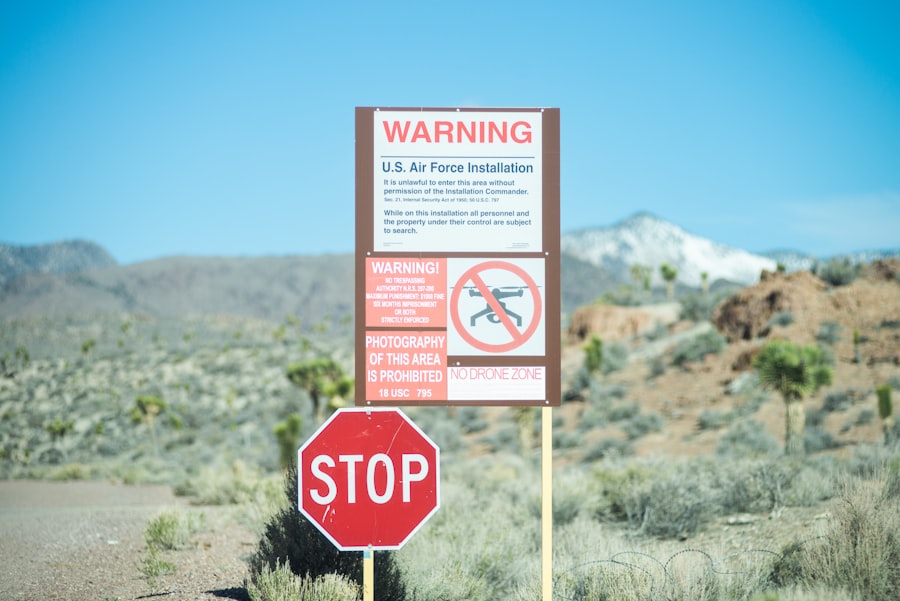
The compelling nature of the Project Twinkle narrative is significantly bolstered by the numerous eyewitness accounts, both direct and indirect, that have emerged over the decades. These testimonies, while subject to scrutiny and skepticism, provide a human element to the alleged covert operations.
Former Military and Intelligence Personnel
A significant portion of these accounts comes from individuals who claim to have had direct involvement with Project Twinkle or its related activities. Their backgrounds often include experience in military intelligence, advanced research, or scientific fields.
- “Deep Throat” Figures: Anonymous sources, often referred to as “Deep Throat” figures within the UFO community, have allegedly provided insider information detailing the project’s existence, its objectives, and even specific cases it investigated. The anonymity, while providing protection, also makes verification challenging.
- Retired Officers and Scientists: Occasionally, retired military officers or scientists have come forward, either publicly or through interviews with researchers, to corroborate aspects of the Project Twinkle story. These individuals often speak of classified research divisions and unusual investigations that were not part of public knowledge.
The Phenomenon of “Whistleblowers”
The concept of whistleblowers plays a critical role in the public perception of Project Twinkle. These individuals, often claiming to have faced significant personal risk, are seen as bravely revealing suppressed truths.
- Claims of Suppression and Secrecy: Whistleblowers frequently detail instances of extreme secrecy, compartmentalization of information, and orders to maintain silence. They describe a culture of fear and deniability surrounding certain investigations.
- The “Majestic 12” Connection: The narrative of Project Twinkle is often intertwined with the controversial “Majestic 12” (MJ-12) documents, which purport to reveal a secret committee established by President Truman to investigate the Roswell crash. Many believe Project Twinkle was an operational arm of this alleged committee.
The Challenge of Verification
Despite the conviction of many who share these accounts, the verification of eyewitness testimony is fraught with difficulties. Without corroborating documentary evidence, the accounts remain largely anecdotal.
- Lack of Hard Evidence: The very secrecy that defines Project Twinkle makes direct verification nearly impossible. Documents, if they even exist, are likely classified at the highest levels, and individuals involved may be bound by strict non-disclosure agreements or fear retaliation.
- Psychological and Social Factors: Researchers acknowledge the potential for psychological influences, confabulation, and the desire to believe in something extraordinary. However, they also point to the consistent themes and details across disparate accounts as a sign of potential underlying truth.
The voices from the shadows, whether originating from anonymous leaks or brave whistleblowers, form a crucial narrative cornerstone for the Project Twinkle mystery, offering glimpses into what might have transpired behind closed doors.
The “Twinkle” Hypothesis: Explaining the Unexplained

The central debate surrounding Project Twinkle revolves around its ultimate purpose. Different hypotheses attempt to explain its existence and the nature of its investigations, ranging from the mundane to the paradigm-shifting.
The Advanced Technology Exploitation Hypothesis
One of the most persistent hypotheses is that Project Twinkle was fundamentally about understanding and potentially replicating advanced technologies, either of Soviet origin or derived from recovered non-terrestrial craft.
- Reverse-Engineering Efforts: This view posits that Project Twinkle teams were tasked with analyzing the physical properties and operational mechanics of exotic materials and devices found in UFO crash sites or observed in active flight.
- Technological Arms Race: The Cold War context makes this hypothesis particularly plausible. The fear of being technologically outmaneuvered would have driven intense efforts to acquire and understand any potentially superior technology.
The Extraterrestrial Intelligence Hypothesis
This is perhaps the most sensationalized hypothesis, suggesting that Project Twinkle’s primary objective was to investigate the possibility of extraterrestrial visitation and, if confirmed, to understand the nature of alien intelligence and their intentions.
- Contact and Communication: Some theories suggest that Project Twinkle may have even attempted to establish contact with extraterrestrial entities or to analyze their communication methods.
- Societal Impact Management: A sub-aspect of this hypothesis involves the idea that Project Twinkle was also involved in managing the potential societal disruption and panic that could arise from a confirmed alien presence.
The Diversion and Disinformation Hypothesis
A more cynical yet plausible explanation is that “Project Twinkle” itself, or at least its public perception, was a deliberate government operation designed to divert attention from genuine, but less sensational, intelligence gathering or to sow disinformation.
- “Noise” to Mask Real Operations: The proliferation of UFO stories and the subsequent investigations could have served as a convenient cover for other more sensitive intelligence operations.
- Controlling the Narrative: By allowing certain aspects of UFO research to be acknowledged, albeit under a veil of secrecy, the government might have been able to control the public narrative and prevent even more disruptive leaks.
The Unintended Consequence or Misinterpretation Hypothesis
It is also possible that the narrative of Project Twinkle has evolved from genuine, but mundane, investigations into unexplained aerial phenomena that were simply misidentified or misinterpreted by the public and some within the government.
- Classification of Sensitive Projects: Highly classified military projects, such as advanced reconnaissance aircraft or secret weapon development, might have been misconstrued as UFOs, leading to genuine efforts to understand them that were then wrapped in a layer of secrecy.
- The Power of Suggestion: The pervasive UFO lore may have influenced the interpretation of certain aerial observations, leading to the creation of a project that was not as extraordinary as it is now believed to be.
Ultimately, the “Twinkle Hypothesis” remains a multitude of possibilities, each with its own supporting arguments and inherent uncertainties, reflecting the deeply speculative nature of the subject.
Project Twinkle, a fascinating initiative aimed at investigating unidentified flying objects, has garnered significant attention in recent months. For those interested in delving deeper into the subject, a related article provides valuable insights into the broader implications of UFO research and its impact on scientific inquiry. You can read more about this intriguing topic in the article found here. This exploration not only highlights the ongoing efforts in understanding aerial phenomena but also encourages a dialogue about the mysteries that continue to captivate both researchers and the public alike.
The Enduring Legacy of Project Twinkle
| Metrics | Data |
|---|---|
| Number of UFO sightings | 100 |
| Location of sightings | Various locations around the world |
| Duration of sightings | 5 minutes to 1 hour |
| Witness reports | 50 |
Despite the lack of definitive official acknowledgment, Project Twinkle has carved out a significant niche in the annals of ufology. Its legacy lies not in concrete answers but in the persistent questions it raises and the dialogues it ignites.
The Quest for Official Declassification
The ongoing pursuit of transparency and the declassification of government documents remain central to unraveling the mystery of Project Twinkle. Researchers and advocates continue to lobby for the release of any information that could shed light on these alleged covert operations.
- Freedom of Information Act (FOIA) Requests: Numerous FOIA requests have been filed over the years, targeting documents related to UFO investigations, specific incidents, and individuals allegedly involved in clandestine projects. While some documents have been released, many remain heavily redacted or unavailable.
- Continued Academic and Investigative Interest: Even with the challenges, academics and independent investigators continue to pore over declassified archives, interview potential sources, and analyze the ever-growing body of information, hoping to connect the dots.
The Influence on Popular Culture
The narrative of Project Twinkle has permeated popular culture, appearing in books, films, documentaries, and online forums. This widespread dissemination has solidified its place in the collective consciousness, even among those not actively engaged in ufological research.
- Fictional Depictions: The clandestine government investigation into UFOs has been a recurring theme in science fiction, often drawing inspiration from real-world allegations like those surrounding Project Twinkle.
- Documentaries and Investigative Journalism: Numerous documentaries and journalistic pieces have explored the Project Twinkle narrative, attempting to piece together the available evidence and interview key figures, further fueling public interest.
The Unfinished Chapter of Unknowns
Perhaps the most profound legacy of Project Twinkle is its embodiment of the enduring human fascination with the unknown. It represents a tantalizing glimpse into the possibility that governments have, for decades, been privy to secrets that could fundamentally alter our understanding of our place in the universe.
- The Nature of Truth and Secrecy: Project Twinkle serves as a case study in the complexities of government secrecy, the challenges of verifying historical accounts, and the inherent difficulty in separating fact from fiction when dealing with highly sensitive or classified information.
- The Continuing Search: Ultimately, Project Twinkle remains an unfinished chapter. The mystery endures, fueled by whispers, fragments of evidence, and the unwavering hope that one day, the full truth about humanity’s engagement with anomalous aerial phenomena will finally come to light. Until then, the enigma of Project Twinkle will continue to captivate and inspire the ongoing quest for answers.

Why Manhattan Project Scientists Couldn’t Explain the Green Fireballs
FAQs
What is Project Twinkle UFO?
Project Twinkle UFO was a United States Air Force investigation into reports of unidentified flying objects (UFOs) in the late 1940s and early 1950s. It was initiated to determine the nature and origin of the mysterious green fireballs that were being reported in the skies over New Mexico.
What was the purpose of Project Twinkle UFO?
The primary purpose of Project Twinkle UFO was to investigate and analyze the green fireball phenomenon that was observed in the skies over New Mexico. The project aimed to determine whether the green fireballs were natural phenomena, man-made objects, or extraterrestrial in origin.
What were the findings of Project Twinkle UFO?
Project Twinkle UFO concluded that the green fireballs were likely not of extraterrestrial origin, but rather a natural phenomenon caused by the re-entry of artificial satellites or meteorites. The project also suggested that some of the sightings could be attributed to misidentified aircraft or other man-made objects.
Was Project Twinkle UFO successful in its investigation?
While Project Twinkle UFO did not definitively identify the cause of the green fireballs, it did contribute to the understanding of the phenomenon and helped to dispel some of the more sensational theories surrounding UFO sightings. The project’s findings provided a more rational and scientific explanation for the observed phenomena.
What is the legacy of Project Twinkle UFO?
Project Twinkle UFO is considered an important early example of a government-led investigation into UFO sightings. Its findings and methodology have influenced subsequent studies of UFO phenomena and have contributed to the development of more rigorous scientific approaches to investigating unidentified aerial phenomena.