For decades, whispers and fragmented reports hinted at a shadowy network of colossal radar installations hidden deep within the Soviet Union. These were not the familiar, dish-shaped antennas of Western radar systems, but immense, metal structures that dwarfed their surroundings, their purpose a subject of intense speculation and Cold War anxiety. Uncovering the Soviet secret radar system, an endeavor that spanned years of meticulous intelligence gathering, daring reconnaissance, and complex analysis, has revealed a story of ambition, technological prowess, and strategic thinking that profoundly shaped the geopolitical landscape.
The first inklings of a clandestine Soviet radar operation emerged in the late 1970s. Initially, these were dismissed by many Western intelligence agencies as unsubstantiated rumors or isolated incidents. However, a consistent pattern began to emerge from disparate sources: reports of unusual radio interference, peculiar signal patterns detected by amateur radio operators, and even anecdotal accounts from military personnel.
The Mysterious Radio Interference
Numerous international broadcasters, particularly those operating in the shortwave spectrum, began to experience severe and persistent interference. This interference was not random static but a rhythmic, pulsating signal that often drowned out their transmissions. It was described as a percussive, almost woodpecker-like sound, a moniker that would eventually stick. This phenomenon, initially attributed to various atmospheric or technical causes, began to attract the attention of signals intelligence agencies.
Amateur Radio Operators as Unwitting Witnesses
The global community of amateur radio operators, with their sensitive equipment and keen ears, often picked up signals that eluded sophisticated military monitoring. Many of these enthusiasts reported detecting a powerful, low-frequency signal emanating from Soviet territory. While they could identify its presence and general direction, the sheer power and peculiar characteristics of the signal defied easy explanation. Their detailed logs and observations, once painstakingly collected and cross-referenced, provided crucial early clues.
Early Intelligence Assessments and Skepticism
Initial intelligence assessments were cautious. The immense scale and unique nature of the reported signals suggested something beyond conventional radar. Some analysts theorized about advanced early-warning systems, while others speculated about more esoteric applications. However, the lack of definitive visual evidence and the sheer audacity of such a large-scale, covert operation led to a degree of skepticism within some circles. The Soviet Union was known for its secrecy, but the scale of the alleged project seemed almost unbelievable.
The development of the Soviet secret radar system has long been a topic of intrigue and speculation, shedding light on the technological advancements during the Cold War era. For those interested in exploring this subject further, a related article can be found at XFile Findings, which delves into the intricacies of Soviet military technology and its implications on global security.
The “Duga” Radar: A Monumental Undertaking
As intelligence capabilities improved and more sophisticated monitoring techniques were employed, the true nature and scale of the Soviet secret radar system began to crystallize. The most prominent and enigmatic of these installations was codenamed “Duga,” a colossal over-the-horizon (OTH) radar system designed to detect ballistic missile launches and aircraft far beyond the horizon.
Over-the-Horizon Radar: A Strategic Imperative
The fundamental challenge for any nation’s defense system is early warning. Traditional radar, limited by the curvature of the Earth, has a finite detection range. The Soviet Union, facing a potential threat from North America, sought a way to overcome this limitation. Over-the-horizon radar technology offered a solution by bouncing signals off the ionosphere, allowing them to travel vast distances and detect targets that would otherwise remain hidden.
The Enormous Scale of Duga-1 and Duga-2
The Duga systems were not merely large; they were gargantuan. The Duga-1 installation, located near Gomel in Belarus, was over 700 meters long and 150 meters high, a towering edifice of steel latticework that dwarfed anything seen before. A second, even larger installation, Duga-2, was constructed near Komsomolsk-on-Amur in the Russian Far East. These were not just radar antennas; they were complex, multi-component systems requiring immense power generation and sophisticated signal processing capabilities.
The “Woodpecker” Signal Explained: The Heart of the System
The rhythmic, percussive “woodpecker” signal was, in fact, the characteristic pulse of the Duga radar. The system operated by transmitting a powerful, pulsed radio signal that would propagate upwards, reflect off the ionosphere, and then return to Earth beyond the horizon. The reflected signal, carrying information about distant objects, would then be received by another set of antennas. The rapid repetition of these pulses, coupled with the unique frequency hopping employed to counter jamming, created the distinctive sound.
The Unveiling Through Reconnaissance and Intelligence Gathering

The full picture of the Duga radar and its associated systems was pieced together through a combination of meticulous signals intelligence, aerial reconnaissance, and human intelligence. Western agencies invested heavily in understanding this formidable Soviet capability.
Signals Intelligence: Decoding the “Woodpecker”
Signals intelligence (SIGINT) played a pivotal role. By analyzing the frequency, pulse repetition rate, bandwidth, and modulation of the “woodpecker” signal, analysts were able to deduce its operational characteristics and its intended purpose. The sheer power required to generate such a signal also pointed towards a dedicated, high-capacity power infrastructure. Cross-referencing these intercepted signals with known Soviet radar technologies and strategic objectives helped paint a clearer picture.
Aerial Reconnaissance: Visual Confirmation from Above
Despite the secrecy, the sheer size of the Duga installations made them difficult to conceal entirely. High-altitude reconnaissance aircraft, such as the U-2 and later the SR-71 Blackbird, provided crucial visual confirmation. These aircraft, equipped with powerful cameras and sophisticated sensors, were able to capture detailed images of the massive structures, revealing their layout, dimensions, and even the supporting infrastructure.
Satellite Imagery: A Persistent Eye in the Sky
The advent of advanced satellite imagery provided an even more persistent and comprehensive view. Satellites orbiting the Earth could repeatedly image the sites, tracking construction progress, identifying ancillary facilities, and providing an undeniable visual record of the Soviet Union’s ambitious radar projects. The ability to observe these sites over extended periods proved invaluable in understanding their operational capabilities and limitations.
Human Intelligence: Filling the Gaps
While technological means were paramount, human intelligence (HUMINT) also contributed to the understanding of the Soviet secret radar system. Defectors, disgruntled engineers, or individuals with access to classified information could provide insights into the operational philosophy, technological specifics, and even the political motivations behind these projects. Though often fragmented, these pieces of intelligence helped to corroborate findings from other sources.
The Purpose and Strategic Implications of the “Woodpecker”
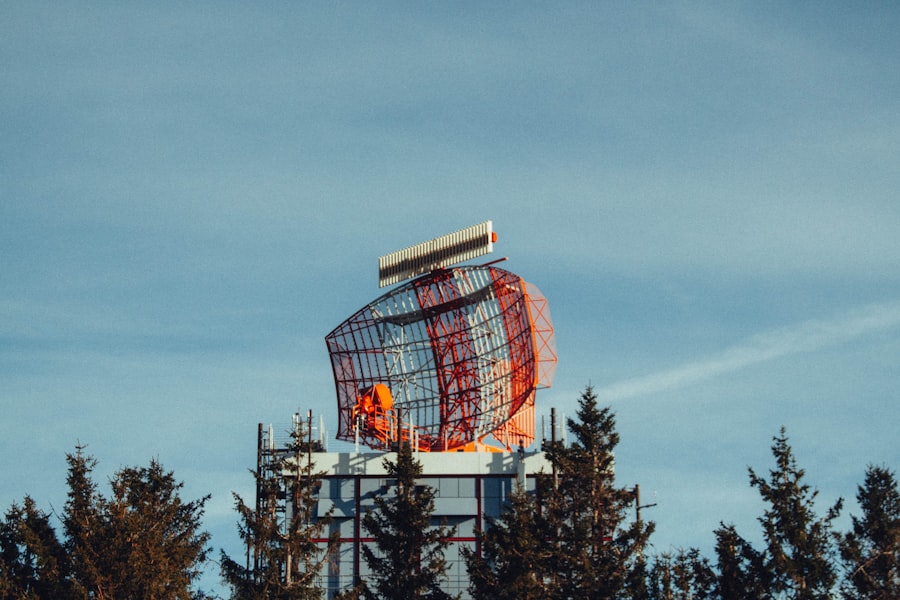
The Duga radar was not merely a technological marvel; it was a cornerstone of Soviet strategic defense. Its existence and capabilities had profound implications for the balance of power during the Cold War.
Strategic Early Warning: A Shield Against Surprise
The primary objective of the Duga radar was to provide an unparalleled level of strategic early warning. By detecting missile launches and bomber formations far beyond the horizon, it aimed to give the Soviet Union precious minutes, or even hours, of additional reaction time in the event of a nuclear attack. This extended warning capability was seen as a crucial element in maintaining a credible nuclear deterrent.
Counter-Measures and Electronic Warfare
The Duga radar was also designed with electronic warfare in mind. Its frequency hopping capabilities were intended to make it resistant to jamming attempts by enemy forces. Conversely, its powerful transmissions could also be used for offensive electronic warfare purposes, potentially disrupting enemy communications and radar systems. This dual-use capability underscored its strategic importance.
The “Blind Spot” and its Perception
Despite its immense power, the Duga radar was not without its limitations. The ionosphere, which it relied upon for signal propagation, is a dynamic and unpredictable medium. This meant that the radar’s performance could be affected by solar activity and other atmospheric conditions, leading to periods of reduced effectiveness. Western intelligence agencies were keen to identify these “blind spots” to exploit potential vulnerabilities.
The development of the Soviet secret radar system has long fascinated historians and technology enthusiasts alike, shedding light on the Cold War’s intricate espionage tactics. For those interested in exploring this topic further, a related article provides an in-depth analysis of the technological advancements and strategic implications of these radar systems. You can read more about it in this insightful piece on Soviet radar technology. Understanding these innovations not only reveals the complexities of military strategy during that era but also highlights the ongoing influence of such technologies in modern defense systems.
The Decline and Legacy of the “Woodpecker”
| Metrics | Data |
|---|---|
| Range | Up to 3,000 kilometers |
| Frequency | UHF and VHF bands |
| Accuracy | High precision for tracking ballistic missiles |
| Deployment | Strategic locations across the Soviet Union |
| Secrecy | Highly classified and concealed from Western intelligence |
The era of the Duga radar was ultimately finite. While a testament to Soviet engineering, its operational challenges, combined with evolving strategic doctrines and technological advancements, led to its eventual decommissioning.
Operational Challenges and Inefficiencies
The immense power requirements of the Duga radar were a significant operational burden. Maintaining and powering these colossal installations was extremely costly and resource-intensive. Furthermore, the inherent limitations of OTH radar, particularly its susceptibility to ionospheric conditions and its relatively low resolution, meant that it was not always the most reliable or precise detection system.
The Cost of Secrecy and Obsolescence
The Soviet Union poured vast resources into constructing and maintaining these secret radar systems. The sheer scale and visibility of the installations, despite attempts at camouflage, also made them potential targets. As technology advanced, newer and more effective methods of surveillance and detection emerged, rendering the Duga systems increasingly obsolete.
Environmental Concerns and Decommissioning
The sheer size and industrial nature of the Duga radar installations also raised environmental concerns. The electromagnetic radiation emitted by the systems was a subject of study, and their eventual decommissioning involved complex environmental remediation processes. Today, the skeletal remains of some of these colossal structures stand as silent monuments to a bygone era of Cold War technological competition.
The Enduring Mystery and Historical Significance
The uncovering of the Soviet secret radar system, particularly the Duga “Woodpecker,” is a compelling chapter in Cold War history. It highlights the ingenuity and ambition of military engineers, the constant cat-and-mouse game of intelligence gathering, and the profound impact of technological advancements on international relations. The “Woodpecker” remains a potent symbol of Soviet military might and a reminder of the immense resources and effort dedicated to maintaining strategic advantage in a world teetering on the brink. The legacy of these hidden giants continues to fascinate, reminding us that even in the most opaque of regimes, the pursuit of knowledge and understanding can, eventually, pierce the veil of secrecy.

The Soviet Signal That Hijacked Radios Around the World
FAQs
What was the Soviet secret radar system?
The Soviet secret radar system, also known as the “Russian Woodpecker,” was a massive over-the-horizon radar system designed and operated by the Soviet Union during the Cold War. It was used to detect and track ballistic missile launches from the United States.
Where was the Soviet secret radar system located?
The main transmitter for the Soviet secret radar system was located near Chernobyl, Ukraine, with additional transmitters located in Minsk, Belarus, and Gomel, Belarus. The system covered a vast area, extending across the Soviet Union and into Europe.
How did the Soviet secret radar system work?
The Soviet secret radar system emitted a series of short, powerful radio pulses in the high-frequency range. These pulses would bounce off the ionosphere and could then be used to detect and track objects, such as ballistic missiles, over long distances.
What impact did the Soviet secret radar system have?
The Soviet secret radar system had a significant impact on global communications and radio transmissions. Its powerful and continuous signals caused interference with legitimate radio broadcasts, leading to widespread complaints from amateur radio operators and other users of the radio spectrum.
When was the Soviet secret radar system decommissioned?
The Soviet secret radar system was officially decommissioned in 1989, following the end of the Cold War. The dismantling of the system was a result of improved satellite technology and the signing of arms control agreements between the United States and the Soviet Union.