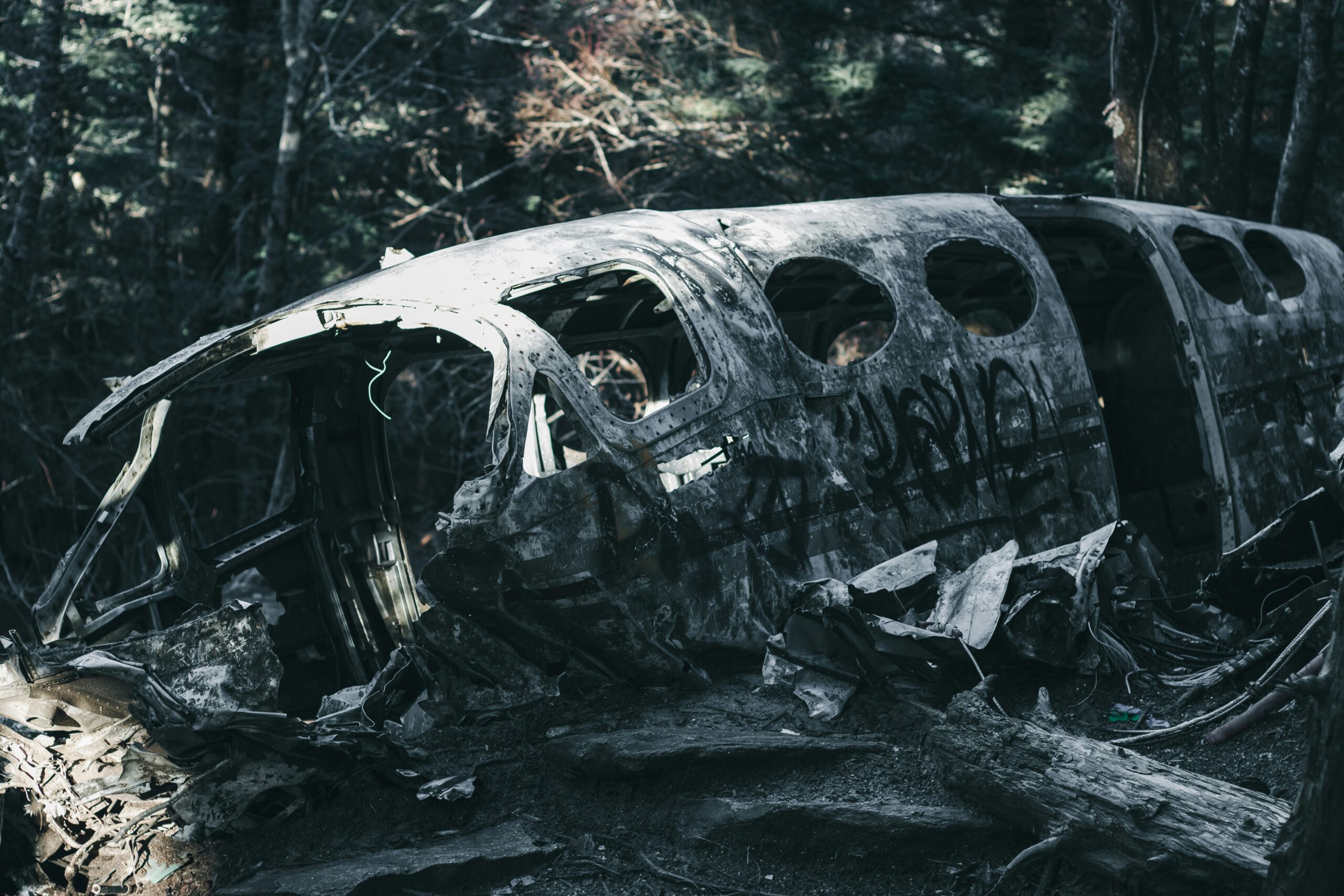
The world of unexplained phenomena has long been a fertile ground for speculation, fueled by grainy photographs, whispered accounts, and a pervasive sense of mystery. Among these enigmas, the concept of “crash retrieval” – the alleged recovery of extraterrestrial spacecraft and their occupants by government entities – stands out as particularly potent and contentious. For decades, these narratives have circulated, primarily within enthusiast communities and fringe media. However, the release of the Crash Retrieval documentary promises to shatter these confines, aiming to bring credible evidence and meticulously researched testimony to a wider audience, thereby forcing a re-evaluation of long-held assumptions about what governments might know, and what they might be hiding.
The documentary, helmed by a team of investigative journalists and researchers, purports to present a comprehensive look at the phenomenon, moving beyond anecdotal evidence to delve into insider accounts, declassified documents, and a more rigorous scientific analysis. It seeks to answer fundamental questions: Is crash retrieval a genuine occurrence? If so, what are the implications for humanity? And why has this information been so zealously guarded? The film’s ambition is not merely to entertain with tales of alien encounters, but to present a compelling case for truth, urging viewers to consider the possibility that their understanding of history, science, and our place in the cosmos might be incomplete, if not fundamentally flawed.
The Genesis of the Phenomenon: From Roswell to the Shadows
The narrative of crash retrieval is intrinsically linked to a singular, almost mythic event: the Roswell incident of 1947. While this event has been extensively debated and reinterpreted over the years, the Crash Retrieval documentary positions it as the foundational stone upon which the entire edifice of modern crash retrieval lore is built. The film meticulously traces the evolution of this myth, examining not only the initial reports of a crashed “flying disc” and the subsequent military cover-up but also how the story has been reinterpreted, suppressed, and ultimately weaponized for both disinformation and genuine whistleblowing.
The Roswell Echo: A Spark Ignites the Public Imagination
The documentary begins by immersing the viewer in the historical context of Roswell. It doesn’t shy away from the initial newspaper reports of a recovered flying saucer, nor does it dismiss the swift retraction and the introduction of the weather balloon narrative. Instead, Crash Retrieval aims to present a balanced depiction of the contemporary accounts, highlighting the confusion, fear, and undeniable strangeness that characterized the immediate aftermath. It explores the psychological impact of such an event on a nation grappling with the dawn of the atomic age and the burgeoning Cold War. The film suggests that Roswell wasn’t just an isolated incident but a pivotal moment that injected the idea of extraterrestrial visitation and covert governmental response into the collective consciousness.
The Seeds of Doubt: Early Whistleblowers and Leaked Information
Following the Roswell incident, the documentary charts the emergence of early individuals who claimed to have insider knowledge. It examines the testimonies of individuals like Stanton Friedman, a nuclear physicist and ufologist who dedicated his career to investigating the Roswell incident and other alleged crash retrievals. Crash Retrieval scrutinizes their claims, presenting the evidence they provided, including photographic documentation, personal correspondence, and sworn affidavits. The film endeavors to differentiate between genuine seekers of truth and those who may have contributed to the proliferation of misinformation, a crucial distinction in navigating the complex landscape of UFO lore.
The Shadow of Secrecy: Military Operations and Denials
A significant portion of the documentary is dedicated to exploring the alleged role of military and intelligence agencies in acquiring and concealing evidence of crash retrievals. It delves into the classified nature of certain government programs, suggesting that the secrecy surrounding UFOs was not merely for public reassurance but was driven by genuine national security concerns, including the potential for advanced alien technology. The film highlights historical instances of alleged cover-ups, examining how official narratives evolved over time and how key figures involved in the initial incidents either remained silent or offered conflicting accounts.
If you’re intrigued by the insights presented in the “Crash Retrieval” documentary, you might find the article on XFile Findings particularly enlightening. This piece delves into various aspects of UFO phenomena and government secrecy, providing a broader context to the discussions raised in the documentary. To explore this fascinating topic further, you can read the article here: XFile Findings.
Tales from the Inside: The Voices of Alleged Insiders
Perhaps the most compelling and controversial aspect of the Crash Retrieval documentary lies in its presentation of testimonies from individuals who claim to have direct, firsthand experience with crash retrieval operations. These are not casual observers or armchair theorists; these are individuals who, if their accounts are to be believed, were directly involved in the recovery, study, or containment of non-human technology and potentially non-human entities. The film dedicates significant screen time to these individuals, giving them a platform to share their stories in their own words.
The Technician’s Account: Witness to the Unthinkable
One of the central figures in the documentary is an individual identified only by a pseudonym, a former technician who claims to have worked on the alleged retrieval and analysis of crashed alien craft. His testimony provides granular details about the supposed scale of these operations, the types of materials involved, and the protocols followed. The film presents his story with a degree of skepticism, acknowledging the inherent challenges of verifying such extraordinary claims, but also highlighting the internal consistency and emotional resonance of his narrative. His descriptions of specialized facilities, advanced scientific equipment, and the immense secrecy surrounding his work paint a picture of a clandestine world operating far beneath the surface of public awareness.
The Doctor’s Dilemma: The Unseen Anatomy
Another key insider featured is a former medical professional who claims to have been involved in the examination of extraterrestrial biological samples. The documentary presents his account as particularly poignant, focusing on the profound ethical and existential dilemmas he faced. His descriptions of non-human physiology, the challenges of understanding alien biology, and the pressure to maintain absolute secrecy are intended to shock and provoke. Crash Retrieval explores the potential implications of such discoveries for our understanding of life itself, and the profound responsibility that would accompany such knowledge.
The Intelligence Operative’s Perspective: The Hidden Agendas
The documentary also incorporates testimonies from individuals who claim to have had roles in intelligence agencies tasked with monitoring and managing information related to UFOs and crash retrievals. These accounts offer a glimpse into the operational side of alleged government involvement, discussing surveillance, disinformation campaigns, and the ongoing efforts to maintain secrecy. The film suggests that these operatives may have been tasked with preventing public panic, protecting national interests, or even acquiring and exploiting alien technology for military advantage.
The Evidence Unveiled: Beyond Anecdote and Speculation
Beyond the compelling human testimonies, Crash Retrieval endeavors to present tangible evidence to support its claims. The filmmakers have reportedly spent years sifting through declassified documents, leaked reports, and authenticated photographic and video materials. The documentary aims to move the conversation from the realm of pure speculation to one grounded in verifiable information, although the nature of the evidence itself often remains subject to interpretation and debate.
Declassified Documents: Glimpses Through the Veil of Secrecy
A significant portion of the film is dedicated to examining declassified government documents that, according to the filmmakers, point towards a heightened awareness and engagement with UFO phenomena by official bodies. These documents, often heavily redacted, are presented and analyzed by experts featured in the film. The documentary argues that even in their censored form, these papers suggest a level of government interest that goes beyond mere meteorological observations or airspace security. It highlights recurring themes of unidentified aerial phenomena being tracked by military radar, investigated by specialized units, and discussed at high levels of government.
Photographic and Videographic Evidence: The Elusive Artifacts
The Crash Retrieval documentary also presents a selection of purported photographic and video evidence related to alleged crash retrievals. These materials, often low-resolution and open to interpretation, are analyzed by ufologists, forensic imaging specialists, and military analysts. The film attempts to provide context for these images, tracing their provenance and assessing their authenticity. While the documentary acknowledges the inherent challenges of confirming the origin and nature of such visual evidence, it suggests that certain anomalies and patterns within these materials are difficult to dismiss as easily as conventional explanations might allow.
Material Anomalies: The Unexplained Composition
Perhaps the most scientifically intriguing aspect of the presented evidence concerns alleged anomalous materials recovered from crash sites. The documentary interviews scientists and metallurgists who claim to have analyzed fragments of unknown composition, exhibiting properties that defy conventional terrestrial metallurgy. Crash Retrieval explores the scientific implications of these findings, discussing the potential for advanced extraterrestrial manufacturing techniques and materials science. It highlights the ongoing scientific efforts to understand these anomalies and the challenge of classifying substances that do not conform to known elemental structures or production methods.
Scientific Scrutiny and Skeptical Rebuttals: A Dialogue of Doubt
Recognizing the extraordinary nature of its claims, the Crash Retrieval documentary does not shy away from acknowledging the skepticism that surrounds crash retrieval narratives. The film actively includes segments that present scientific critiques and alternative explanations for the phenomena discussed. This approach aims to foster a more nuanced and credible presentation, demonstrating that the filmmakers are not simply promoting unsubstantiated theories but are engaging with the broader scientific and skeptical communities.
The Scientific Method: Applying Rigor to the Unexplained
The documentary features interviews with scientists from various fields who discuss the challenges of investigating claims of extraterrestrial technology. These experts emphasize the importance of empirical evidence, rigorous testing, and falsifiable hypotheses. They articulate the prevailing scientific understanding of physics and materials science, highlighting the extraordinary paradigm shift that would be required to accept the existence of alien spacecraft and advanced propulsion systems. Crash Retrieval aims to show that the scientific community, while often open to new discoveries, operates under a stringent set of principles designed to ensure accuracy and prevent the acceptance of unsubstantiated claims.
Alternative Explanations: The Conventional Framework
Crash Retrieval dedicates space to exploring conventional explanations for many of the sightings and accounts that have fueled crash retrieval theories. This includes detailed examinations of misidentified aircraft, atmospheric phenomena, weather balloons, and even deliberate hoaxes. The film presents these alternative explanations in a fair and balanced manner, showcasing how the scientific and skeptical communities have sought to address the enduring mystery of UFOs through rational and evidence-based analysis. This inclusion is crucial for building credibility and demonstrating a commitment to intellectual honesty.
The Burden of Proof: Extraordinary Claims and Extraordinary Evidence
The documentary ultimately grapples with the fundamental principle of the burden of proof. It acknowledges that claims of alien crash retrievals are extraordinary and, therefore, require extraordinary evidence to be widely accepted. Crash Retrieval argues that the cumulative weight of its presented evidence, including insider testimonies, declassified documents, and material anomalies, moves the discussion beyond the realm of mere speculation and warrants serious consideration. The film seeks to challenge viewers to consider the possibility that the current scientific consensus may be incomplete in the face of mounting, albeit controversial, data.
The intriguing world of UFOs and government secrecy continues to captivate audiences, as highlighted in the recent Crash Retrieval documentary. For those interested in exploring more about the mysteries surrounding unidentified flying objects, a related article can be found at XFile Findings, which delves into various incidents and theories that have emerged over the years. This resource provides a deeper understanding of the phenomena and the ongoing debates within the UFO community.
The Ramifications of Revelation: What if the Truth is Out There?
The ultimate goal of Crash Retrieval appears to be not just to inform, but to provoke a profound re-evaluation of humanity’s understanding of itself and its place in the cosmos. If the documentary’s claims hold even a fraction of truth, the implications are staggering, touching upon every aspect of human civilization from science and technology to philosophy and religion. The film encourages viewers to contemplate a future where such revelations are no longer confined to the shadows.
Technological Leapfrogging: The Promise and Peril of Alien Tech
One of the most significant implications explored is the potential for reverse-engineering alien technology. The documentary suggests that if governments have indeed recovered and studied crashed alien spacecraft, they may possess knowledge and technologies that are far beyond our current capabilities. This could lead to advancements in fields like energy, propulsion, and medicine at an unprecedented rate. However, Crash Retrieval also touches upon the inherent dangers of such powerful technologies falling into the wrong hands or being used for militaristic purposes, raising ethical questions about control and responsible dissemination.
A New Cosmic Perspective: Humanity’s Place in the Universe
The confirmation of extraterrestrial life, particularly intelligent life with the capability of interstellar travel, would fundamentally alter humanity’s perception of its own significance. The documentary posits that such a revelation could dismantle anthropocentric worldviews and foster a sense of global unity in the face of a vast and populated universe. Conversely, it could also trigger widespread existential crises and the destabilization of established belief systems. Crash Retrieval prompts viewers to consider how society would adapt to the knowledge that we are not alone.
The Future of Disclosure: Towards Transparency and Openness
The Crash Retrieval documentary itself can be seen as a powerful act of disclosure, pushing the boundaries of what has traditionally been discussed openly. The filmmakers express hope that their work will encourage further transparency from governments and scientific institutions. They suggest that a future where information about potential extraterrestrial contact is openly shared would be one that fosters greater public trust and allows for collective decision-making on matters of profound global importance. The film leaves the audience with a lingering question: are we ready for the truth?

The Varginha UFO Incident: What the Evidence Really Shows
FAQs

What is the Crash Retrieval Documentary about?
The Crash Retrieval Documentary is a film that explores the history and evidence of alleged UFO crash retrievals by various governments around the world.
Who is behind the production of the Crash Retrieval Documentary?
The Crash Retrieval Documentary is produced by a team of filmmakers and researchers who have dedicated their time to investigating and documenting the phenomenon of UFO crash retrievals.
What evidence is presented in the Crash Retrieval Documentary?
The documentary presents a range of evidence, including eyewitness testimonies, declassified government documents, and expert analysis of alleged crash retrieval incidents.
Is the Crash Retrieval Documentary based on real events?
The documentary is based on real-life accounts and evidence related to alleged UFO crash retrievals, but it is important to note that the claims presented in the film have not been officially confirmed by any government or scientific authority.
Where can I watch the Crash Retrieval Documentary?
The Crash Retrieval Documentary may be available for streaming or purchase on various online platforms, and it may also be screened at select film festivals or events.