
The SOSUS (Sound Surveillance System) is a significant technological development in underwater acoustics. Created during the Cold War, this network of hydrophones was originally designed to detect and track submarines for national security purposes. Beyond its military function, SOSUS has proven valuable for marine science.
The hydrophone recordings collected by this system provide researchers with data on marine animal behavior and ecology. As climate change and human activities increasingly affect ocean ecosystems, SOSUS data has become more important for identifying environmental patterns and trends that occur beneath the ocean surface. SOSUS hydrophone recordings have practical applications across multiple research fields.
Using acoustic technology, scientists can study ocean environments in ways that conventional methods cannot replicate. Continuous remote monitoring through hydrophones enables researchers to study marine ecosystems, document animal migration patterns, and measure the effects of human-generated noise on marine species. As technology develops, the potential uses for SOSUS recordings expand, making the system relevant for both scientific research and defense applications.
You can watch fascinating underwater UFO sightings by clicking underwater UFO sightings.
Key Takeaways
- SOSUS hydrophone recordings have been pivotal in underwater surveillance and national security since their inception.
- The technology enables detailed monitoring of underwater communication and marine migration patterns.
- SOSUS has significantly contributed to marine life research by providing unique acoustic data.
- Despite its benefits, SOSUS faces challenges such as technical limitations and ethical concerns regarding environmental impact.
- Future advancements aim to enhance SOSUS capabilities while addressing ecological and ethical considerations.
The History of SOSUS and its Role in Underwater Surveillance
The inception of SOSUS can be traced back to the early 1950s, a period marked by heightened tensions between the United States and the Soviet Union. In response to the growing threat posed by Soviet submarines, the U.S. Navy initiated a project to develop a system capable of detecting these underwater vessels.
The result was SOSUS, which utilized an array of underwater microphones, or hydrophones, strategically placed along the ocean floor. This network allowed for the continuous monitoring of vast areas of ocean, providing real-time data on submarine movements. Over the decades, SOSUS evolved from a purely military tool into a multifaceted resource for scientific research.
While its primary purpose remained focused on national security, the data collected by SOSUS began to attract the attention of marine biologists and ecologists. Researchers recognized that the hydrophone recordings could be used to study marine life behavior, migration patterns, and even the effects of environmental changes on ocean ecosystems. This duality of purpose—serving both defense and research—highlights the unique position that SOSUS occupies in the intersection of technology and science.
How SOSUS Hydrophone Recordings Work
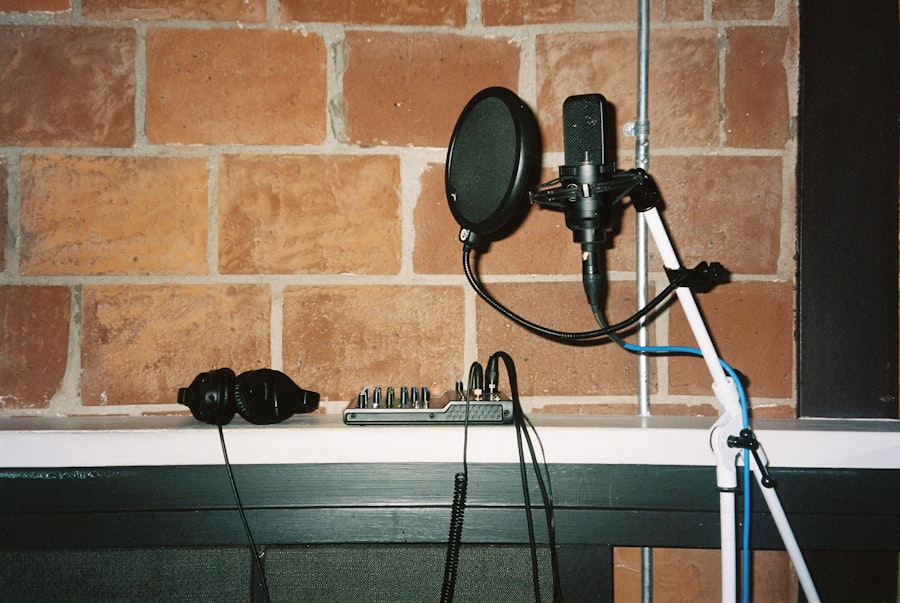
At its core, SOSUS operates through a network of hydrophones that are capable of detecting sound waves traveling through water. These hydrophones are strategically deployed in various locations across the ocean floor, often in areas where submarine activity is anticipated. When a sound is produced underwater—whether from a submarine, marine animal, or natural phenomenon—the hydrophones pick up these vibrations and convert them into electrical signals.
These signals are then transmitted to processing centers where they are analyzed for patterns and characteristics. The technology behind SOSUS is sophisticated yet fundamentally relies on basic principles of acoustics. Sound travels faster in water than in air, allowing for long-distance detection of underwater sounds.
The system is designed to filter out background noise and focus on specific frequencies associated with submarines or other significant underwater events. This capability enables analysts to distinguish between different types of sounds, providing valuable information about the source and nature of the noise detected.
The Impact of SOSUS on Marine Life Research
The implications of SOSUS hydrophone recordings for marine life research are profound. By providing a continuous stream of acoustic data from various oceanic regions, researchers can gain insights into the behaviors and interactions of marine species that would otherwise remain hidden from view. For instance, studies have shown that SOSUS can be used to monitor whale populations, track their migratory routes, and understand their communication patterns.
This information is crucial for conservation efforts aimed at protecting endangered species and their habitats. Moreover, SOSUS recordings have facilitated research into how marine life responds to environmental changes. As human activities such as shipping, fishing, and industrial development increase noise pollution in the oceans, understanding how these sounds affect marine species becomes essential.
Researchers have utilized SOSUS data to assess how noise impacts animal behavior, reproduction, and even stress levels in various species. This research not only contributes to scientific knowledge but also informs policy decisions regarding marine conservation and management.
Uncovering Underwater Communication and Migration Patterns
| Metric | Description | Typical Values | Units |
|---|---|---|---|
| Array Length | Total length of the hydrophone array cable | 10 – 100 | km |
| Number of Hydrophones | Total hydrophones deployed along the array | 50 – 200 | units |
| Frequency Range | Operational frequency bandwidth of hydrophones | 10 – 1000 | Hz |
| Sampling Rate | Rate at which acoustic signals are digitized | 2000 – 5000 | samples/second |
| Detection Range | Maximum distance for detecting underwater sounds | 100 – 2000 | km |
| Signal-to-Noise Ratio (SNR) | Ratio of signal power to background noise | 10 – 40 | dB |
| Data Storage Capacity | Amount of data stored from recordings | 100 – 1000 | GB per day |
| Deployment Depth | Depth at which hydrophones are deployed | 1000 – 5000 | meters |
One of the most fascinating aspects of SOSUS hydrophone recordings is their ability to reveal intricate communication systems among marine animals. Many species rely on sound for navigation, mating calls, and social interactions. By analyzing the acoustic data collected by SOSUS, researchers have been able to decode some of these communication patterns, shedding light on how animals interact within their ecosystems.
In addition to communication, SOSUS has proven invaluable in tracking migration patterns among various marine species. For example, studies have utilized hydrophone data to map the migratory routes of fish and marine mammals as they travel between feeding and breeding grounds. This information is critical for understanding population dynamics and ensuring sustainable management practices for fisheries and conservation efforts.
The ability to monitor these patterns over time allows scientists to identify changes that may be linked to environmental factors or human activities.
The Role of SOSUS in National Security and Defense

While the scientific applications of SOSUS are significant, its primary role remains rooted in national security and defense. The system was initially developed as a response to Cold War tensions, providing the U.S. Navy with a strategic advantage in monitoring submarine activity in key maritime regions.
The ability to detect submarines at great distances has been crucial for maintaining naval superiority and ensuring maritime security. In contemporary times, SOSUS continues to play a vital role in national defense strategies. As geopolitical tensions persist and new threats emerge, the need for reliable underwater surveillance remains paramount.
The data collected by SOSUS not only aids in tracking potential adversaries but also enhances situational awareness in critical maritime areas. This dual-use nature of SOSUS—serving both military objectives and scientific inquiry—underscores its importance as a multifaceted tool in an increasingly complex global landscape.
Discoveries and Revelations from SOSUS Hydrophone Recordings
The wealth of data generated by SOSUS hydrophone recordings has led to numerous discoveries that have expanded our understanding of underwater environments. For instance, researchers have identified previously unknown vocalizations from various marine species, revealing complexities in their communication that were not previously understood. These findings have implications for conservation efforts as they highlight the need to protect critical habitats where these interactions occur.
Additionally, SOSUS has contributed to our understanding of oceanographic phenomena such as underwater earthquakes and volcanic activity. By analyzing acoustic signals associated with these events, scientists can gain insights into geological processes that shape our planet’s oceans. This interdisciplinary approach—combining marine biology with geology—demonstrates the versatility of SOSUS as a research tool capable of addressing diverse scientific questions.
Challenges and Limitations of Using SOSUS Hydrophone Recordings
Despite its many advantages, utilizing SOSUS hydrophone recordings is not without challenges and limitations. One significant issue is the sheer volume of data generated by the system. The continuous monitoring capabilities of SOSUS result in vast amounts of acoustic information that require substantial resources for analysis and interpretation.
Researchers must develop efficient methods for processing this data to extract meaningful insights without being overwhelmed by noise. Another challenge lies in distinguishing between anthropogenic sounds—such as shipping traffic or industrial activities—and natural sounds produced by marine life or geological events. This differentiation is crucial for accurately interpreting the data collected by SOSUS.
Furthermore, variations in ocean conditions can affect sound propagation, complicating efforts to analyze recordings consistently across different environments.
The Future of SOSUS and Underwater Surveillance Technology
As technology continues to advance at a rapid pace, the future of SOSUS and underwater surveillance technology appears promising. Innovations in machine learning and artificial intelligence are poised to revolutionize how researchers analyze acoustic data from hydrophone networks. These technologies can enhance pattern recognition capabilities, allowing scientists to identify significant events more efficiently and accurately.
Moreover, there is potential for integrating SOSUS with other emerging technologies such as autonomous underwater vehicles (AUVs) and satellite-based monitoring systems.
As global challenges such as climate change intensify, leveraging these advancements will be essential for effective marine conservation efforts.
Ethical Considerations and Environmental Impact of SOSUS Hydrophone Recordings
The deployment of SOSUS hydrophones raises important ethical considerations regarding their impact on marine environments and species. While the data collected can inform conservation efforts, there is also concern about how continuous monitoring may affect sensitive marine habitats or disrupt animal behaviors. Researchers must navigate these ethical dilemmas carefully to ensure that their work does not inadvertently harm the very ecosystems they aim to protect.
Additionally, there is an ongoing debate about the balance between national security interests and environmental stewardship. As governments invest in underwater surveillance technologies like SOSUS, it is crucial to consider how these systems may influence marine ecosystems over time. Striking a balance between security needs and ecological preservation will require collaboration among scientists, policymakers, and conservationists.
The Ongoing Quest to Uncover Underwater Secrets with SOSUS
In conclusion, the SOSUS hydrophone recordings represent a remarkable intersection of technology, science, and national security that continues to evolve over time. From its origins as a military tool during the Cold War to its current applications in marine research and conservation efforts, SOSUS has proven invaluable in uncovering the mysteries of underwater environments. The insights gained from these recordings not only enhance our understanding of marine life but also inform critical decisions regarding environmental management and national defense.
As researchers continue to explore the depths of our oceans using SOSUS technology, they embark on an ongoing quest to uncover secrets hidden beneath the waves. The challenges faced in analyzing vast amounts of data and addressing ethical considerations will require innovative solutions and collaborative efforts across disciplines. Ultimately, the legacy of SOSUS will be defined not only by its contributions to national security but also by its role in fostering a deeper appreciation for the complexities of our planet’s oceans and their inhabitants.
The SOSUS hydrophone array recordings have been a subject of interest for researchers studying underwater acoustics and marine life. For a deeper understanding of the implications and findings related to these recordings, you can explore the article available at this link. This resource provides valuable insights into the technology and its applications in monitoring oceanic environments.
WATCH THIS! 🚢 THEY KNOW: What The Navy Has Hidden For 50 Years 🔒
FAQs
What is SOSUS?
SOSUS stands for Sound Surveillance System. It is a network of underwater hydrophone arrays originally developed by the United States Navy during the Cold War to detect and track submarines.
What are hydrophone arrays?
Hydrophone arrays are groups of underwater microphones designed to detect and record sound waves in the ocean. When arranged in arrays, they can pinpoint the location and movement of underwater sound sources.
How do SOSUS hydrophone arrays work?
SOSUS hydrophone arrays detect low-frequency sounds underwater by capturing acoustic signals through multiple hydrophones spread over large distances on the ocean floor. The data is then processed to identify and track submarines or other underwater activities.
What kind of recordings do SOSUS hydrophone arrays capture?
SOSUS hydrophone arrays primarily capture low-frequency underwater sounds, including submarine noises, marine mammal vocalizations, seismic activity, and other oceanic acoustic events.
Are SOSUS recordings publicly available?
Most SOSUS recordings were classified due to their military use. However, some declassified data and recordings have been made available for scientific research and public interest, especially related to marine biology and oceanography.
What is the historical significance of SOSUS hydrophone arrays?
SOSUS played a crucial role during the Cold War by providing early detection and tracking of Soviet submarines, significantly enhancing naval surveillance and underwater security.
Can SOSUS hydrophone arrays detect marine life?
Yes, SOSUS arrays can detect sounds produced by marine mammals such as whales and dolphins, and this data has been used in marine biology research to study animal behavior and migration patterns.
Where are SOSUS hydrophone arrays located?
SOSUS hydrophone arrays are typically installed on the ocean floor in strategic locations, such as along continental shelves and ocean basins, to maximize coverage of key maritime areas.
How has SOSUS technology evolved over time?
Since its inception, SOSUS technology has advanced with improvements in hydrophone sensitivity, signal processing, and data analysis, expanding its applications beyond military use to include scientific research and environmental monitoring.
What is the difference between SOSUS and other underwater acoustic systems?
SOSUS is a large-scale, fixed hydrophone network primarily designed for long-range submarine detection, whereas other underwater acoustic systems may be mobile, smaller in scale, or designed for different purposes such as short-range communication or environmental monitoring.