
Transient epileptic amnesia (TEA) represents a distinct subtype of epilepsy characterized by discrete episodes of profound memory impairment. These seizures, although temporary, can exert a significant impact on an individual’s daily life and understanding of their own experiences. The core symptom of TEA is an inability to form new memories during the ictal period and, often, a significant retrograde amnesia for events immediately preceding the seizure. Understanding the nuances of these symptoms is crucial for accurate diagnosis, effective management, and compassionate care.
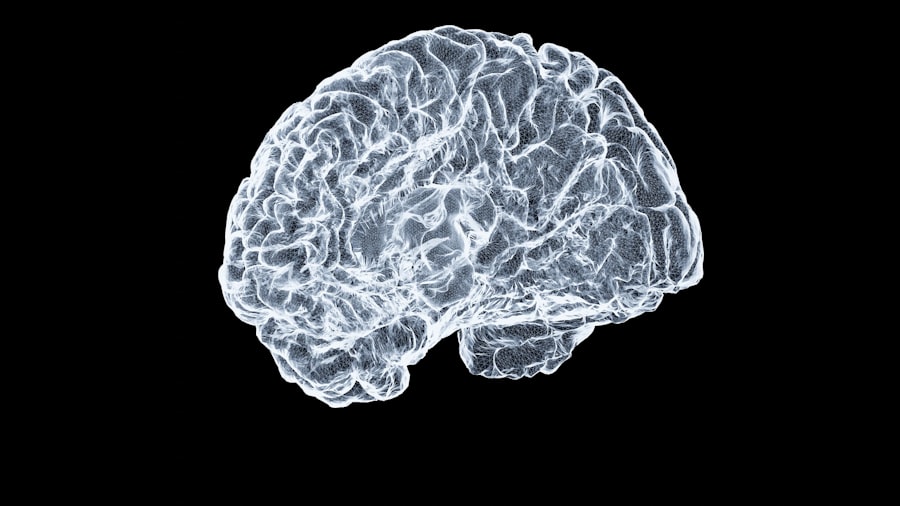
Transient epileptic amnesia is not a unitary condition but rather a symptom complex arising from focal epileptic discharges that affect the medial temporal lobes, structures intimately involved in memory formation and retrieval. These seizures are often brief, lasting only minutes, yet their consequences for memory can be substantial. The epilepsy itself may originate from various underlying causes, including hippocampal sclerosis, mesial temporal lobe tumors, or trauma. However, the defining feature of TEA lies in the specific manifestation of memory loss during the seizure. You can watch a fascinating documentary about the concept of lost time and its impact on our lives.
Ictal Amnesia: The Core of the Experience
The hallmark of TEA is the experience of ictal amnesia. During a seizure, the individual’s ability to register new information is severely disrupted. This means that for the duration of the event, and often for a period afterward, they are essentially a blank slate, unable to record the unfolding of reality.
Encoding Failure: When the Recording Device Fails
One can conceptualize this as a failure of the brain’s recording device. Normally, our experiences are captured and encoded into memory. In TEA, during the seizure, this encoding process breaks down. Imagine trying to write in a notebook that is actively being erased as you write; the information simply does not stick. This not only affects the ability to learn new facts or recall ongoing conversations but also impedes the formation of autobiographical memories, the very fabric of our personal history.
The Temporal Lobe’s Role in Memory
The medial temporal lobes, specifically the hippocampus and surrounding structures, are the brain’s librarians, responsible for cataloging and retrieving memories. When epileptic activity disrupts these circuits, the library doors slam shut. New books of information cannot be placed on the shelves, and accessing existing ones becomes extremely difficult, if not impossible.
Postictal Amnesia: The Lingering Fog
Following the cessation of the epileptic discharge, a period of postictal amnesia often ensues. This amnesia can be more extensive than the ictal memory loss, affecting memories formed even before the seizure. Individuals may struggle to recall what happened just prior to the event, or even their name and personal details for a short time.
Retrograde Amnesia: Looking Backwards Through a Cloud
This retrograde amnesia is like trying to see through a dense fog that is slowly lifting. The further back in time one tries to look, the more obscured the view becomes. While the fog eventually dissipates, leaving the individual with a clearer picture of their past, the immediate pre-seizure period often remains a blind spot. The duration and extent of this postictal amnesia can vary significantly from one episode to another and from person to person.
Confusional States: Disorientation After the Storm
Alongside amnesia, postictal confusion is a common companion. Individuals may appear disoriented, agitated, or unresponsive. This confusion further exacerbates the memory deficit, making it difficult for them to orient themselves to their surroundings or understand what has happened. It’s as if the storm has passed, but the debris is still scattered, making it hard to find one’s bearings.
Transient epileptic amnesia is a rare condition characterized by sudden episodes of memory loss, often triggered by seizures. For a deeper understanding of the symptoms and implications of this condition, you can refer to a related article that explores the nuances of transient epileptic amnesia and its impact on daily life. To learn more, visit this article.
Recognizing the Symptoms: A Detective’s Toolkit
Identifying TEA requires careful observation and a keen awareness of subtle behavioral changes. Since the primary symptom is amnesia, it can sometimes be mistaken for other conditions, such as intentional memory lapses or even malingering. Therefore, a systematic approach to symptom recognition is essential for accurate diagnosis.
The Transient Nature of the Amnesia: A Flicker in Time
The defining characteristic, as the name suggests, is the transient nature of the amnesia. Unlike chronic forms of memory loss, such disturbances in TEA are episodic and temporary. These episodes can be relatively brief, sometimes lasting only a few minutes, but their impact can be profound. This episodic nature is a critical clue.
Interictal Periods: The Return to Normalcy
During the periods between seizures (interictal periods), individuals with TEA typically have normal cognitive function, including their memory. This stark contrast between the profound amnesia during an episode and the unimpeded cognition between episodes is a key feature that helps differentiate TEA from other memory disorders. It’s like a switch that is flicked on and off, with normal function returning when the switch is in the “off” position.
Precipitating Factors: The Spark that Ignites the Fire
While the precise triggers for TEA seizures are not always identifiable, certain factors can sometimes precipitate them. These might include stress, sleep deprivation, flashing lights, or even specific medications. Identifying these potential triggers can be an important part of managing the condition.
Behavioral Manifestations During a Seizure: Unpacking the Puzzle
During a TEA seizure, the individual may exhibit a range of behaviors that, when viewed in conjunction with their memory loss, point towards the diagnosis. These are not always dramatic or convulsive events.
Automatisms: Subconscious Actions in a Fog
Automatisms, which are repetitive, involuntary movements or behaviors, can occur during TEA seizures. These might include lip-smacking, fumbling with clothing, or even verbalizations that are nonsensical or out of context. The individual is essentially acting on autopilot, their conscious awareness and memory formation compromised.
Staring or Blank Expressions: Looking Without Seeing
A common observation is a vacant stare or a blank facial expression. The individual may appear “zoned out” or unresponsive, reflecting a profound disconnection from their immediate environment. They are present physically but absent mentally.
Repetitive Questions: The Echo of Confusion
A frequently reported symptom is the repetitive asking of the same questions. Because they cannot retain new information, individuals may ask the same question multiple times, even if they have just received an answer. This can be distressing for both the individual experiencing it and their caregivers. Imagine being caught in a loop, each word spoken vanishing before it can be registered.
Differential Diagnosis: Ruling Out Other Possibilities
The constellation of symptoms in TEA can overlap with other neurological and psychological conditions, making a thorough differential diagnosis essential. Misdiagnosis can lead to delays in appropriate treatment and unnecessary stress for the individual and their family.
Dissociative Amnesia: When Memory Fades for Psychological Reasons
Dissociative amnesia differs from TEA in its etiology and presentation. While both involve memory loss, dissociative amnesia is typically a psychological response to trauma or stress, and the memory loss is often more selective and may encompass specific life events rather than the continuous inability to form new memories. The underlying mechanism is rooted in psychological defense rather than epileptic electrical activity.
Psychological Trauma as a Trigger: A Mind’s Defense Mechanism
In dissociative amnesia, the brain may selectively block access to traumatic memories as a coping mechanism. This is a protective shutdown of specific memory pathways. In contrast, TEA represents a disruption of the entire memory encoding system due to an uncontrolled electrical surge.
Selective vs. Global Amnesia: A Targeted Shut-off vs. a System-wide Blackout
Dissociative amnesia can be selective, affecting only specific periods or types of memories. TEA, on the other hand, leads to a more global impairment of new memory formation during the ictal period.
Other Epileptic Syndromes: Differentiating Within Epilepsy
It is also crucial to distinguish TEA from other epileptic syndromes that can affect memory. Certain types of temporal lobe epilepsy, for instance, can lead to more chronic or progressive memory deficits outside of discrete seizures.
Temporal Lobe Epilepsy with Memory Impairment: A Constant Shadow
Some forms of temporal lobe epilepsy can cause persistent memory problems, even between seizures. This contrasts with the typically unimpaired cognitive function of individuals with TEA during interictal periods. The memory impairment in these cases is more like a constant shadow, whereas in TEA, it is a fleeting but intense darkness.
Absence Seizures: A Different Kind of Blank Stare
Absence seizures, while characterized by a brief loss of awareness, typically do not involve the profound amnesia for ongoing events that is characteristic of TEA. The individual may appear to stare blankly, but they generally do not exhibit the extensive memory encoding failure seen in TEA.
Management and Treatment: Navigating the Path Forward

The management of Transient Epileptic Amnesia focuses on controlling the underlying epilepsy and providing support to individuals experiencing these episodes. A multidisciplinary approach involving neurologists, neuropsychologists, and therapists is often beneficial.
Antiepileptic Drugs: Taming the Electrical Storm
The primary treatment for TEA involves the use of antiepileptic medications. These drugs work to stabilize the electrical activity in the brain, reducing the frequency and severity of seizures. Finding the right medication and dosage can be a process of trial and error, as individual responses vary.
Medication Efficacy: Finding the Right Key for the Lock
The goal is to find a medication that effectively locks down the erratic electrical activity without causing significant side effects. This often requires a partnership between the patient and their neurologist to monitor progress and adjust treatment as needed.
Side Effects and Monitoring: Navigating the Trade-offs
Like all medications, antiepileptics can have side effects. Regular monitoring is essential to manage these and ensure the optimal balance between seizure control and quality of life.
Neuropsychological Assessment: Mapping the Memory Landscape
Neuropsychological assessments play a vital role in understanding the specific nature and extent of memory deficits in TEA. These assessments can help to identify preserved cognitive functions and areas that require targeted support.
Cognitive Rehabilitation: Building New Pathways
For individuals experiencing significant memory disruption, cognitive rehabilitation strategies can be employed. These strategies aim to teach compensatory techniques and build new pathways to facilitate memory encoding and retrieval. This is akin to helping someone learn to navigate a city with a broken compass by teaching them to rely on landmarks and external aids.
Memory Aids and Strategies: Tools for Recall
The use of memory aids, such as diaries, calendars, alarms, and written notes, can be invaluable in managing daily life. These tools act as external memory systems, helping individuals to compensate for their ictal and postictal memory deficits.
Transient epileptic amnesia is a rare condition characterized by sudden episodes of memory loss, often triggered by seizures. Individuals experiencing this condition may find it challenging to recall recent events or form new memories during episodes, which can lead to confusion and distress. For a deeper understanding of the symptoms and implications of this condition, you can explore a related article that discusses various aspects of transient epileptic amnesia in detail. This informative resource can be found here.
Living with Transient Epileptic Amnesia: Building Resilience and Support
| Symptom | Description | Frequency | Duration | Common Triggers |
|---|---|---|---|---|
| Transient Amnesia | Sudden, temporary loss of memory, especially for recent events | Recurrent episodes, often daily to weekly | Typically 15-60 minutes | Stress, fatigue, sleep deprivation |
| Autobiographical Memory Loss | Difficulty recalling personal life events during episodes | Common during attacks | Minutes to hours | Emotional stress, alcohol consumption |
| Topographical Disorientation | Confusion about familiar routes or locations | Occasional | Short-lasting, during episodes | Fatigue, stress |
| Seizure Activity | Subclinical or clinical seizures often associated with amnesia | Variable | Seconds to minutes | Sleep deprivation, stress |
| Repetitive Questioning | Repeatedly asking the same questions due to memory gaps | Frequent during episodes | Duration of amnesia episode | During or immediately after amnesia |
Living with TEA presents unique challenges, but with appropriate strategies and support, individuals can lead fulfilling lives. Understanding the condition, fostering open communication, and building a strong support network are crucial for resilience.
Education and Awareness: Illuminating the Path
Educating oneself and one’s loved ones about TEA is a critical first step. Understanding the symptoms, triggers, and management strategies empowers individuals to better navigate their condition. Awareness reduces fear and fosters empathy.
Family and Friends as Allies: A Net of Support
The role of family and friends is paramount. Their understanding and patience can make a significant difference in how individuals cope with the disorientation and memory lapses associated with TEA. They can act as a stable anchor in the often turbulent waters of memory disruption.
Emotional and Psychological Support: Navigating the Inner Landscape
The emotional toll of experiencing recurrent memory loss can be substantial. Feelings of frustration, anxiety, and even loss of identity can arise. Accessing psychological support, such as therapy or support groups, can provide a safe space to process these emotions.
Coping Mechanisms: Building Inner Strength
Developing healthy coping mechanisms is essential for managing the stress and uncertainty associated with TEA. This might include mindfulness techniques, stress reduction exercises, and engaging in enjoyable activities.
Vocational and Social Adjustments: Adapting to New Realities
Depending on the severity and frequency of the seizures, individuals with TEA may need to make adjustments in their vocational and social lives. This might involve seeking workplace accommodations, adapting social routines, or finding activities that are less likely to trigger seizures. The goal is to find a balance that allows for meaningful engagement with the world without undue risk or distress.
Transient epileptic amnesia, while a challenging condition, is a well-defined neurological phenomenon. By understanding its specific symptoms, distinguishing it from other conditions, and implementing appropriate management strategies, individuals can effectively navigate its complexities and continue to live purposeful lives. The journey may involve periodic storms of amnesia, but with the right tools and a strong support system, the sun can always break through.
WATCH THIS 🔥LOST 8 HOURS: What Hospitals Won’t Tell You About Missing Time
FAQs
What are the common symptoms of transient epileptic amnesia?
Transient epileptic amnesia (TEA) typically presents with brief episodes of memory loss, often lasting from a few minutes to an hour. During these episodes, individuals may be unable to recall recent events or form new memories, while other cognitive functions remain intact.
How does transient epileptic amnesia differ from other types of amnesia?
TEA is characterized by sudden, recurrent episodes of memory loss caused by epileptic activity in the brain. Unlike other forms of amnesia, TEA episodes are usually brief, reversible, and often accompanied by subtle seizure symptoms such as brief confusion or automatisms.
Are there any warning signs or triggers for transient epileptic amnesia episodes?
Some individuals with TEA may experience warning signs such as déjà vu, unusual smells, or brief sensory disturbances before an episode. Triggers can vary but may include stress, sleep deprivation, or alcohol consumption, which can increase seizure susceptibility.
How is transient epileptic amnesia diagnosed?
Diagnosis of TEA involves a detailed clinical history, neuropsychological testing, and electroencephalogram (EEG) monitoring to detect epileptic activity. Brain imaging, such as MRI, may also be used to rule out other causes of memory loss.
What treatment options are available for transient epileptic amnesia?
TEA is typically treated with antiepileptic medications to control seizures and prevent further episodes of amnesia. With appropriate treatment, many individuals experience a significant reduction or complete cessation of memory loss episodes.