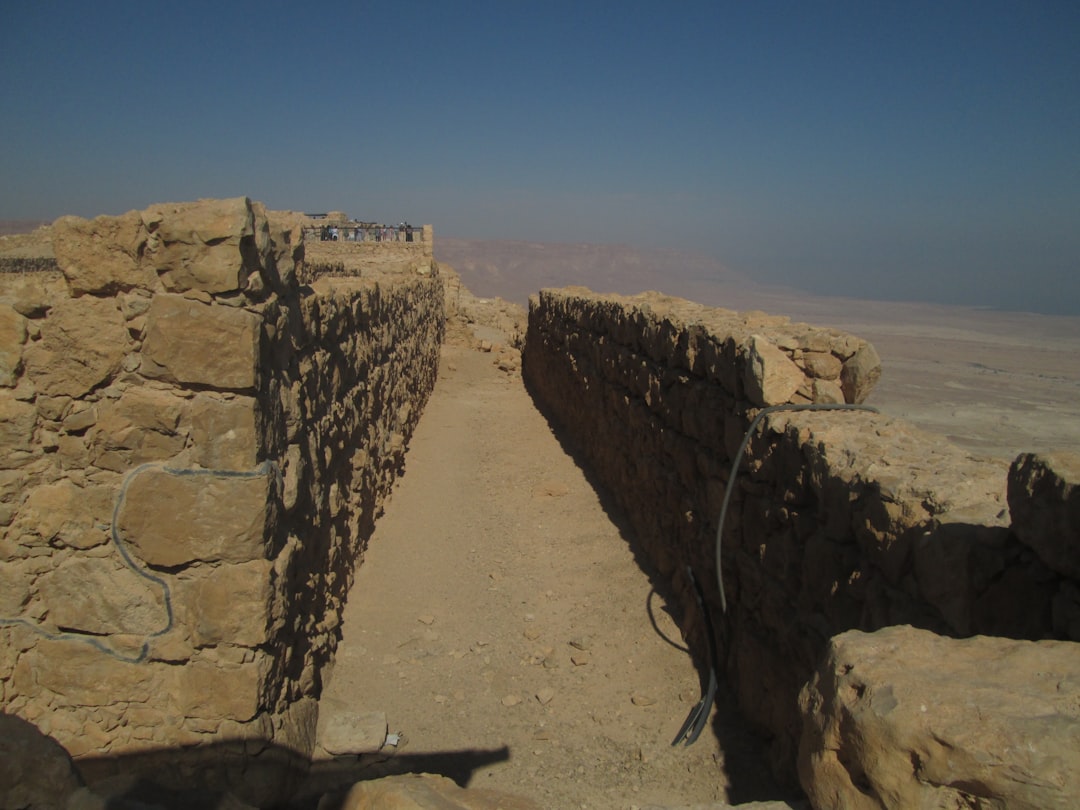
The Duat represents the underworld in ancient Egyptian religious beliefs, describing the realm through which the deceased traveled after death. Within this cosmological framework, the Duat Gates functioned as a series of checkpoints that souls encountered during their posthumous journey. Ancient Egyptian texts, particularly funerary literature such as the Book of the Dead and the Pyramid Texts, describe these gates as obstacles requiring specific knowledge, spells, or moral qualifications for passage.
According to Egyptian religious doctrine, supernatural guardians protected each gate, demanding that the deceased demonstrate their worthiness through recitation of proper formulas or by proving their adherence to moral principles during life. These gatekeepers included various deities, demons, and protective spirits, each associated with particular aspects of judgment or protection. The gate system reflected core Egyptian theological concepts regarding death and resurrection.
The successful navigation of these barriers determined whether an individual could proceed to the Field of Reeds, the Egyptian equivalent of paradise, or face destruction. This process emphasized the importance of moral conduct during life and proper preparation for death through ritual knowledge and ethical behavior. The gates thus served both as narrative elements in religious texts and as symbolic representations of the moral framework governing Egyptian society.
Key Takeaways
- The Duat Gates are central to ancient Egyptian beliefs about the afterlife and spiritual journey.
- They symbolize key mythological and religious concepts, guarded by deities and linked to rituals.
- The gates play a crucial role in the soul’s passage through the underworld toward rebirth.
- Artistic and architectural depictions of the Duat Gates reflect their cultural and religious importance.
- Modern research and popular culture continue to explore and reinterpret the significance of the Duat Gates.
The significance of the Duat Gates in ancient Egyptian beliefs
In ancient Egyptian beliefs, the Duat Gates held immense significance as they represented the transition from life to death and ultimately to rebirth. The journey through these gates was seen as a rite of passage, a necessary step for the soul to achieve immortality. Each gate was imbued with its own unique symbolism and meaning, reflecting the moral and spiritual challenges that awaited the deceased.
The gates were not simply obstacles; they were integral to the soul’s transformation and ascension into the afterlife. Moreover, the Duat Gates served as a metaphor for the trials faced in life. The ancient Egyptians believed that one’s actions during their lifetime would determine their fate in the afterlife.
The gates acted as a reminder of this moral code, emphasizing the importance of living a virtuous life. Those who had led a righteous existence would find favor with the deities guarding the gates, while those who had strayed from the path of virtue would face dire consequences. This belief system reinforced societal values and encouraged individuals to strive for moral excellence.
Exploring the mythology and symbolism of the Duat Gates
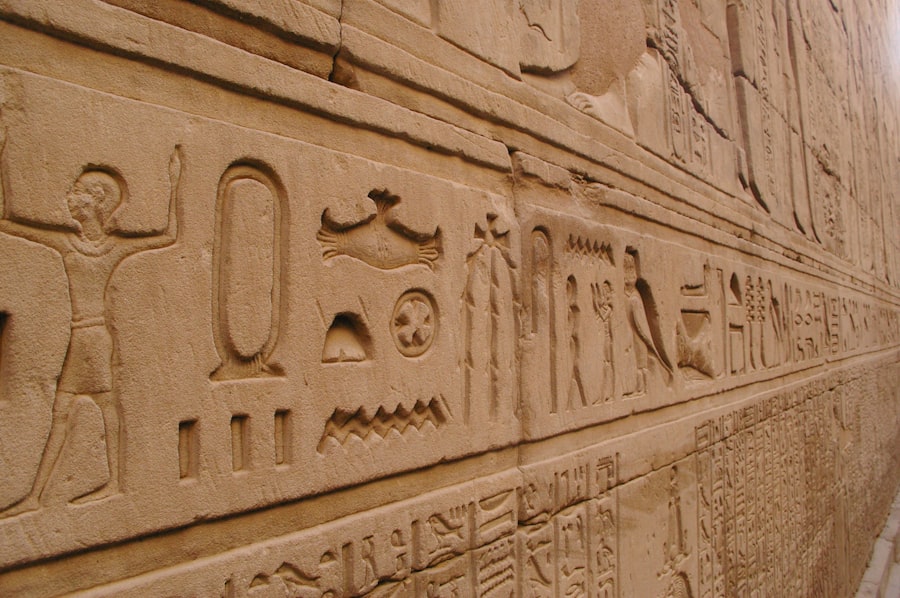
The mythology surrounding the Duat Gates is rich and varied, drawing from a tapestry of ancient Egyptian religious beliefs. Each gate is often associated with specific deities and mythological narratives that illustrate the challenges faced by souls in their quest for eternal life. For instance, some texts describe how the deceased must recite spells or answer questions posed by guardians at each gate, reflecting the importance of knowledge and wisdom in navigating the afterlife.
Symbolically, the Duat Gates represent not only physical barriers but also psychological and spiritual thresholds. They embody the concept of transformation, where passing through each gate signifies a step toward enlightenment and rebirth. The imagery associated with these gates often includes serpents, fire, and other elements that evoke both danger and protection.
This duality highlights the complexities of existence, where challenges can lead to growth and renewal.
The role of the Duat Gates in the journey to the afterlife
The journey through the Duat Gates is a central theme in ancient Egyptian funerary texts, particularly in works like the “Book of the Dead.” These texts provide detailed instructions for navigating the afterlife, emphasizing the importance of successfully passing through each gate. The deceased would often be accompanied by protective deities who guided them through this perilous journey, ensuring that they could overcome any obstacles encountered along the way. As souls approached each gate, they were required to demonstrate their worthiness through various means, such as reciting spells or affirming their adherence to Ma’at—the principle of truth, balance, and cosmic order.
This process underscored the belief that one’s actions in life directly influenced their fate in death. The successful passage through each gate not only signified progress toward eternal life but also reinforced the idea that moral integrity was paramount in both realms.
Uncovering the ancient rituals and ceremonies associated with the Duat Gates
| Gate Name | Number | Guardian Deity | Symbolism | Purpose in Duat | Associated Ancient Text |
|---|---|---|---|---|---|
| Gate of the Four Winds | 1 | Horus | Protection and direction | Entry point to the Duat | Book of the Dead |
| Gate of the Hidden Flame | 2 | Ra | Transformation and rebirth | Passage through spiritual fire | Amduat |
| Gate of the Serpent | 3 | Mehen | Protection from evil | Guarding the soul from dangers | Book of Gates |
| Gate of the Scales | 4 | Maat | Judgment and balance | Weighing of the heart | Book of the Dead |
| Gate of the Hidden Waters | 5 | Nun | Primordial waters and renewal | Passage through chaos to order | Amduat |
| Gate of the Eternal Horizon | 6 | Osiris | Resurrection and eternal life | Entry to the afterlife realm | Book of Gates |
Ancient rituals surrounding the Duat Gates were deeply intertwined with funerary practices aimed at ensuring a safe passage for the deceased. These ceremonies often involved elaborate preparations, including mummification and burial rites designed to honor and protect the soul on its journey. Families would engage in rituals that invoked blessings from deities associated with the Duat, seeking their favor for their loved ones.
One notable ritual involved placing amulets and inscriptions within tombs that referenced the Duat Gates.
Additionally, priests would perform specific rites to invoke divine assistance, ensuring that the deceased could navigate each gate successfully.
The architectural and artistic representations of the Duat Gates
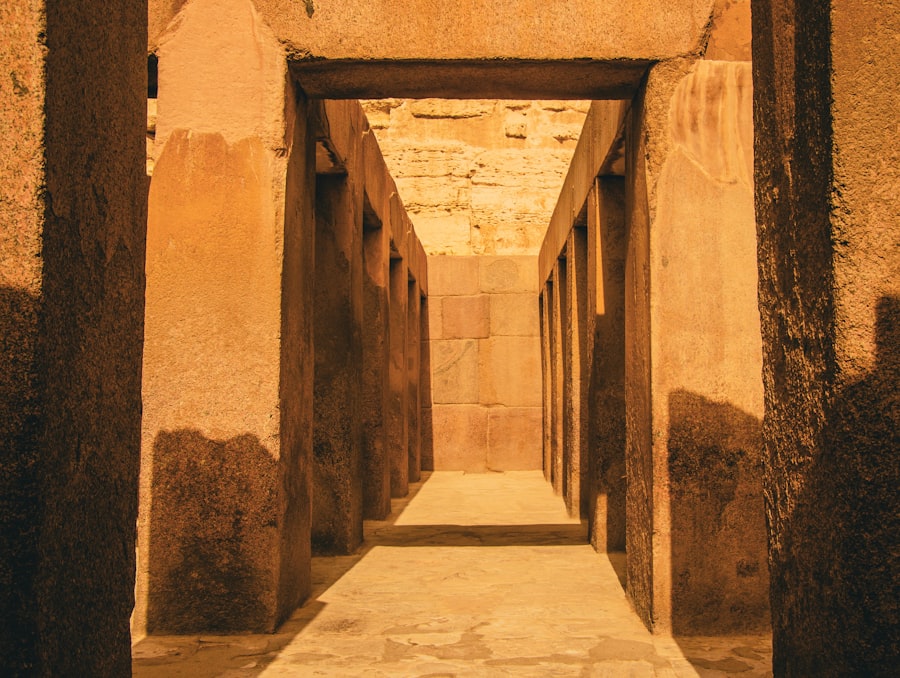
Architecturally, representations of the Duat Gates can be found in various tombs and temples throughout ancient Egypt. These structures often featured intricate carvings and paintings depicting scenes from the afterlife journey, including images of gates guarded by formidable deities. The artistry involved in these representations was not merely decorative; it served a functional purpose by providing visual narratives that guided souls through their passage.
Artistic depictions of the Duat Gates also conveyed deeper meanings through symbolism. For instance, gates adorned with serpents might symbolize protection against chaos, while others might feature solar motifs representing rebirth and renewal. These artistic choices reflect a sophisticated understanding of symbolism within ancient Egyptian culture, where every element was imbued with significance related to life, death, and spiritual transformation.
The connection between the Duat Gates and Egyptian deities
The Duat Gates are intrinsically linked to various Egyptian deities who played crucial roles in guiding souls through their journey in the afterlife. Deities such as Anubis, Osiris, and Thoth are often depicted as guardians or facilitators at these gates. Anubis, known as the god of mummification and protector of graves, was particularly significant in overseeing the transition from life to death.
Each deity associated with the Duat Gates embodies specific attributes that reflect their roles in this sacred journey. For example, Osiris represents resurrection and eternal life, while Thoth symbolizes wisdom and knowledge—qualities essential for navigating through each gate successfully. This divine hierarchy underscores how deeply intertwined religion was with concepts of mortality and spirituality in ancient Egypt.
The modern-day exploration and interpretation of the Duat Gates
In contemporary times, scholars and archaeologists continue to explore and interpret the significance of the Duat Gates within ancient Egyptian culture. Advances in technology have allowed researchers to uncover new insights into burial practices and funerary texts that reference these gates. This ongoing exploration sheds light on how ancient Egyptians perceived death and what they believed awaited them beyond this life.
Modern interpretations also seek to contextualize these beliefs within broader themes of spirituality and existential inquiry. As people today grapple with questions about mortality and what lies beyond death, many find resonance in ancient Egyptian concepts like those embodied by the Duat Gates. This connection serves as a bridge between past and present, illustrating how timeless questions about existence continue to inspire exploration.
The Duat Gates in popular culture and contemporary references
The allure of ancient Egyptian mythology has permeated popular culture, with references to the Duat Gates appearing in literature, film, and art. From novels that delve into themes of resurrection to movies that depict epic journeys through mystical realms, these gates have captured imaginations across generations. Such portrayals often draw upon rich symbolism associated with death and rebirth, echoing ancient beliefs while adapting them for modern audiences.
Contemporary references to the Duat Gates also reflect an ongoing fascination with ancient wisdom and spirituality. Many artists incorporate elements inspired by these gates into their work as a means of exploring themes related to transformation and transcendence. This cultural engagement highlights how ancient Egyptian beliefs continue to resonate today, inviting reflection on life’s mysteries.
The ongoing research and discoveries related to the Duat Gates
Ongoing research into ancient Egyptian beliefs surrounding death has led to significant discoveries related to the Duat Gates. Archaeological excavations have unearthed new tombs containing inscriptions that reference these gates, providing valuable insights into how they were perceived by those who lived thousands of years ago. Such findings contribute to a deeper understanding of funerary practices and beliefs about the afterlife.
Additionally, interdisciplinary approaches combining archaeology with anthropology and religious studies have enriched scholarly discourse on this topic. Researchers are increasingly examining how cultural contexts influenced interpretations of death and rebirth within ancient Egypt. As new technologies emerge for analyzing artifacts and texts, scholars anticipate further revelations about the significance of the Duat Gates in shaping spiritual beliefs.
The legacy and enduring impact of the Egyptian Duat Gates on spiritual and cultural beliefs
The legacy of the Duat Gates extends far beyond their historical context; they continue to influence spiritual thought and cultural practices today. The themes encapsulated by these gates—transformation, moral integrity, and continuity beyond death—resonate with individuals seeking meaning in their own lives. As people navigate their personal journeys through challenges and transitions, they often draw inspiration from ancient wisdom that emphasizes resilience and hope.
Moreover, contemporary spiritual movements frequently reference ancient Egyptian beliefs as part of broader explorations into mysticism and metaphysics. The enduring impact of concepts like those embodied by the Duat Gates serves as a testament to humanity’s quest for understanding life’s mysteries—a quest that transcends time and culture. In this way, these ancient portals remain relevant symbols of transformation, inviting reflection on what it means to live fully while contemplating what lies beyond this earthly existence.
The concept of the Duat, the ancient Egyptian underworld, is intricately linked to the gates that souls must pass through on their journey after death. These gates are often depicted in ancient texts and art, symbolizing the trials and tribulations faced by the deceased. For a deeper exploration of this fascinating topic, you can read more in the article found at XFile Findings, which delves into the ancient knowledge surrounding the Duat and its significance in Egyptian mythology.
FAQs
What is the Egyptian Duat?
The Egyptian Duat is the ancient Egyptian concept of the underworld or the realm of the dead. It is a complex and mystical place where souls journey after death, facing various challenges and trials before reaching the afterlife.
What are the Duat gates?
The Duat gates are a series of symbolic gates or portals that the deceased must pass through during their journey in the Duat. Each gate is guarded by deities or supernatural beings and represents different stages or challenges in the afterlife.
What kind of ancient knowledge is associated with the Duat gates?
Ancient knowledge related to the Duat gates includes religious texts, spells, and rituals found in funerary literature such as the Book of the Dead and the Amduat. These texts provide guidance on how to navigate the gates, appease guardians, and ensure safe passage to the afterlife.
How were the Duat gates depicted in ancient Egyptian art?
The Duat gates were often depicted in tomb paintings, papyri, and temple reliefs. They are shown as doorways or portals guarded by gods, demons, or mythical creatures, sometimes accompanied by inscriptions or spells to protect the deceased.
Why were the Duat gates important in ancient Egyptian religion?
The Duat gates were crucial because they symbolized the soul’s journey and transformation after death. Successfully passing through these gates was believed to be essential for achieving eternal life and union with the gods.
Are there specific gods associated with the Duat gates?
Yes, several gods and supernatural beings are associated with the Duat gates, including Anubis (god of mummification), Osiris (god of the afterlife), and various gatekeepers who test or protect the deceased during their journey.
Can the knowledge of the Duat gates be found in modern studies?
Yes, modern Egyptology and archaeological research have uncovered many texts and artifacts that provide insight into the Duat gates and ancient Egyptian beliefs about the afterlife. Scholars continue to study these sources to better understand their religious and cultural significance.
Is the concept of the Duat gates unique to ancient Egypt?
While the specific concept of the Duat gates is unique to ancient Egyptian religion, many cultures have similar ideas of an underworld or afterlife journey involving trials or gates that souls must pass through.