
Megaliths are large stone structures or monuments that have been erected by ancient cultures, often serving as significant markers in the landscape. These monumental stones, which can weigh several tons, are typically associated with prehistoric societies and are found across various regions of the world. The term “megalith” derives from the Greek words “mega,” meaning large, and “lithos,” meaning stone.
These structures can take many forms, including standing stones, dolmens, and stone circles, each with its own unique characteristics and purposes. The construction of megaliths is believed to have occurred during the Neolithic and Bronze Ages, a time when human societies were transitioning from nomadic lifestyles to settled agricultural communities. The reasons behind the construction of these massive stone structures remain a topic of intrigue and debate among archaeologists and historians.
Some suggest that megaliths served as burial sites, while others propose that they were used for ceremonial purposes or as astronomical observatories. Regardless of their specific functions, megaliths stand as a testament to the ingenuity and capabilities of ancient peoples, reflecting their understanding of the natural world and their desire to leave a lasting legacy.
Key Takeaways
- Megaliths are large stone structures often aligned with natural phenomena like tides and celestial events.
- Tidal alignments in megaliths highlight ancient peoples’ sophisticated understanding of oceanic and lunar cycles.
- Astronomy played a crucial role in the precise positioning of megaliths to correspond with tidal patterns.
- Megalithic tidal alignments hold significant historical and cultural value, reflecting early human interaction with the environment.
- Modern technology aids in studying, preserving, and interpreting these alignments, ensuring their protection and ongoing research.
The Significance of Tidal Alignments
Tidal alignments refer to the positioning of megalithic structures in relation to tidal patterns and cycles. The significance of these alignments lies in their potential connection to the ancient peoples’ understanding of the natural rhythms of the Earth. Tides, influenced by the gravitational pull of the moon and sun, create predictable patterns that can be observed and measured.
For ancient societies that relied heavily on fishing, agriculture, and navigation, an awareness of tidal movements would have been crucial for survival. The alignment of megaliths with tidal patterns suggests that these ancient cultures possessed a sophisticated understanding of their environment. By constructing monuments that corresponded with tidal cycles, they may have been able to mark important seasonal changes or significant events in their agricultural calendars.
This connection between megaliths and tides highlights the interplay between human activity and natural phenomena, emphasizing how ancient societies sought to harmonize their lives with the rhythms of nature.
How Megaliths are Aligned with Tides
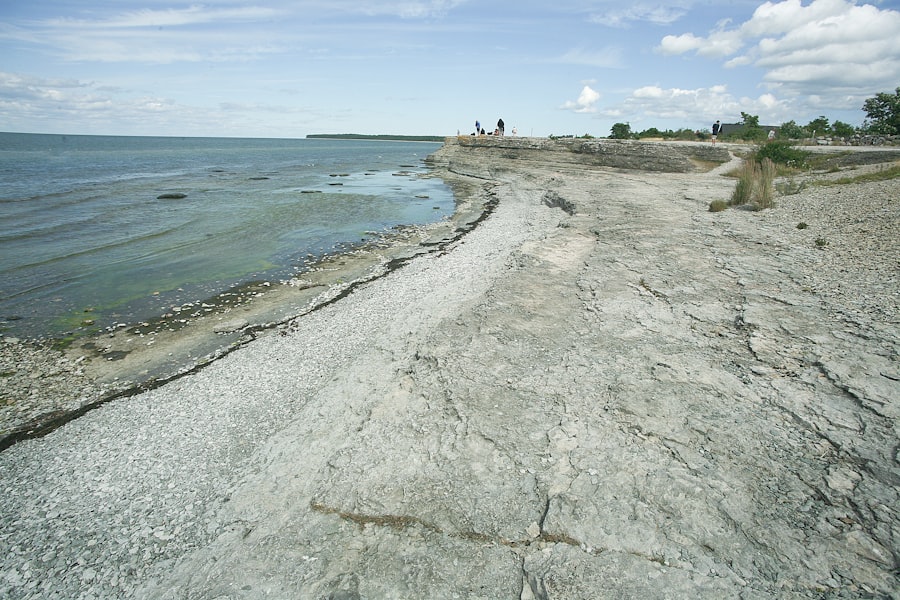
The alignment of megaliths with tidal patterns is often achieved through careful observation and strategic placement. Many megalithic sites are situated near coastlines or riverbanks, where tidal influences are most pronounced. The positioning of these structures allows for the observation of high and low tides, as well as the timing of tidal events throughout the lunar cycle.
In some cases, megaliths may be oriented towards specific celestial bodies or landmarks that are associated with tidal changes. For instance, certain stone circles or standing stones may be aligned to mark the highest point of a spring tide or the lowest point of a neap tide. This alignment would have provided ancient peoples with a reliable method for tracking tidal changes, which could be essential for fishing or other maritime activities.
The precision required for such alignments indicates a deep understanding of both astronomy and geography, showcasing the advanced knowledge possessed by these early civilizations.
The Role of Astronomy in Megalithic Alignments
Astronomy played a pivotal role in the alignment of megalithic structures, particularly in relation to tidal patterns. Ancient peoples often observed celestial events such as solstices, equinoxes, and lunar cycles to inform their agricultural practices and social rituals. The alignment of megaliths with astronomical phenomena suggests that these societies viewed the cosmos as an integral part of their existence, using it as a guide for daily life.
Many megalithic sites exhibit alignments that correspond with significant astronomical events. For example, some stone circles are oriented towards the rising or setting sun during solstices, while others may align with specific stars or constellations. This celestial orientation not only served practical purposes but also held cultural significance, as it connected communities to the larger universe.
The integration of astronomy into megalithic design reflects a worldview that recognized the interconnectedness of earthly and celestial realms.
Historical and Cultural Importance of Megalithic Tidal Alignments
| Megalith Site | Location | Tidal Alignment Direction | Type of Tidal Event | Estimated Construction Period | Significance of Alignment |
|---|---|---|---|---|---|
| Stonehenge | Wiltshire, England | South-East (towards solstice sunrise) | Spring Tide | c. 3000–2000 BCE | Possible synchronization with high tides during solstices |
| Callanish Stones | Isle of Lewis, Scotland | North-West (towards lunar standstill) | Neap Tide | c. 2900 BCE | Alignment with lunar tidal cycles influencing coastal waters |
| Giant’s Ring | Belfast, Northern Ireland | East (towards equinox sunrise) | Spring Tide | c. 2700 BCE | Marking tidal changes during equinox periods |
| Newgrange | County Meath, Ireland | North-East (winter solstice sunrise) | Neap Tide | c. 3200 BCE | Possible correlation with tidal cycles and solar events |
| Arkaim | Southern Urals, Russia | South (summer solstice) | Spring Tide | c. 1800 BCE | Potential tidal and solar alignment for ritual purposes |
The historical and cultural importance of megalithic tidal alignments cannot be overstated. These structures serve as physical manifestations of ancient beliefs, practices, and knowledge systems. They provide insight into how prehistoric societies interacted with their environment and how they understood the forces that governed their lives.
The construction of megaliths often involved significant communal effort, indicating a strong sense of social cohesion and shared purpose among members of these communities. Moreover, megalithic tidal alignments can reveal information about trade routes, migration patterns, and cultural exchanges between different groups. As people traveled to visit these monumental sites, they likely shared ideas, technologies, and traditions, contributing to the development of complex societies.
The enduring presence of megaliths in contemporary landscapes serves as a reminder of humanity’s long-standing relationship with nature and the cosmos.
Theories and Hypotheses Surrounding Megalithic Tidal Alignments
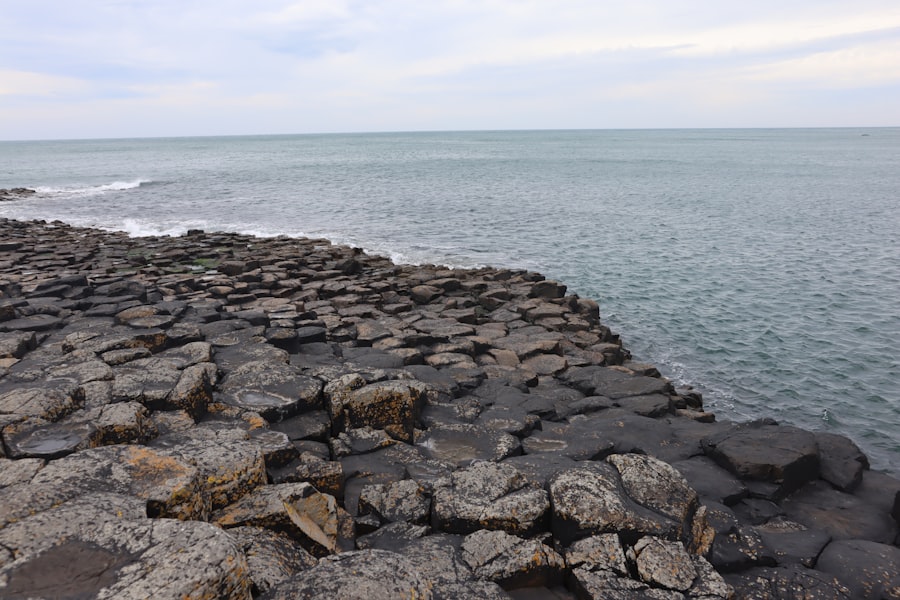
Numerous theories and hypotheses have emerged regarding the purpose and significance of megalithic tidal alignments. Some researchers propose that these alignments were primarily functional, serving as navigational aids for seafaring communities or as calendars for agricultural societies.
Another hypothesis posits that megalithic tidal alignments were part of a broader cosmological framework that linked terrestrial and celestial phenomena. This perspective emphasizes the idea that ancient peoples viewed their environment as imbued with meaning and significance, where every stone and tide was interconnected within a larger narrative. While no single theory can fully explain the complexity of megalithic tidal alignments, ongoing research continues to shed light on these enigmatic structures.
Modern Technology and Megalithic Tidal Alignments
Advancements in modern technology have revolutionized the study of megalithic tidal alignments. Archaeologists now employ tools such as Geographic Information Systems (GIS), satellite imagery, and 3D modeling to analyze megalithic sites with unprecedented precision. These technologies allow researchers to map out alignments accurately and assess their relationships with environmental factors such as tides and celestial events.
Additionally, modern techniques such as ground-penetrating radar (GPR) enable archaeologists to explore beneath the surface without disturbing the site itself. This non-invasive approach has led to new discoveries about the construction methods used by ancient peoples and has provided insights into the broader context in which these megaliths were built. As technology continues to evolve, it holds great promise for uncovering further mysteries surrounding megalithic tidal alignments.
Megalithic Tidal Alignments Around the World
Megalithic tidal alignments can be found across various regions worldwide, each reflecting unique cultural practices and environmental contexts. In Europe, sites such as Stonehenge in England and Carnac in France exhibit alignments that correspond with both astronomical events and tidal patterns along nearby coastlines. These structures have long fascinated researchers due to their intricate designs and potential connections to ancient maritime activities.
In other parts of the world, such as South America and Asia, similar monumental structures demonstrate an understanding of tides and celestial movements. For instance, some ancient cultures in Peru constructed large stone formations that align with seasonal changes in river levels influenced by tides. These global examples highlight the universality of human curiosity about nature’s rhythms and the desire to create lasting symbols that resonate across time and space.
Preservation and Conservation of Megalithic Tidal Alignments
The preservation and conservation of megalithic tidal alignments are critical for maintaining cultural heritage and historical knowledge. Many sites face threats from natural erosion, urban development, and climate change, which can compromise their structural integrity and accessibility. Efforts to protect these monuments often involve collaboration between archaeologists, local communities, and government agencies to ensure their longevity for future generations.
Conservation initiatives may include establishing protective zones around megalithic sites, implementing sustainable tourism practices, and conducting regular maintenance to prevent deterioration. Public education campaigns also play a vital role in raising awareness about the significance of these structures and fostering respect for cultural heritage among visitors. By prioritizing preservation efforts, society can safeguard these remarkable testaments to human ingenuity.
The Future of Megalithic Tidal Alignment Research
The future of research into megalithic tidal alignments holds great potential for uncovering new insights into ancient cultures. As interdisciplinary approaches continue to gain traction within archaeology, collaborations between experts in fields such as geology, astronomy, anthropology, and environmental science will likely yield richer understandings of these complex structures. Emerging technologies will also play a crucial role in advancing research efforts.
As methods for data collection become more sophisticated, researchers will be able to analyze larger datasets related to megalithic sites across different regions more effectively. This could lead to new discoveries about how ancient peoples interacted with their environments and how they understood celestial phenomena in relation to tides.
Visiting Megalithic Tidal Alignments: Tips and Recommendations
For those interested in exploring megalithic tidal alignments firsthand, several tips can enhance the experience. First and foremost, it is essential to research specific sites beforehand to understand their historical context and significance fully. Many locations offer guided tours led by knowledgeable experts who can provide valuable insights into the structures’ meanings.
Visitors should also consider timing their visits around tidal cycles to witness firsthand how these monumental stones interact with changing water levels. Additionally, being respectful of these ancient sites is crucial; adhering to guidelines set by local authorities helps ensure their preservation for future generations.
Megaliths have long fascinated researchers, particularly regarding their potential tidal alignments and astronomical significance. A related article that delves into this intriguing topic can be found on XFile Findings, which explores various theories surrounding megalithic structures and their alignment with natural phenomena. For more insights, you can read the article [here](https://www.xfilefindings.com/).
FAQs
What are megaliths?
Megaliths are large stone structures or monuments that were constructed during prehistoric times. They often served as tombs, ceremonial sites, or markers and are found in various parts of the world.
What does tidal alignment mean in the context of megaliths?
Tidal alignment refers to the positioning of megalithic structures in relation to the tides or tidal cycles of nearby bodies of water. This suggests that some megaliths were intentionally aligned to correspond with high or low tides or other tidal phenomena.
Why would ancient people align megaliths with tides?
Ancient people may have aligned megaliths with tides for religious, ceremonial, or practical reasons. Tides could have held spiritual significance, marked important times for rituals, or helped in navigation and fishing activities.
Are there specific examples of megaliths with tidal alignment?
Yes, some megalithic sites near coastlines show evidence of tidal alignment. For example, certain stone circles or standing stones are positioned to align with tidal patterns, although research is ongoing to fully understand these relationships.
How do researchers determine tidal alignment of megaliths?
Researchers study the orientation of megaliths relative to the coastline, tidal ranges, and historical tidal data. They use archaeological surveys, geographic information systems (GIS), and sometimes computer modeling to analyze possible alignments.
Is tidal alignment common among all megalithic sites?
No, tidal alignment is not common to all megalithic sites. It is primarily observed in sites located near coastal areas where tides are a significant environmental factor. Inland megaliths are more often aligned with celestial events like solstices.
What is the significance of studying tidal alignment in megaliths?
Studying tidal alignment helps archaeologists understand the cultural and environmental context of ancient societies. It provides insights into how prehistoric people interacted with their natural surroundings and the importance they placed on tidal cycles.
Can tidal alignment help date megalithic structures?
Tidal alignment itself does not directly date megaliths, but it can complement other dating methods by providing context about the environment and usage of the site during specific periods.
Are tidal alignments unique to megaliths or found in other ancient structures?
Tidal alignments are primarily studied in megalithic and coastal archaeological sites but can also be found in other ancient structures that are located near water and may have been influenced by tidal cycles.
What challenges exist in confirming tidal alignment of megaliths?
Challenges include changes in coastline and tidal patterns over millennia, erosion, incomplete archaeological records, and distinguishing intentional alignment from coincidental positioning. These factors make it difficult to definitively prove tidal alignment in some cases.