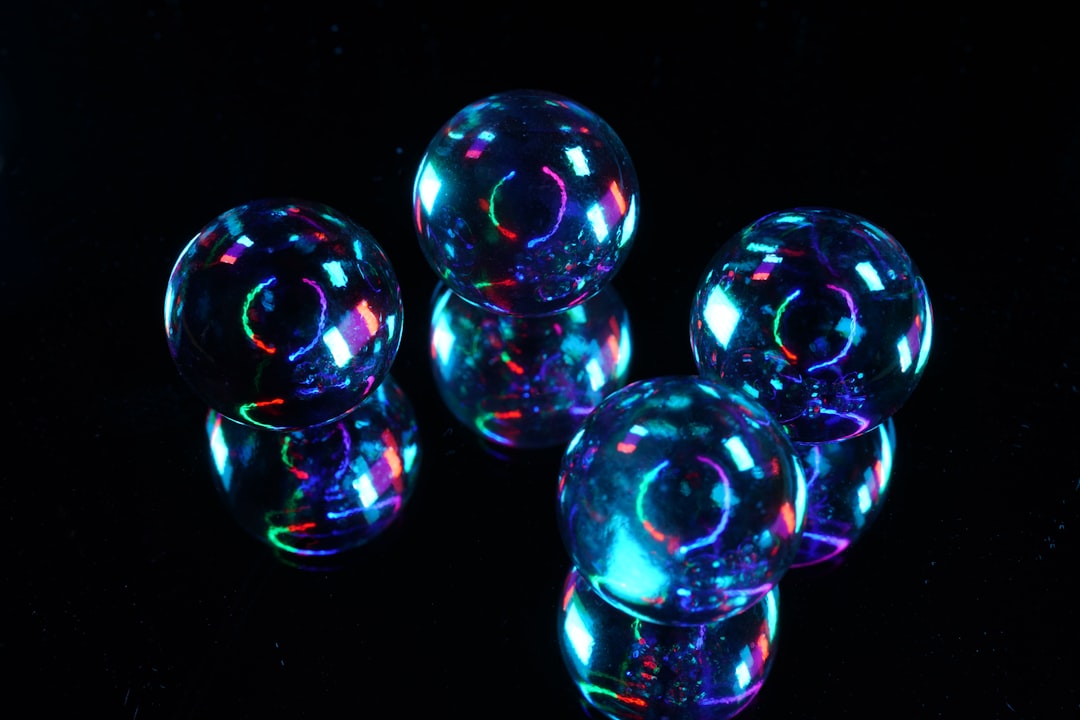
Synchronized bioluminescent displays occur when multiple organisms emit light in coordinated patterns. These phenomena are commonly observed in marine environments, where certain species of plankton, jellyfish, and other organisms produce light simultaneously, creating visually striking effects. The synchronization of these light emissions raises important scientific questions about the mechanisms that enable this behavior and the ecological functions these organisms serve.
Beyond their visual appeal, synchronized bioluminescent displays demonstrate the complexity and interdependence of organisms within ecosystems. The ability of these creatures to coordinate light production indicates a sophisticated form of biological communication and interaction. Research into synchronized bioluminescence has revealed important information about the biological and environmental factors that drive this behavior.
As scientists continue to study these phenomena, they gain insights into the mechanisms of bioluminescence and how these processes contribute to broader ecological relationships and dynamics.
Key Takeaways
- Synchronized luminous spheres are a natural phenomenon involving coordinated light displays, often observed in marine environments.
- Historical and cultural narratives have long documented these spheres, attributing various folklore and symbolic meanings to them.
- Scientific research explores the biological and environmental mechanisms behind the synchronization of these glowing spheres.
- Bioluminescence plays a crucial role in the formation and synchronization of luminous spheres, influenced by environmental factors like water conditions.
- Understanding synchronized luminous spheres offers insights into marine ecosystems, inspires artistic expression, and guides future scientific exploration.
Historical Accounts and Folklore Surrounding Synchronized Luminous Spheres
Throughout history, synchronized luminous spheres have been woven into the fabric of folklore and mythology across various cultures. Ancient civilizations often interpreted these glowing phenomena as omens or messages from the divine. For instance, in some coastal communities, the appearance of bioluminescent waves was believed to signal good fortune or a bountiful catch for fishermen.
Such interpretations reflect humanity’s enduring fascination with natural wonders and the tendency to attribute meaning to extraordinary occurrences. Folklore surrounding synchronized luminous spheres often includes tales of spirits or mythical creatures associated with the light. In many cultures, these glowing entities were thought to be manifestations of souls or guardians of the sea, guiding sailors through treacherous waters.
These stories not only highlight the cultural significance of luminous spheres but also illustrate how human beings have historically sought to understand and explain the mysteries of nature through narrative. As modern science continues to unravel the complexities behind these phenomena, it becomes evident that they have long inspired wonder and reverence in human societies. You can learn more about the Patrick Jackson theory by watching this detailed explanation on
The scientific exploration of synchronized luminous spheres has gained momentum in recent years, driven by advancements in technology and a growing interest in marine biology. Researchers employ various methods, including underwater cameras and remote sensing technologies, to observe and document these phenomena in their natural habitats. By studying the conditions under which synchronization occurs, scientists aim to uncover the biological mechanisms that enable organisms to emit light in concert.
One area of focus is the role of chemical signals in facilitating synchronization among bioluminescent organisms. Studies have shown that certain species can detect light emitted by their neighbors and adjust their own light emissions accordingly. This phenomenon raises questions about the evolutionary advantages of synchronization, such as enhanced predator avoidance or improved mating opportunities.
As researchers continue to investigate these dynamics, they contribute to a deeper understanding of how life forms interact within their ecosystems and adapt to environmental challenges.
Theories and Explanations for the Synchronization of Luminous Spheres
Several theories have emerged to explain the synchronization observed in luminous spheres, each offering insights into the complex interplay between biology and environment. One prominent theory posits that synchronization serves as a survival mechanism for bioluminescent organisms. By emitting light simultaneously, these organisms may confuse predators or attract mates more effectively.
This collective behavior could enhance their chances of survival and reproduction, thereby influencing evolutionary trajectories. Another theory suggests that environmental factors play a crucial role in synchronization. For instance, water temperature, salinity, and nutrient availability can impact the behavior of bioluminescent organisms.
Changes in these environmental conditions may trigger synchronized light displays as a response to stressors or opportunities within their habitat. Understanding these relationships is essential for comprehending how synchronized luminous spheres function as indicators of ecosystem health and resilience.
The Role of Bioluminescence in Synchronized Luminous Spheres
| Metric | Description | Value | Unit | Measurement Method |
|---|---|---|---|---|
| Number of Spheres | Total count of luminous spheres in the system | 12 | units | Visual count via high-speed camera |
| Synchronization Frequency | Frequency at which spheres pulse in unison | 2.5 | Hz | Fourier analysis of light intensity signals |
| Phase Difference | Average phase difference between spheres | 5 | degrees | Cross-correlation of light emission timing |
| Luminous Intensity | Average brightness of each sphere | 150 | cd (candela) | Photometric sensor readings |
| Radius of Spheres | Physical size of each luminous sphere | 0.05 | meters | Caliper measurement |
| Distance Between Spheres | Average spacing between adjacent spheres | 0.3 | meters | Laser rangefinder |
| Light Emission Duration | Time each sphere remains illuminated per cycle | 0.4 | seconds | High-speed video frame analysis |
| Ambient Light Level | Background illumination during experiment | 20 | lux | Lux meter |
Bioluminescence is a fascinating biological phenomenon that underpins the existence of synchronized luminous spheres. This natural light production occurs through biochemical reactions within certain organisms, primarily involving luciferin and luciferase enzymes. The ability to produce light serves various purposes, from attracting prey to deterring predators.
In the context of synchronization, bioluminescence becomes a powerful tool for communication among species. The role of bioluminescence extends beyond mere illumination; it is intricately linked to survival strategies within marine ecosystems. For example, some species utilize synchronized light displays as a means of coordinating group behaviors during feeding or mating rituals.
This collective action not only enhances individual success but also fosters social bonds among members of a species. As researchers continue to explore the intricacies of bioluminescence, they uncover its multifaceted roles in shaping interactions within marine communities.
The Influence of Environmental Factors on Synchronized Luminous Spheres
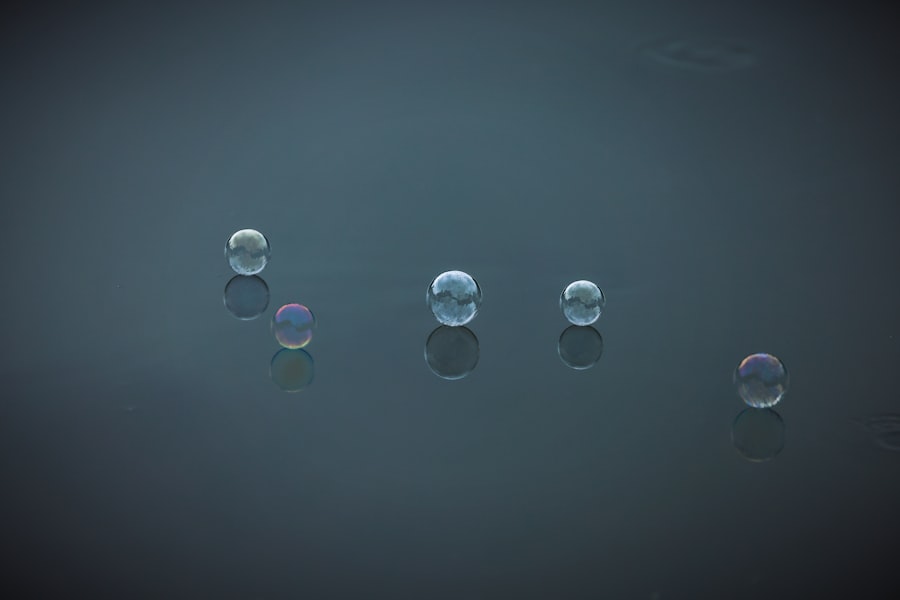
Environmental factors significantly influence the occurrence and intensity of synchronized luminous spheres. Variations in water temperature, salinity, and nutrient levels can affect the distribution and behavior of bioluminescent organisms. For instance, warmer waters may promote increased metabolic rates, leading to heightened bioluminescent activity during specific seasons or events.
Conversely, changes in nutrient availability can trigger blooms of bioluminescent plankton, resulting in spectacular displays along coastlines. Additionally, human activities such as pollution and climate change pose threats to the delicate balance of marine ecosystems where synchronized luminous spheres thrive. Alterations in water quality can disrupt the growth patterns of bioluminescent organisms, potentially diminishing their populations and affecting their ability to synchronize effectively.
Understanding these environmental influences is crucial for conservation efforts aimed at preserving both the beauty and ecological significance of synchronized luminous spheres.
The Potential Implications of Synchronized Luminous Spheres on Marine Ecosystems
The presence of synchronized luminous spheres carries profound implications for marine ecosystems. These phenomena serve as indicators of ecological health, reflecting the intricate relationships between various species and their environments. When bioluminescent organisms thrive and exhibit synchronized behavior, it often signifies a balanced ecosystem with adequate resources and favorable conditions.
Moreover, synchronized luminous spheres can influence predator-prey dynamics within marine food webs. The collective light displays may serve as a deterrent to predators or attract larger species that feed on smaller bioluminescent organisms. This interplay highlights the interconnectedness of life forms within marine ecosystems and underscores the importance of preserving biodiversity to maintain ecological stability.
The Cultural and Artistic Significance of Synchronized Luminous Spheres
Beyond their scientific intrigue, synchronized luminous spheres hold cultural and artistic significance across various societies. Artists have long drawn inspiration from these ethereal displays, incorporating them into literature, visual arts, and performance. The enchanting beauty of synchronized light has been depicted in paintings, poetry, and dance, capturing the imagination of audiences worldwide.
Culturally, synchronized luminous spheres often symbolize hope, mystery, and connection to nature. They evoke feelings of wonder and reverence for the natural world, prompting individuals to reflect on their relationship with the environment. As societies grapple with environmental challenges, these luminous phenomena serve as reminders of nature’s resilience and beauty, inspiring movements aimed at conservation and sustainability.
Observing and Documenting Synchronized Luminous Spheres in the Natural World
Observing synchronized luminous spheres requires patience and an understanding of their natural habitats.
Equipped with specialized equipment such as underwater cameras and sensors, they meticulously document these phenomena to gain insights into their behavior and ecological significance.
Citizen science initiatives have also emerged, encouraging individuals to participate in documenting synchronized luminous spheres in their local environments. By sharing observations through online platforms or community projects, enthusiasts contribute valuable data that can aid scientific research while fostering a sense of connection to nature. This collaborative approach not only enhances understanding but also cultivates appreciation for the wonders of bioluminescence.
The Future of Research and Exploration into Synchronized Luminous Spheres
The future of research into synchronized luminous spheres holds great promise as scientists continue to explore this captivating phenomenon. Advances in technology, such as high-resolution imaging and genetic sequencing techniques, are expected to unveil new dimensions of understanding regarding bioluminescent organisms and their behaviors. Researchers are increasingly focused on unraveling the genetic basis for bioluminescence and synchronization, which could lead to groundbreaking discoveries in fields ranging from ecology to biotechnology.
Moreover, interdisciplinary collaborations between marine biologists, ecologists, artists, and conservationists are likely to shape future explorations into synchronized luminous spheres. By integrating diverse perspectives and expertise, researchers can develop holistic approaches to studying these phenomena while addressing pressing environmental issues facing marine ecosystems today.
The Mystique and Wonder of Synchronized Luminous Spheres
Synchronized luminous spheres embody a sense of mystique that transcends scientific inquiry; they evoke wonderment about the natural world and humanity’s place within it. These ethereal displays remind observers of nature’s capacity for beauty and complexity while inviting contemplation about life’s interconnectedness. As individuals witness these mesmerizing phenomena firsthand or through artistic representations, they are often left with a profound sense of awe.
In an age marked by rapid technological advancement and environmental challenges, synchronized luminous spheres serve as beacons of hope and inspiration. They encourage individuals to reconnect with nature, fostering appreciation for its wonders while motivating efforts toward conservation and sustainability. Ultimately, the allure of synchronized luminous spheres lies not only in their visual splendor but also in their ability to ignite curiosity about the mysteries that lie beneath the surface of our oceans and within our shared planet.
In recent studies of synchronized luminous spheres, researchers have uncovered intriguing patterns that suggest a deeper connection between these phenomena and various environmental factors.