
The proposition of mapping the genetic inheritance of those who report Unidentified Flying Object (UFO) sightings presents a complex, multi-faceted challenge, deeply rooted in the intersection of anecdotal evidence, psychological predispositions, and, hypothetically, an underlying biological component. While the scientific community largely remains skeptical of direct links between genetics and the perception or reporting of anomalous aerial phenomena, the exploration of such a hypothesis, however speculative, can offer insights into human cognition, social dynamics, and the persistent allure of the unknown.
This article aims to systematically deconstruct this intriguing, albeit unconventional, research avenue. It will delve into the methodologies that would need to be employed, the potential hurdles that must be overcome, and the broader implications of any findings that might emerge. The focus will remain on a grounded, analytical approach, acknowledging the inherent difficulties and avoiding unsubstantiated claims.
Before any genetic mapping can be contemplated, a rigorous definition of the “subject” is paramount. The very act of reporting a UFO sighting is subjective and influenced by a multitude of factors, making the selection of a study population a critical first step. This section will explore the challenges in establishing a reliable and consistent cohort for such research.
Operationalizing “UFO Sighting”
The term “UFO sighting” itself is broad and often loaded with cultural baggage. It can encompass everything from misidentified aircraft and atmospheric phenomena to elaborate hoaxes and genuine, yet unexplained, observations. For any genetic study, a precise operational definition would be required.
Differentiating Observation from Interpretation
A key distinction must be made between the initial sensory experience and the subsequent interpretation of that experience. Is the focus on individuals who report seeing something “unusual” or solely those who categorize it as an “unidentified flying object” with a presumed extraterrestrial origin? The latter introduces a layer of cognitive framing that may itself be influenced by external factors rather than purely biological ones.
Establishing Credibility and Verifiability
The reliability of self-reported data is notoriously difficult to assess. In a genetic study, the accuracy of the reported experience becomes crucial. How would researchers sift through accounts to identify those that are more likely to represent genuine, albeit unexplained, perceptions versus those that are the product of fantasy, delusion, or deliberate fabrication? This would necessitate a multi-disciplinary approach, potentially involving psychological evaluations, corroboration with other witnesses, and analysis of any available physical evidence, however scarce.
The Case for a “Sighting Trait”
The premise of genetic inheritance implies a heritable trait. For UFO sightings, this “trait” would need to be theorized. Is it a predisposition to heightened visual acuity, a heightened susceptibility to pareidolia (seeing patterns in random stimuli), an inherent curiosity about the unknown, or something more direct related to anomalous perception?
Exploring Potential Cognitive Endophenotypes
Instead of a direct gene for “UFO sighting,” researchers might look for endophenotypes – observable traits that are downstream from genetic influence and may be indicators of a predisposition. This could include measures of attention, pattern recognition, suggestibility, or even personality traits like openness to experience or a tendency towards sensationalism. The challenge lies in identifying endophenotypes that are demonstrably linked to the reporting of anomalous aerial phenomena.
The Influence of Environmental and Social Factors
It is crucial to acknowledge that even if a genetic predisposition exists, it would likely operate within a complex interplay of environmental and social factors. The cultural prevalence of UFO narratives, media portrayals, and peer group influences could all shape an individual’s interpretation of ambiguous stimuli and their willingness to report unusual observations. A genetic study would need to control for, or attempt to disentangle, these significant confounding variables.
In exploring the intriguing intersection of genetics and inheritance mapping, one might find it fascinating to consider how these scientific principles could apply to the study of unidentified flying objects (UFOs) and their potential origins. A related article that delves into this unique topic can be found at XFile Findings, where researchers examine the possibility of genetic markers in extraterrestrial life forms and how these might influence our understanding of UFO phenomena. This exploration not only broadens the scope of genetic research but also invites a deeper discussion on the implications of such findings in the context of human history and our place in the universe.
Methodological Frameworks: Designing the Genetic Investigation
Should a sufficiently defined cohort be established, the next hurdle is designing an appropriate genetic investigation. This section will outline potential methodologies, acknowledging their limitations and the ethical considerations involved.
Population Genetics and Association Studies
The most conventional approach would involve comparing the genetic makeup of individuals who report UFO sightings with that of control groups.
Genome-Wide Association Studies (GWAS)
A GWAS would examine the entire genome of individuals in both groups, looking for single nucleotide polymorphisms (SNPs) or other genetic variations that are statistically more common in the sighting group. This approach is computationally intensive and requires large sample sizes to detect statistically significant associations, especially for complex traits influenced by multiple genes.
Candidate Gene Approaches
Alternatively, researchers might hypothesize specific genes or gene pathways involved in cognitive functions or sensory perception that could be relevant. This would involve sequencing or genotyping those specific genes in the sighting population and controls. However, the justification for selecting such candidate genes would need to be robust and grounded in existing biological understanding.
Twin and Family Studies
To assess heritability directly, twin and family studies could be employed. Comparing the concordance rates of UFO sighting reports among identical (monozygotic) twins versus fraternal (dizygotic) twins, or across different degrees of genetic relatedness within families, could provide an estimate of the genetic contribution to the trait. This would require obtaining accurate sighting histories from multiple family members, which presents its own logistical and reporting challenges.
Epigenetic Investigations: Beyond the DNA Sequence
Beyond the DNA sequence itself, epigenetic modifications – changes in gene expression that are not caused by alterations in the underlying DNA sequence – could also play a role.
DNA Methylation Studies
DNA methylation patterns can be influenced by environmental factors and can alter gene expression. Examining methylation differences between sighting and control groups could reveal how environmental exposures, potentially interacting with genetic predispositions, might impact the likelihood of reporting anomalous phenomena.
MicroRNA Analysis
MicroRNAs (miRNAs) are small RNA molecules that regulate gene expression. Investigating differences in miRNA profiles between groups could identify regulatory pathways that might be implicated in perceptual or cognitive differences related to UFO sightings.
The Challenge of Data Collection and Sampling Bias
Any genetic study is critically dependent on the quality and representativeness of the data collected. The unique nature of UFO sighting reports presents significant obstacles.
Recruitment Bias and Self-Selection
Individuals who are more inclined to report UFO sightings may also be more predisposed to participate in studies related to them. This self-selection bias can skew results, making it difficult to generalize findings to a broader population. Ethical recruitment strategies would need to be carefully considered to mitigate this.
Geographical and Socioeconomic Stratification
The prevalence of UFO reporting might vary geographically and socioeconomically. Ensuring a diverse and representative sample that accounts for these variations is essential to avoid misleading correlations.
The Absence of a Diagnostic Standard
Unlike many medical genetic studies, there is no objective diagnostic standard for “having a UFO sighting.” The subjective nature of the report makes it difficult to establish a consistent and unbiased sampling methodology.
Potential Genetic Mechanisms: Hypothesizing Biological Pathways
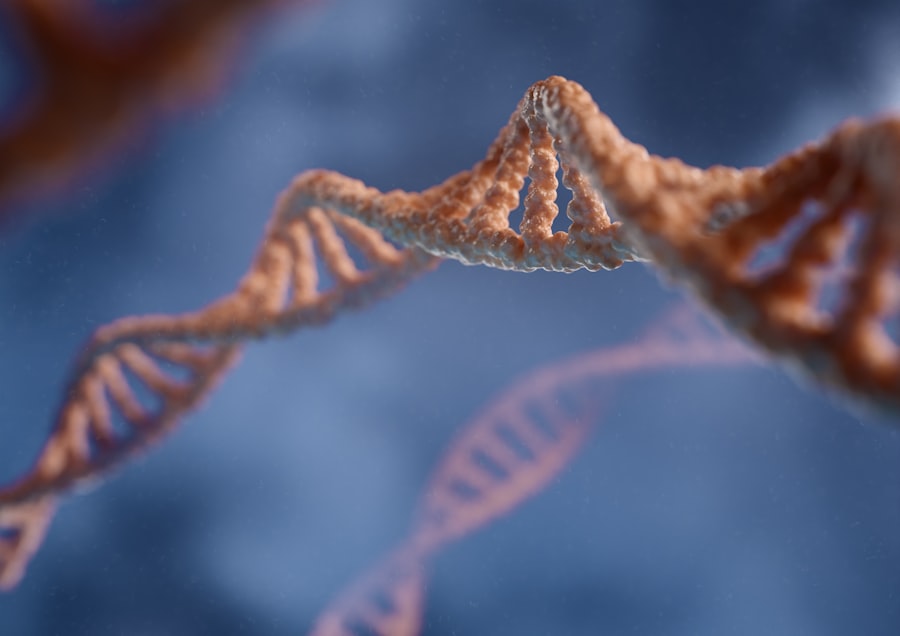
If genetic influences are indeed present, what biological mechanisms might they involve? This section explores hypothetical links between genetics, perception, cognition, and the reporting of anomalous phenomena.
Visual Perception and Processing Anomalies
The initial capture of information during a UFO sighting is primarily visual. Genetic variations influencing visual acuity, contrast sensitivity, or the brain’s interpretation of visual input could be relevant.
Genes Related to Photoreceptor Function
Genes responsible for the development and function of rods and cones in the retina could theoretically influence an individual’s ability to perceive faint lights or subtle visual cues. However, significant anomalies in these genes typically lead to well-defined visual impairments, not necessarily enhanced perception of novel phenomena.
Neural Pathways for Object Recognition
The brain’s complex network for identifying and categorizing objects could also be a target. Genes influencing neurotransmitter systems involved in visual cortex processing, or those dictating the formation and pruning of neural connections, might play a subtle role in how novel visual stimuli are processed and labeled.
Cognitive Predispositions: The Role of the Brain’s Interpreter
Beyond raw sensory input, the cognitive interpretation of that input is crucial. This is where a range of psychological and neurological factors, potentially influenced by genetics, could manifest.
Attention and Vigilance Mechanisms
Individuals with genetic variations that influence sustained attention or vigilance might be more likely to notice subtle or unusual events occurring in their environment, especially during periods of low activity or in peripheral vision.
Pattern Recognition and Pareidolia Susceptibility
The human brain is wired to find patterns. Variations in genes related to the brain’s predisposition for pareidolia – the tendency to perceive meaningful patterns in random or ambiguous stimuli – could unconsciously influence the interpretation of fleeting lights or indistinct shapes as structured objects.
Memory Formation and Recall Accuracy
The accuracy of memory for events, especially unusual ones, can be highly variable. Genetic factors influencing the mechanisms of memory encoding, consolidation, and retrieval could impact how individuals recall and recount their experiences. This could include susceptibility to confabulation or the incorporation of external information into personal memories.
Personality Traits and Susceptibility to Suggestion
Certain personality traits, which have a demonstrable heritable component, might correlate with a higher likelihood of reporting UFO sightings.
Openness to Experience
Individuals scoring high on “openness to experience” often exhibit a greater willingness to consider unconventional ideas, are more imaginative, and are more inclined to report unusual or fantastical experiences. Genes associated with dopamine pathways, which are implicated in reward and novelty seeking, have been linked to this personality dimension.
Suggestibility and Belief Formation
The degree to which an individual is susceptible to suggestion, or the ease with which they form strong beliefs, could also be genetically influenced. This might interact with pre-existing cultural narratives surrounding UFOs, leading to the adoption of an “extraterrestrial” explanation for ambiguous sightings.
Ethical and Societal Implications: Navigating the Unknown

The pursuit of a genetic link to UFO sightings, even if scientifically tenuous, carries significant ethical and societal implications that demand careful consideration. This section explores these complexities.
Stigmatization and Misinterpretation of Findings
The potential for misinterpreting or misusing genetic findings is substantial.
Pathologizing Witnesses
A poorly communicated genetic link could lead to the stigmatization of individuals who report UFO sightings, framing them as genetically predisposed to delusion or altered perception rather than as observers of potentially genuine, yet unexplained, phenomena. This could deter reporting and foster distrust in scientific inquiry.
Perpetuating Misconceptions
Conversely, sensationalized reporting of any potential genetic link, however preliminary, could be exploited to lend undue scientific credence to unsubstantiated claims of extraterrestrial visitation, further muddying the waters of scientific understanding.
The “Hollow Gene” Fallacy in Scientific Discourse
The pursuit of specific genes for complex phenomena like UFO sightings can fall prey to the “hollow gene” fallacy – the belief that a single gene can explain a complex trait. It is far more likely that any genetic influence would be polygenic, involving the intricate interplay of numerous genes, each with a very small effect size, interacting with a multitude of environmental factors. Overemphasis on individual genes risks oversimplification and the misallocation of research resources.
The Role of Genetics in Understanding Human Experience of the Anomalous
Despite the specific focus on UFOs, the underlying research question touches upon a broader scientific interest in understanding how humans perceive and react to the anomalous.
Understanding Cognitive Biases in Perception
Investigating potential genetic influences on traits like pareidolia, confirmation bias, or suggestibility can contribute to a more nuanced understanding of human cognition and the development of perceptual biases, which are relevant across many fields of study.
The Psychology of Belief and Extraordinary Claims
Exploring the genetic underpinnings of personality traits and cognitive styles that may predispose individuals to belief in extraordinary claims can provide valuable insights into the formation and maintenance of beliefs, a fundamental aspect of human psychology.
In recent discussions surrounding the intriguing intersection of genetics and unexplained phenomena, a fascinating article delves into the concept of inheritance mapping in relation to UFO sightings. This piece explores how genetic predispositions might influence individuals’ experiences with unidentified flying objects, suggesting a potential link between hereditary traits and encounters with the unknown. For more insights on this captivating topic, you can read the full article at X File Findings.
Future Directions and Concluding Remarks: Towards a More Informed Inquiry
| Category | Data/Metric |
|---|---|
| Genetic Review | Percentage of genes reviewed |
| Inheritance Mapping | Number of inheritance patterns identified |
| UFOs | Number of reported sightings |
Given the speculative nature of this proposition, any future research must proceed with extreme caution, methodological rigor, and a clear understanding of its limitations. This section will offer a perspective on how such research, if pursued, could be conducted more effectively and what its ultimate contribution might be.
Interdisciplinary Collaboration as a Prerequisite
A successful investigation into any potential genetic component of UFO sightings would necessitate unprecedented collaboration between geneticists, psychologists, astrophysicists, sociologists, and potentially even anthropologists. This shared expertise would be vital for defining the research questions, designing appropriate methodologies, and interpreting the complex interplay of genetic, psychological, and environmental factors.
Focusing on Specific Perceptual or Cognitive Differences
Instead of directly aiming to map genes for “UFO sightings,” future research might fruitfully focus on understanding the genetic basis of specific perceptual or cognitive differences that could be incidentally related to the reporting of anomalous aerial phenomena. For instance, researching genetic predispositions for heightened visual sensitivity in low-light conditions or for specific types of pattern recognition, and then exploring whether these predispositions correlate with reported experiences of visually ambiguous phenomena, might be a more scientifically tractable approach.
The Importance of Null Findings and Replication
It is crucial to emphasize the scientific value of null findings. Demonstrating the absence of a genetic link is as scientifically important as identifying one. Furthermore, any positive findings would require rigorous replication by independent research teams before any conclusions could be drawn. The history of genetics is replete with initial findings that did not stand up to scrutiny.
A Broader Perspective: Genetics and the Human Capacity for Wonder
Ultimately, the exploration of a genetic link to UFO sightings, while perhaps a fringe area of inquiry, touches upon the profound human capacity for wonder, curiosity, and the persistent search for meaning in the vastness of the universe. While direct genetic mapping of such experiences may prove elusive, the journey of scientific inquiry itself, in its pursuit of understanding even the most unconventional hypotheses, contributes to our broader knowledge of human perception, cognition, and our enduring fascination with the unexplained. The value lies not solely in the discovery of a specific genetic link, but in the scientific thought process undertaken to explore such a possibility, refining our understanding of what it means to be a perceiving, interpreting, and reporting human being in the world.
FAQs
What is genetic inheritance mapping?
Genetic inheritance mapping is a technique used to identify the location of genes on a chromosome and understand how certain traits or diseases are inherited within a family.
What is the significance of genetic inheritance mapping?
Genetic inheritance mapping helps researchers and scientists understand the genetic basis of various traits and diseases, which can lead to the development of targeted treatments and interventions.
What are UFOs?
UFOs, or Unidentified Flying Objects, are objects or phenomena observed in the sky that are not readily identifiable as known objects or natural phenomena.
What is the connection between genetic inheritance mapping and UFOs?
There is no direct connection between genetic inheritance mapping and UFOs. These are two separate and unrelated topics.
What are some common misconceptions about genetic inheritance mapping and UFOs?
Common misconceptions about genetic inheritance mapping include the belief that it can predict an individual’s future health with certainty. Misconceptions about UFOs often involve the assumption that they are extraterrestrial spacecraft, despite lack of concrete evidence.