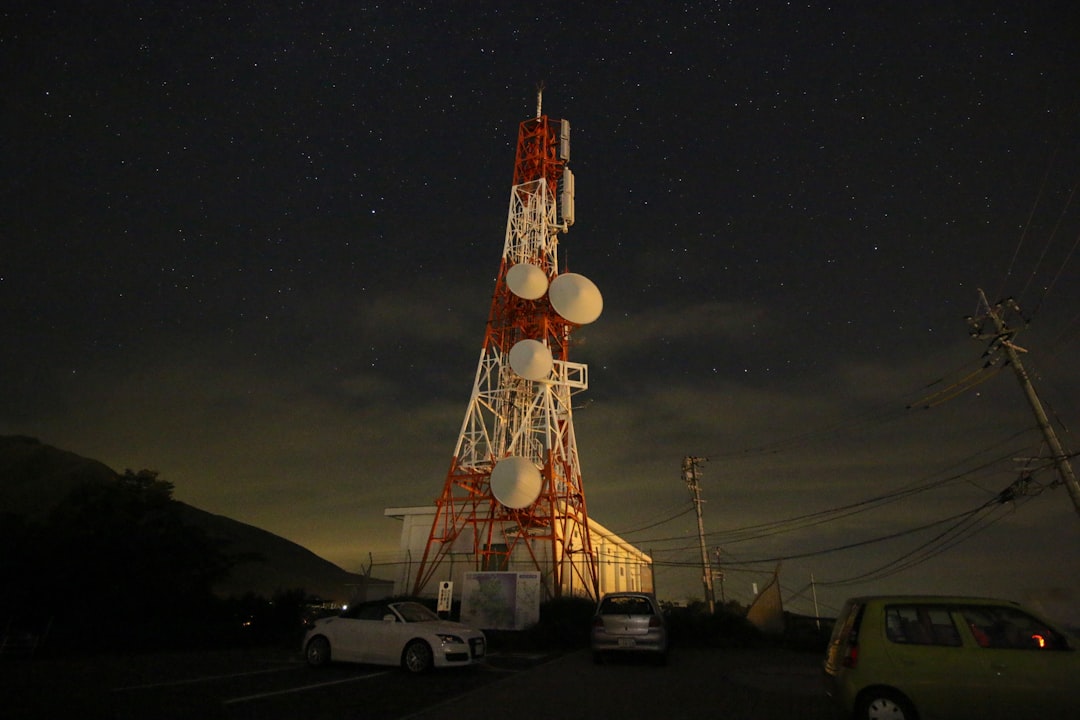
Earth’s atmosphere contains numerous radio signals that scientists continue to study and analyze. Radio waves serve as important tools for understanding both terrestrial processes and astronomical phenomena. Various radio emissions originating from Earth have prompted scientific investigations to determine their sources and characteristics.
Radio signals detected in Earth’s environment include both natural phenomena and human-generated transmissions. Natural sources include lightning discharges, which produce radio waves across multiple frequencies, and interactions between solar wind and Earth’s magnetosphere. Human activities contribute significantly to the radio spectrum through telecommunications, broadcasting, radar systems, and electronic devices.
Scientific research into radio signals contributes to multiple fields including atmospheric physics, space weather monitoring, and radio astronomy. Researchers use specialized equipment to distinguish between different signal types and identify their origins. This work supports practical applications such as improving communication systems, monitoring space weather events that can affect technology, and advancing our understanding of electromagnetic phenomena in planetary atmospheres.
The analysis of radio emissions also aids astronomical research by helping scientists differentiate between terrestrial interference and genuine cosmic signals. This distinction is essential for radio astronomy observations and the search for natural radio sources in space. Continued study of Earth’s radio environment provides valuable data for both fundamental research and technological development.
Key Takeaways
- Earth’s mysterious radio signals have been detected and studied over decades, revealing various types and origins.
- Advanced technology plays a crucial role in capturing and analyzing these enigmatic signals.
- Theories about their origin range from natural phenomena to potential extraterrestrial sources.
- Understanding these signals could impact our knowledge of Earth, space, and the possibility of alien life.
- Ongoing research faces challenges but holds promise for future discoveries that may reshape humanity’s view of the universe.
History of Discovering Earth’s Mysterious Radio Signals
The journey into the realm of Earth’s mysterious radio signals began in the early 20th century with the advent of radio technology. Pioneers like Guglielmo Marconi and Nikola Tesla laid the groundwork for wireless communication, inadvertently opening the door to the exploration of radio waves in the natural world. As technology advanced, scientists began to detect unusual radio emissions that could not be easily explained by conventional means.
These early discoveries set the stage for a deeper investigation into the nature of these signals. In the decades that followed, significant milestones marked the evolution of this field. The discovery of pulsars in the 1960s by Jocelyn Bell Burnell and Antony Hewish was a turning point, revealing that celestial bodies could emit regular radio pulses.
This finding not only expanded the understanding of astrophysical phenomena but also raised questions about other potential sources of radio signals. As researchers continued to refine their detection methods, they began to uncover a plethora of mysterious signals originating from both Earth and space, prompting a wave of scientific inquiry that continues to this day.
Types of Earth’s Mysterious Radio Signals
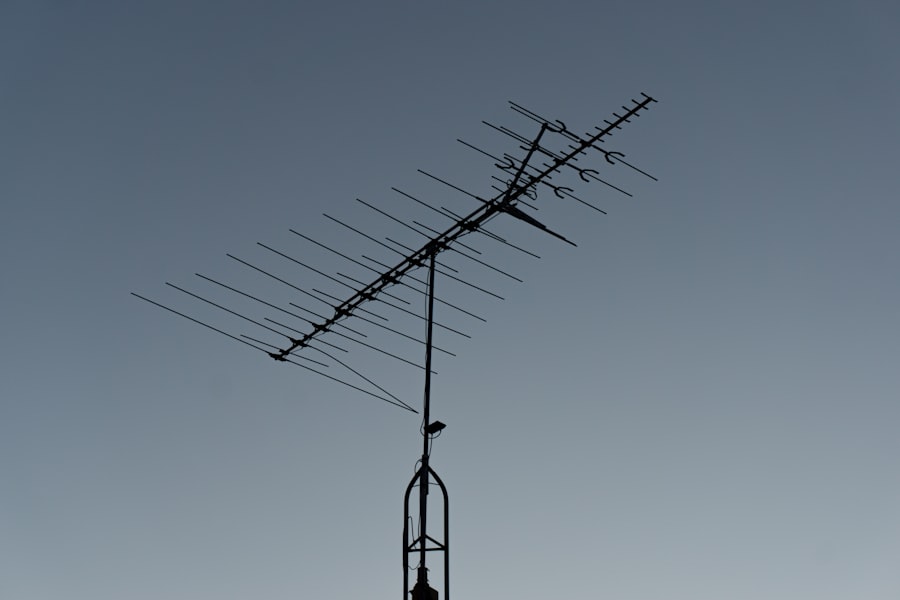
Earth’s mysterious radio signals can be categorized into several distinct types, each with its own characteristics and potential implications. One prominent category includes natural radio emissions generated by atmospheric phenomena such as lightning strikes and auroras. These signals are often transient and can vary in frequency and intensity, providing valuable insights into the dynamics of Earth’s atmosphere.
Another significant type encompasses signals produced by human activity, including those from satellites, communication systems, and even unintended emissions from electronic devices. While these signals are often well understood, they can sometimes overlap with natural emissions, complicating efforts to discern their origins. Additionally, there are unexplained signals that defy categorization, such as fast radio bursts (FRBs) and other anomalous emissions detected by radio telescopes.
These enigmatic signals challenge scientists to rethink their understanding of radio wave propagation and the sources that generate them.
Theories on the Origin of Earth’s Mysterious Radio Signals
The quest to understand the origins of Earth’s mysterious radio signals has led to a multitude of theories, each attempting to explain the complex tapestry of emissions detected across various frequencies. One prevailing theory posits that many of these signals are generated by natural processes occurring within Earth’s atmosphere. For instance, lightning strikes produce powerful electromagnetic pulses that can be detected as radio waves, while auroras create intricate patterns of emissions as charged particles interact with the magnetic field.
Conversely, some theories suggest that certain signals may originate from extraterrestrial sources or even advanced technological civilizations. The search for extraterrestrial intelligence (SETI) has long been fueled by the hope that unusual radio signals could be evidence of intelligent life beyond Earth. This perspective has led to extensive monitoring of specific frequencies known for their potential to carry messages from distant civilizations.
While no definitive evidence has yet been found, the possibility remains tantalizing and continues to drive research in this area.
The Role of Technology in Studying Earth’s Mysterious Radio Signals
| Metric | Value | Description |
|---|---|---|
| Frequency Range | 400 MHz – 8 GHz | Typical range where mysterious radio signals from space are detected |
| Signal Duration | Milliseconds to Seconds | Length of individual mysterious radio bursts |
| Signal Type | Fast Radio Bursts (FRBs), Pulses | Common classifications of mysterious radio signals |
| Detection Rate | Several per day (globally) | Number of mysterious radio signals detected worldwide daily |
| Source Distance | Millions to Billions of light years | Estimated distance of origin for many mysterious radio signals |
| Polarization | High | Degree of polarization observed in many mysterious radio signals |
| Dispersion Measure | 100 – 3000 pc/cm³ | Indicates the amount of interstellar material the signal has passed through |
| Notable Event | FRB 121102 | First repeating fast radio burst detected |
Advancements in technology have played a pivotal role in enhancing our ability to study Earth’s mysterious radio signals. The development of sophisticated radio telescopes equipped with advanced sensors has revolutionized the field, allowing researchers to capture and analyze signals with unprecedented precision. Instruments such as the Very Large Array (VLA) and the Square Kilometre Array (SKA) have expanded our capacity to detect faint emissions from both terrestrial and celestial sources.
Moreover, data processing techniques have evolved significantly, enabling scientists to sift through vast amounts of information generated by these instruments. Machine learning algorithms and artificial intelligence are increasingly employed to identify patterns within complex datasets, facilitating the discovery of previously unnoticed signals. As technology continues to advance, it opens new avenues for exploration and understanding, propelling research into Earth’s mysterious radio signals into uncharted territories.
Potential Impacts of Earth’s Mysterious Radio Signals on Earth and Space
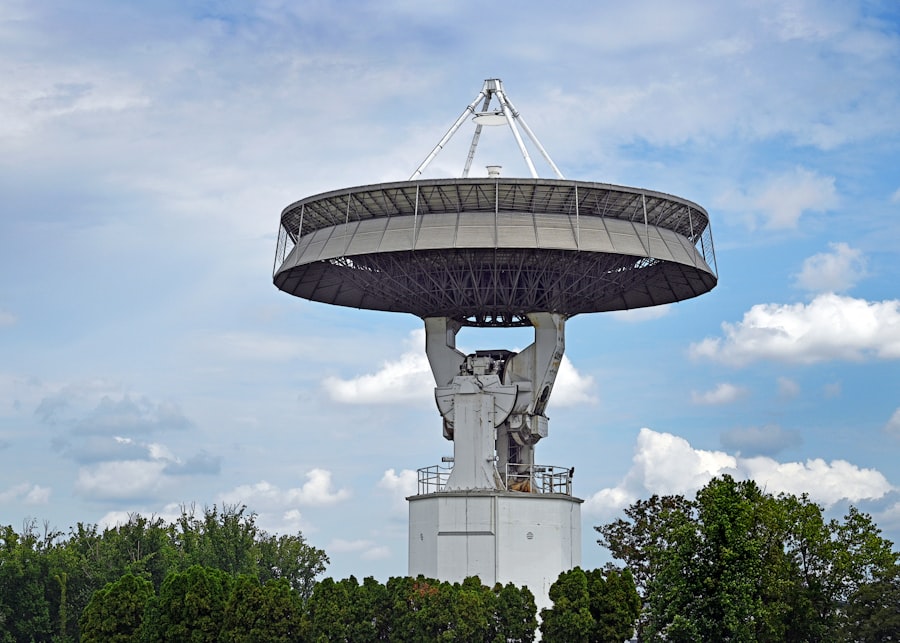
The implications of Earth’s mysterious radio signals extend far beyond mere scientific curiosity; they hold potential consequences for both our planet and the broader cosmos. On Earth, understanding these signals can enhance weather forecasting and disaster management by providing insights into atmospheric phenomena. For instance, improved detection of lightning-related emissions could lead to better predictions of severe weather events, ultimately saving lives and property.
In a cosmic context, deciphering these signals may offer clues about fundamental processes occurring throughout the universe.
Additionally, if any signals are determined to be artificial in origin, they could fundamentally alter humanity’s understanding of its place in the universe and prompt a reevaluation of our approach to space exploration and communication.
Current Research and Studies on Earth’s Mysterious Radio Signals
Current research into Earth’s mysterious radio signals is vibrant and multifaceted, encompassing a wide range of scientific disciplines. Researchers are employing innovative methodologies to investigate both natural and artificial sources of radio emissions. Collaborative efforts among astronomers, atmospheric scientists, and engineers are yielding new insights into the mechanisms behind these signals.
One notable area of focus is the ongoing study of fast radio bursts (FRBs), which have captivated scientists since their discovery in 2007. Researchers are working diligently to pinpoint their origins and understand their underlying mechanisms. Additionally, projects like SETI continue to monitor specific frequencies for potential signs of extraterrestrial intelligence, employing cutting-edge technology to analyze vast datasets for anomalies that could indicate artificial origins.
The Connection Between Earth’s Mysterious Radio Signals and Extraterrestrial Life
The connection between Earth’s mysterious radio signals and the search for extraterrestrial life is a topic that has fascinated scientists and enthusiasts alike for decades. The possibility that some unexplained signals may originate from intelligent civilizations beyond Earth has driven significant research efforts in astrobiology and astrophysics.
While no definitive evidence has yet been found, researchers remain optimistic about the potential for discovery. The vastness of space presents both challenges and opportunities; as technology improves and our understanding deepens, the likelihood of detecting meaningful signals increases. The implications of such a discovery would be profound, reshaping humanity’s understanding of life in the universe and prompting philosophical questions about our place within it.
Challenges in Understanding Earth’s Mysterious Radio Signals
Despite significant advancements in technology and methodology, understanding Earth’s mysterious radio signals remains fraught with challenges. One major hurdle is distinguishing between natural emissions and those generated by human activity or potential extraterrestrial sources. The overlap between these categories can create confusion, making it difficult for researchers to draw definitive conclusions about signal origins.
Additionally, the sheer volume of data generated by modern detection methods poses its own set of challenges. Sifting through vast datasets requires sophisticated algorithms capable of identifying meaningful patterns amidst noise. As researchers strive to refine their techniques, they must also grapple with inherent uncertainties associated with interpreting complex signals that may not fit neatly into existing frameworks.
Future Prospects for Understanding Earth’s Mysterious Radio Signals
The future prospects for understanding Earth’s mysterious radio signals are promising as technology continues to evolve at an unprecedented pace. Upcoming projects like the next-generation Square Kilometre Array (SKA) aim to revolutionize our ability to detect faint emissions from both terrestrial and cosmic sources. With enhanced sensitivity and resolution, these instruments will enable researchers to explore previously inaccessible regions of the electromagnetic spectrum.
Moreover, interdisciplinary collaboration will likely play a crucial role in advancing this field. By bringing together experts from diverse backgrounds—ranging from astrophysics to atmospheric science—researchers can develop holistic approaches to studying these enigmatic signals. As new theories emerge and innovative technologies are deployed, humanity stands on the brink of potentially groundbreaking discoveries that could reshape our understanding of both Earth and the universe.
Conclusion and Implications for Humanity’s Understanding of the Universe
In conclusion, Earth’s mysterious radio signals represent a captivating frontier in scientific exploration that holds profound implications for humanity’s understanding of its place in the universe. From their historical discovery to current research efforts aimed at deciphering their origins, these signals challenge existing paradigms while inspiring curiosity about what lies beyond our planet. As researchers continue to unravel the complexities surrounding these emissions—whether they stem from natural phenomena or hint at extraterrestrial intelligence—their findings will undoubtedly shape future inquiries into fundamental questions about life, existence, and our role within the cosmos.
Ultimately, understanding these mysterious radio signals may not only illuminate aspects of our own planet but also provide insights into the broader tapestry of life across the universe—a quest that resonates deeply with humanity’s innate desire to explore and understand its surroundings.
Recent discoveries of mysterious radio signals from deep space have sparked intrigue among scientists and astronomers alike. These enigmatic signals, which appear to originate from distant galaxies, have led to various theories about their source and significance. For a deeper dive into the implications of these findings, you can read more in this related article on the topic: Mysterious Radio Signals: What We Know So Far.
WATCH THIS! 🛰️125 Years of Hidden Signals: What NASA Just Admitted About the Black Knight Satellite
FAQs
What are mysterious radio signals from Earth?
Mysterious radio signals from Earth refer to unusual or unexplained radio frequency emissions detected by scientists and researchers. These signals often have characteristics that differ from typical human-made transmissions or known natural sources.
How are mysterious radio signals detected?
These signals are detected using radio telescopes and other specialized equipment designed to monitor radio frequencies. Scientists analyze the data to identify signals that stand out due to their strength, pattern, or origin.
What causes mysterious radio signals on Earth?
Causes can vary widely and include natural phenomena such as lightning, solar flares, or atmospheric disturbances, as well as human-made sources like satellites, radar systems, or communication devices. Some signals remain unexplained after thorough investigation.
Are mysterious radio signals from Earth linked to extraterrestrial life?
While some mysterious signals have sparked speculation about extraterrestrial origins, there is currently no confirmed evidence linking these signals to alien life. Most signals have terrestrial explanations or remain unidentified due to limited data.
Why is it important to study mysterious radio signals?
Studying these signals helps improve our understanding of Earth’s environment, atmospheric conditions, and human-made radio interference. It also aids in refining the search for extraterrestrial intelligence by distinguishing between Earth-based and potential alien signals.
Can mysterious radio signals affect everyday technology?
Generally, these signals do not impact everyday technology. However, strong or unusual radio emissions can sometimes interfere with communication systems, navigation, or broadcasting equipment, prompting further investigation.
Where can I learn more about mysterious radio signals from Earth?
Information can be found through scientific publications, space research organizations like NASA or the SETI Institute, and educational resources focused on radio astronomy and atmospheric science.