The sands of Egypt whisper tales of millennia, a vast expanse of time etched into stone and sand. To unravel the rich tapestry of Egyptian history is to embark on a journey through one of humanity’s most enduring and influential civilizations. This is not merely a recounting of pharaohs and pyramids, but an exploration of a society that laid foundations for art, architecture, governance, religion, and scientific inquiry that ripple through the ages. Prepare to delve into the depths of this ancient land, to trace the threads of its past and understand the enduring legacy it has woven into the fabric of human civilization.
The very genesis of Egyptian civilization is a story of unification, a process that transformed disparate settlements along the Nile into a single, powerful entity. Before the grand monuments of Giza pierced the horizon, the land was a patchwork of competing chiefdoms, each with its own identity. The eventual consolidation of Upper and Lower Egypt, traditionally attributed to King Narmer (or Menes) around 3100 BCE, marked a pivotal turning point. This act of unification was not merely a political maneuver; it was the ignition of a civilization that would flourish for over three thousand years. This era, the Early Dynastic Period, laid the groundwork for the sophisticated administrative structures and religious ideologies that would define subsequent millennia.
The Significance of the Nile
The lifeblood of Egypt, the Nile River, was far more than a geographical feature; it was the orchestrator of agricultural bounty and the conduit of civilization. Its predictable annual inundation fertilized the land, allowing for surplus food production, which in turn freed a portion of the population to pursue specialized crafts, scholarship, and monumental construction. The river connected Upper and Lower Egypt, facilitating trade and communication. Its very cyclical nature, reflecting the rhythm of life, death, and rebirth, profoundly influenced Egyptian religious beliefs. Imagine the Nile as the central nervous system of ancient Egypt, pulsing with life and connecting every part of the organism.
The Emergence of Hieroglyphs
The development of hieroglyphic writing stands as one of the most significant intellectual achievements of the Early Dynastic Period. This complex system of pictorial symbols, initially used for administrative and religious purposes, allowed for the recording of laws, religious texts, historical events, and royal decrees. It was the key that unlocked the door to understanding the minds and aspirations of the ancient Egyptians. The ability to record and transmit knowledge across generations was crucial in building and sustaining a complex society. The Rosetta Stone, a later discovery, would prove to be the vital cipher that allowed modern scholars to finally read these ancient words, unlocking centuries of lost knowledge.
The Foundation of Royal Power
The early pharaohs established a divinely sanctioned monarchy. The concept of the pharaoh as a divine intermediary, a god on Earth, bestowed immense authority and responsibility. This ideology was crucial in maintaining social cohesion and justifying the immense resources mobilized for state projects. The development of elaborate burial practices, foreshadowing the grandeur of later pyramids, also reflects the emphasis placed on the pharaoh’s eternal power and his role in ensuring the prosperity of the land.
Egyptian history is rich and complex, encompassing thousands of years of civilization, culture, and innovation. For those interested in exploring this fascinating subject further, a related article can be found at XFile Findings, which delves into the archaeological discoveries that continue to reshape our understanding of ancient Egypt. This resource provides insights into recent findings and their implications for our knowledge of Egyptian society, religion, and daily life.
The Age of the Pyramids: The Old Kingdom and Divine Rulers
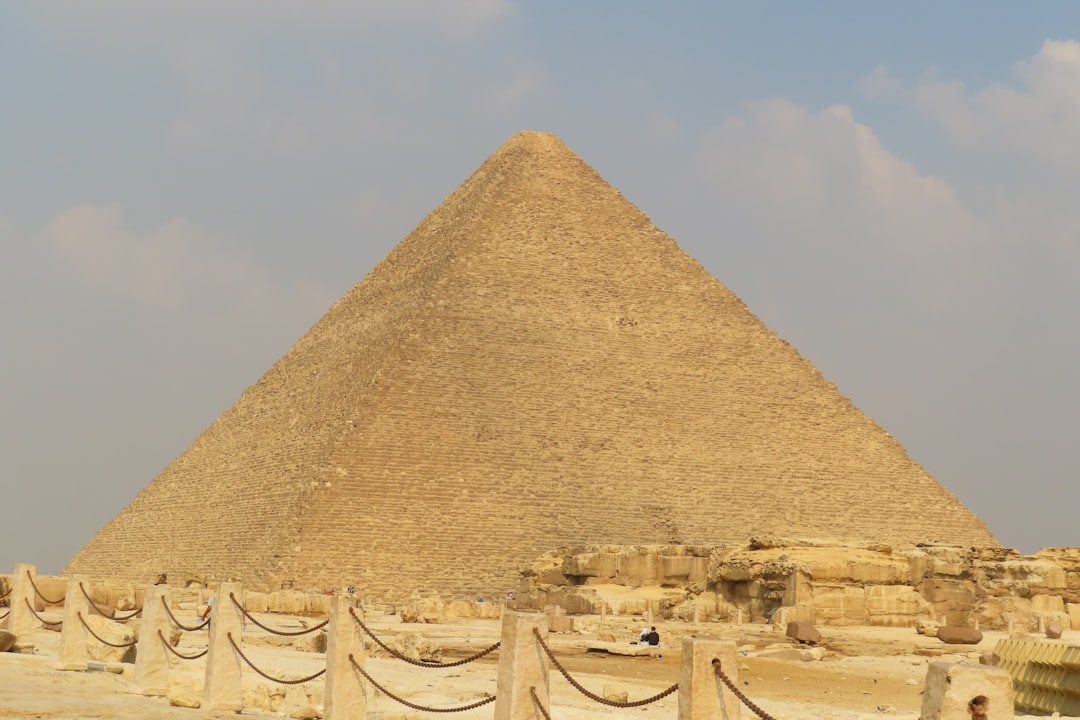
The Old Kingdom (c. 2686–2181 BCE) is perhaps the most iconic period of ancient Egyptian history, synonymous with the construction of the colossal pyramids. These monumental structures, particularly those at Giza, are not merely tombs for pharaohs; they are enduring testaments to the organizational capacity, engineering prowess, and profound religious beliefs of the time. This era saw the consolidation of centralized power, the establishment of a sophisticated bureaucracy, and a flourishing of art and architecture, all driven by the imperative of ensuring the pharaoh’s successful transition to the afterlife and his continued benevolent influence over Egypt.
The Great Pyramids of Giza
The pyramids of Giza, built for Khufu, Khafre, and Menkaure, represent the zenith of Old Kingdom architectural ambition. The sheer scale and precision of their construction continue to astound. The Great Pyramid of Giza, the largest, was the tallest man-made structure in the world for over 3,800 years. Their construction involved the mobilization of vast labor forces, intricate logistical planning, and a deep understanding of geometry and engineering. These structures were not built by slaves, as often depicted, but by skilled laborers and a conscripted workforce, compensated for their efforts.
The Role of the Vizier and Administration
The smooth functioning of the Old Kingdom state depended on a highly organized bureaucracy, overseen by the vizier. This chief minister was the pharaoh’s right-hand man, responsible for managing the economy, judiciary, and public works. The development of nome officials, governors of provinces, ensured that royal authority was exercised throughout the land. This administrative framework was as crucial to Egypt’s stability as the pharaoh’s divine status. It was like the intricate clockwork that kept the grand monument of Egyptian society ticking.
The Development of Funerary Cults
The construction of pyramids was intimately linked to the development of complex funerary cults. These cults were dedicated to the deceased pharaohs, providing for their sustenance and worship in the afterlife. Vast temple complexes, often built adjacent to the pyramids, housed priests and administrative staff whose sole purpose was to maintain the pharaoh’s ka (life force) and ensure his continued beneficent influence on Egypt. This concept of the pharaoh’s eternal presence shaped much of Egyptian thought and practice.
Artistic Flourishing and Symbolism
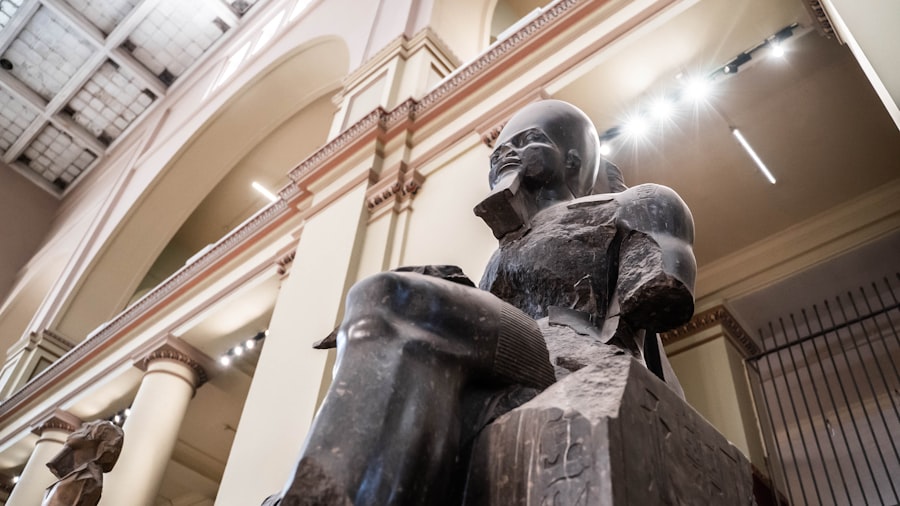
Old Kingdom art, characterized by its formal, stylized conventions, served primarily religious and royal purposes. Statuary, relief carvings, and tomb paintings were designed to convey order, stability, and the immortal nature of the pharaoh and the elite. The use of specific colors, poses, and symbolic imagery was not decorative but deeply meaningful, communicating complex theological and political ideas. The art was a visual language, speaking of eternity and cosmic order.
The Era of Division and Reunification: The First Intermediate Period and the Middle Kingdom
Following the collapse of the Old Kingdom, Egypt entered a period of fragmentation known as the First Intermediate Period (c. 2181–2055 BCE). Regional governors (nomarchs) gained considerable power, and central authority waned. This period of disunity, while marked by internal strife, also saw the rise of local identities and a diversification of artistic and literary expression. Eventually, the Theban rulers from the south succeeded in reunifying Egypt, ushering in the Middle Kingdom (c. 2055–1650 BCE). This era is characterized by a renewed sense of national identity, a focus on irrigation and agricultural development, and a sophisticated literary tradition.
The Decentralization of Power
The First Intermediate Period witnessed a significant shift in power dynamics. The once-absolute authority of the pharaoh was challenged by powerful regional leaders. This decentralization led to a breakdown in large-scale state projects and a period of instability. However, it also fostered a greater sense of local autonomy and contributed to the development of distinct regional styles in art and culture. It was a period where the threads of the tapestry began to fray, but not entirely unravel.
The Rise of Thebes and Reunification
The city of Thebes, situated in Upper Egypt, emerged as the dominant power during the First Intermediate Period. The Theban rulers gradually expanded their influence, eventually defeating their rivals and reunifying Egypt. This reunification marked the beginning of the Middle Kingdom, a period of significant cultural and political resurgence. The Theban dynasty instilled a new sense of order and national purpose.
Literature and the “Prophecies”
The Middle Kingdom is often considered a golden age of Egyptian literature. Works such as the “Tale of Sinuhe” and the “Eloquent Peasant” offer profound insights into the lives, aspirations, and moral concerns of the time. A unique genre of literature from this period, often referred to as “prophecies,” reflects a sense of nostalgia for the order of the Old Kingdom and a concern for the future, even as Egypt experienced a period of strength and prosperity. These texts are like windows into the anxieties and hopes of the people.
Expansion and Fortification
The Middle Kingdom pharaohs engaged in significant expansionist policies, pushing the borders of Egypt into Nubia to the south and the Levant to the northeast. This expansion was driven by a desire for access to valuable resources, particularly gold from Nubia. The construction of impressive defensive fortresses along these frontiers underscores the strategic importance of these new territories. The empire was stretched, like a well-worn but still strong thread in the tapestry.
Foreign Rule and Resistance: The Second Intermediate Period and the New Kingdom
The Second Intermediate Period (c. 1650–1550 BCE) saw Egypt once again divided, this time with the arrival of the Hyksos, a foreign people who ruled over a significant portion of Lower Egypt. Their introduction of new military technologies, such as the horse-drawn chariot, posed a significant challenge to native Egyptian rule. However, the Thebans ultimately succeeded in expelling the Hyksos and establishing the New Kingdom (c. 1550–1070 BCE), an era of imperial expansion, unparalleled wealth, and monumental construction on an unprecedented scale.
The Hyksos Presence
The Hyksos, originating from western Asia, gradually infiltrated and eventually dominated northern Egypt. Their rule was a disruption to the established order, but it also brought technological advancements and new cultural influences. The Egyptians eventually learned from their occupiers, incorporating new weaponry and military strategies into their own forces. The threads of foreign influence were woven into the existing pattern.
The Rise of Imperialism
The New Kingdom pharaohs, fueled by the lessons learned from the Hyksos period, embarked on an aggressive imperialistic policy. Egypt became a formidable military power, extending its influence across the Near East and into Nubia. This expansion brought immense wealth in the form of tribute, slaves, and raw materials, fueling lavish building projects and a cultural Golden Age. This was the era when the Egyptian tapestry was most vividly and elaborately decorated.
The Amarna Period and Akhenaten’s Heresy
One of the most radical and transformative events of the New Kingdom was the Amarna Period, initiated by pharaoh Akhenaten. He challenged millennia of religious tradition by promoting the exclusive worship of the Aten, the sun disk, and suppressing the traditional polytheistic cults, particularly that of Amun. He moved the capital to a new city, Akhetaten (modern Amarna), and initiated a distinct artistic style characterized by its realism and dynamism. This was a bold, almost revolutionary, stitching in the grand design.
The Golden Age of Temple Building
The New Kingdom witnessed the construction of some of Egypt’s most awe-inspiring religious complexes. Karnak and Luxor temples in Thebes, and the temples at Abu Simbel, are testaments to the wealth and devotion of this era. These massive structures, adorned with intricate reliefs and colossal statues, served as centers of worship, administration, and economic activity, reflecting the pharaoh’s role as the intermediary between the gods and humanity.
Egyptian history is a fascinating tapestry woven with tales of pharaohs, monumental architecture, and rich cultural traditions. One intriguing aspect is the role of ancient Egyptian religion in shaping their society and governance. For those interested in exploring this topic further, you can read a related article that delves into the complexities of their belief systems and how they influenced daily life. Check it out here: related article.
Decline and Foreign Domination: The Late Period and Greco-Roman Egypt
| Period | Years | Key Events | Notable Pharaohs | Major Contributions |
|---|---|---|---|---|
| Early Dynastic Period | c. 3100–2686 BCE | Unification of Upper and Lower Egypt | King Narmer | Development of hieroglyphic writing, establishment of Memphis |
| Old Kingdom | c. 2686–2181 BCE | Construction of the Pyramids of Giza | Khufu, Khafre, Menkaure | Advancements in architecture, centralized government |
| Middle Kingdom | c. 2055–1650 BCE | Reunification of Egypt, expansion into Nubia | Senkereh, Amenemhat III | Literature, irrigation projects, trade expansion |
| New Kingdom | c. 1550–1070 BCE | Empire expansion, building of temples | Hatshepsut, Akhenaten, Tutankhamun, Ramses II | Monumental architecture, religious reforms, military conquests |
| Late Period | c. 664–332 BCE | Foreign invasions, Persian rule | Psamtik I, Nectanebo II | Artistic revival, increased trade |
| Ptolemaic Period | 332–30 BCE | Greek rule after Alexander the Great | Ptolemy I, Cleopatra VII | Blend of Greek and Egyptian culture, Alexandria library |
| Roman Period | 30 BCE–395 CE | Egypt as a Roman province | Emperors Augustus, Constantine | Integration into Roman Empire, spread of Christianity |
Following the New Kingdom, Egypt entered a period of gradual decline, marked by internal strife, economic difficulties, and increasing foreign interference. The Late Period (c. 664–332 BCE) saw the country under various foreign rulers, including Persians and Assyrians. The conquest of Egypt by Alexander the Great in 332 BCE ushered in the Ptolemaic Period, a Hellenistic era where Greek rulers governed Egypt, blending their culture with Egyptian traditions. This was followed by Roman conquest in 30 BCE, and Egypt became a province of the Roman Empire, a significant shift in its long-standing independence.
The Libyan and Nubian Dynasties
During the Third Intermediate Period and into the Late Period, Egypt experienced rule by foreign dynasties, notably the Libyans and the Nubians (Kushites). Despite foreign rule, these dynasties often adopted Egyptian customs, religious practices, and even the title of pharaoh, demonstrating the enduring power of Egyptian cultural identity. The tapestry, though stitched by foreign hands, retained its fundamental Egyptian weave.
Persian Rule and Resistance
The Achaemenid Persian Empire conquered Egypt on multiple occasions, incorporating it into their vast empire. While often resisted, Persian rule also introduced new administrative techniques and cultural exchanges. This period highlights the increasing interconnectedness of the ancient world and the constant ebb and flow of power.
The Arrival of Alexander the Great
Alexander the Great’s conquest of Egypt in 332 BCE marked a profound turning point. He was welcomed as a liberator from Persian rule, and his reign initiated the Hellenistic Period. His general, Ptolemy I Soter, established the Ptolemaic dynasty, which ruled Egypt for nearly three centuries. This era saw the fusion of Greek and Egyptian cultures, with Hellenistic cities like Alexandria becoming centers of learning and commerce.
Roman Rule and the Transformation of Egypt
The Roman conquest in 30 BCE transformed Egypt into a vital breadbasket for the Roman Empire. While the Romans maintained many of Egypt’s administrative structures and religious traditions, their rule fundamentally altered its political independence. Alexandria continued to flourish as a major intellectual and cultural hub, but Egypt’s destiny was now intertwined with that of a colossal Mediterranean power. The final threads of independent Egyptian dynastic rule were cut.
Legacy and Enduring Influence: The Echoes of Ancient Egypt
The legacy of ancient Egypt is vast and multifaceted, extending far beyond its impressive monuments. Its contributions to art, architecture, science, medicine, religion, and governance have left an indelible mark on human civilization. The principles of mathematics and engineering that enabled the construction of the pyramids continue to inspire. The medical knowledge recorded in papyri reveals a sophisticated understanding of the human body. The very concept of a centralized state and codified law owes much to ancient Egyptian precedents.
Enduring Architectural and Engineering Achievements
The architectural marvels of Egypt, from the pyramids and temples to obelisks and colossal statues, continue to inspire awe and study. The sophisticated engineering techniques employed in their construction demonstrate a remarkable understanding of geometry, leverage, and logistics. These structures stand as silent witnesses to the ingenuity and ambition of this ancient civilization.
Contributions to Science and Medicine
Ancient Egyptians made significant advancements in various fields of science and medicine. Early astronomers charted the stars and developed a calendar. Mathematicians developed practical methods for calculation and surveying, essential for land management and construction. Medical papyri reveal a knowledge of anatomy, surgery, and pharmacology that was remarkably advanced for its time.
The Power of Egyptian Mythology and Religion
Egyptian mythology, with its rich pantheon of gods and goddesses, its complex funerary beliefs, and its focus on cosmic order, has captivated imaginations for millennia. Concepts such as the afterlife, judgment, and the resurrection, while expressed in Egyptian terms, resonate with themes found in many later religions. The Osiris myth, in particular, with its narrative of death and rebirth, has had a profound and lasting impact.
A Foundation for Western Civilization
The influence of ancient Egypt on later civilizations, including the Greeks and Romans, is undeniable. Their art, architecture, philosophy, and religious ideas were absorbed, adapted, and transmitted, forming a crucial part of the foundation upon which Western civilization was built. The threads of Egyptian influence can be traced through countless cultural developments, a silent but persistent presence in the grand tapestry of human history. To study Egypt is to connect with a deep and formative epoch of our shared human story.
FAQs
What is the time period covered by ancient Egyptian history?
Ancient Egyptian history spans from around 3100 BCE, with the unification of Upper and Lower Egypt under the first pharaoh, to the conquest by Alexander the Great in 332 BCE, followed by the Ptolemaic and Roman periods.
Who were some of the most famous pharaohs in Egyptian history?
Notable pharaohs include Narmer (the unifier of Egypt), Khufu (builder of the Great Pyramid), Hatshepsut (one of the few female pharaohs), Akhenaten (known for religious reforms), Tutankhamun (the boy king), and Ramses II (renowned for his military leadership and monuments).
What were the main achievements of ancient Egyptian civilization?
Ancient Egyptians are known for their advances in architecture (pyramids and temples), writing (hieroglyphics), medicine, mathematics, and art. They also developed a complex religious system and made significant contributions to agriculture through irrigation.
How did ancient Egyptians practice religion?
Ancient Egyptians practiced polytheism, worshipping many gods and goddesses related to nature and the afterlife. They believed in an afterlife and performed elaborate burial rituals, including mummification, to preserve the body for the soul’s journey.
What sources do historians use to study Egyptian history?
Historians rely on archaeological evidence such as tombs, temples, artifacts, and inscriptions. Written records include hieroglyphic texts, papyri, and later historical accounts by Greek and Roman historians. Modern technology like carbon dating and DNA analysis also aids research.