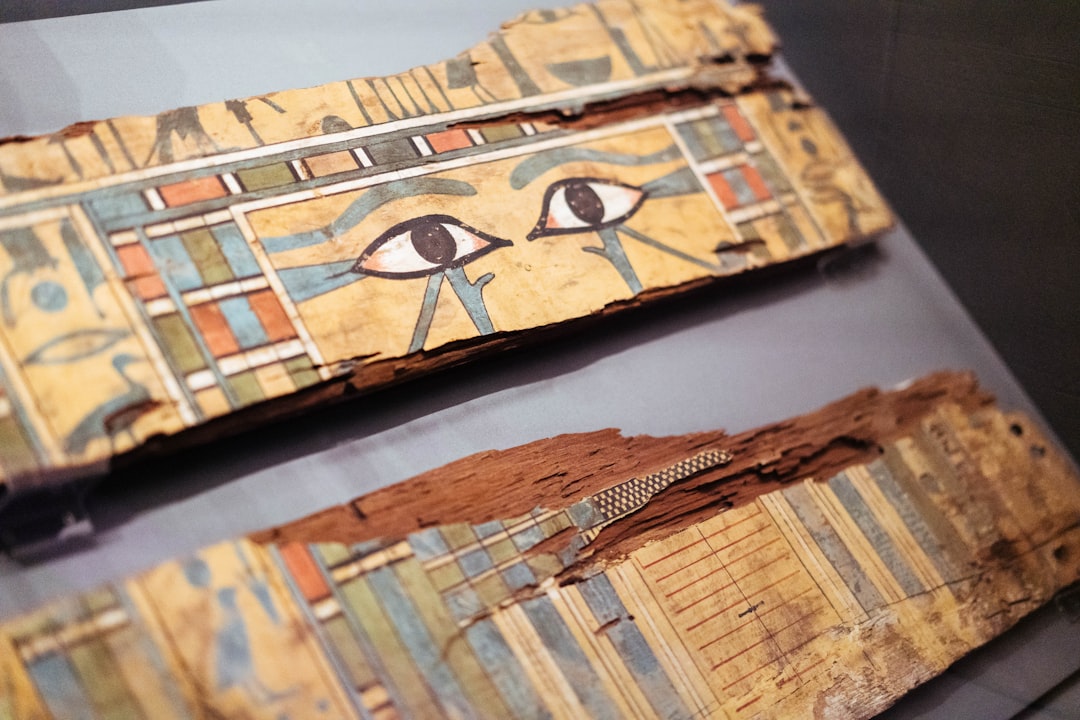
When you think of ancient Egypt, images of grand pyramids, majestic pharaohs, and intricate hieroglyphs likely come to mind. However, one of the most fascinating aspects of this ancient civilization is its practice of mummification. This meticulous process was not merely a means of preserving the dead; it was deeply intertwined with their beliefs about the afterlife and the soul’s journey beyond death.
Mummies serve as a window into the past, offering invaluable insights into the lives, health, and culture of ancient Egyptians. As you delve deeper into this subject, you will discover how modern science, particularly DNA analysis, has revolutionized our understanding of these ancient remains. The advent of DNA technology has opened new avenues for exploring the mysteries surrounding ancient Egyptian mummies.
By extracting and analyzing genetic material from these preserved bodies, researchers can uncover information that was previously inaccessible. This intersection of archaeology and genetics allows you to piece together not only the biological history of these individuals but also the broader narrative of ancient Egyptian society. As you explore this topic further, you will find that DNA analysis is not just a tool for understanding individual mummies; it is a key that unlocks the door to a more comprehensive understanding of an entire civilization.
Key Takeaways
- DNA analysis reveals unique genetic markers and evidence of interbreeding in ancient Egyptian mummies.
- Genetic studies uncover health conditions and hereditary diseases present in ancient Egyptian populations.
- DNA helps trace ancient Egyptian family lineages, migration patterns, and trade connections.
- Comparisons between ancient and modern DNA provide insights into population continuity and change.
- Ethical considerations are crucial in the study and handling of ancient human remains for DNA research.
The Use of DNA Analysis in Studying Ancient Egyptian Mummies
DNA analysis has become an essential tool in the study of ancient Egyptian mummies, providing insights that traditional archaeological methods alone could not achieve. When you consider the challenges posed by the degradation of organic material over millennia, the ability to extract viable DNA from mummified remains is nothing short of remarkable. Researchers employ various techniques to isolate and amplify DNA, allowing them to analyze genetic sequences that can reveal a wealth of information about ancestry, health, and even familial relationships among individuals.
As you explore the methodologies used in DNA analysis, you will find that advancements in technology have significantly improved the accuracy and efficiency of these processes. Techniques such as next-generation sequencing enable scientists to decode entire genomes from minute samples, offering a detailed picture of genetic diversity within ancient populations. This level of detail allows researchers to draw connections between different mummies and to identify patterns that may reflect social structures, migration patterns, and even trade relationships within ancient Egypt and beyond.
Unusual Genetic Markers Found in Ancient Egyptian Mummies

One of the most intriguing aspects of DNA analysis in ancient Egyptian mummies is the discovery of unusual genetic markers that challenge previously held assumptions about the population’s genetic makeup. As you delve into this area of research, you will encounter findings that suggest a more complex genetic landscape than was once believed. For instance, certain markers associated with specific diseases or traits have been identified in mummies that date back thousands of years, indicating that these genetic variations were present long before modern populations emerged.
These unusual genetic markers can provide insights into the health and lifestyle of ancient Egyptians. For example, researchers have identified markers linked to lactose intolerance and other dietary adaptations, shedding light on the dietary practices of this civilization. As you consider these findings, it becomes clear that DNA analysis not only reveals individual health conditions but also reflects broader trends in nutrition and lifestyle choices within ancient Egyptian society.
Evidence of Interbreeding with Other Ancient Civilizations
| Ancient Civilization | Evidence Type | Genetic Markers | Estimated Time Period | Significance |
|---|---|---|---|---|
| Neanderthals & Early Modern Humans | Genomic DNA Analysis | 1-4% Neanderthal DNA in non-African humans | 50,000 – 60,000 years ago | Confirms interbreeding outside Africa |
| Denisovans & Modern Humans | Ancient DNA Sequencing | Up to 5% Denisovan DNA in Melanesians | 40,000 – 50,000 years ago | Shows gene flow in Asia-Pacific populations |
| Early African Populations & Archaic Humans | Genetic Variation Studies | Unknown archaic DNA segments in African genomes | 100,000+ years ago | Suggests interbreeding with unidentified archaic humans |
| Ancient Europeans & Neanderthals | Fossil DNA & Morphological Evidence | Neanderthal haplotypes in European genomes | 45,000 – 30,000 years ago | Indicates regional admixture events |
| Early Asian Populations & Denisovans | Genomic Comparisons | Denisovan alleles in East Asian populations | 30,000 – 40,000 years ago | Highlights complex migration and interbreeding |
As you explore the genetic data obtained from ancient Egyptian mummies, you will uncover compelling evidence of interbreeding with other ancient civilizations. This aspect of research highlights the interconnectedness of cultures in antiquity and challenges the notion of isolated societies. Genetic analysis has revealed markers that suggest interactions with neighboring populations, such as those from Nubia and the Levant.
These findings indicate that ancient Egyptians were not only aware of other cultures but actively engaged with them through trade, migration, and possibly even conquest. The implications of these interbreeding events are profound. They suggest a dynamic society that was influenced by external factors and contributed to a rich tapestry of genetic diversity.
As you consider this evidence, it becomes apparent that understanding these interactions can provide a more nuanced view of ancient Egyptian identity and culture. The blending of genetic traits from various populations may have played a role in shaping the physical characteristics and health profiles observed in mummies.
Genetic Diseases and Health Conditions in Ancient Egyptian Mummies
The study of ancient Egyptian mummies through DNA analysis has also shed light on various genetic diseases and health conditions that affected this population. As you delve into this area, you will discover that many mummies exhibit signs of ailments such as arthritis, dental issues, and even hereditary diseases like sickle cell anemia. These findings offer a glimpse into the health challenges faced by ancient Egyptians and how their environment and lifestyle may have contributed to these conditions.
Moreover, understanding these health issues can provide context for the medical practices of ancient Egypt. You may find it fascinating that some diseases identified through genetic analysis align with historical records detailing treatments or remedies used by ancient healers. This connection between genetics and historical medical practices underscores the importance of interdisciplinary research in unraveling the complexities of ancient societies.
The Role of DNA in Understanding Ancient Egyptian Lineages and Family Relationships
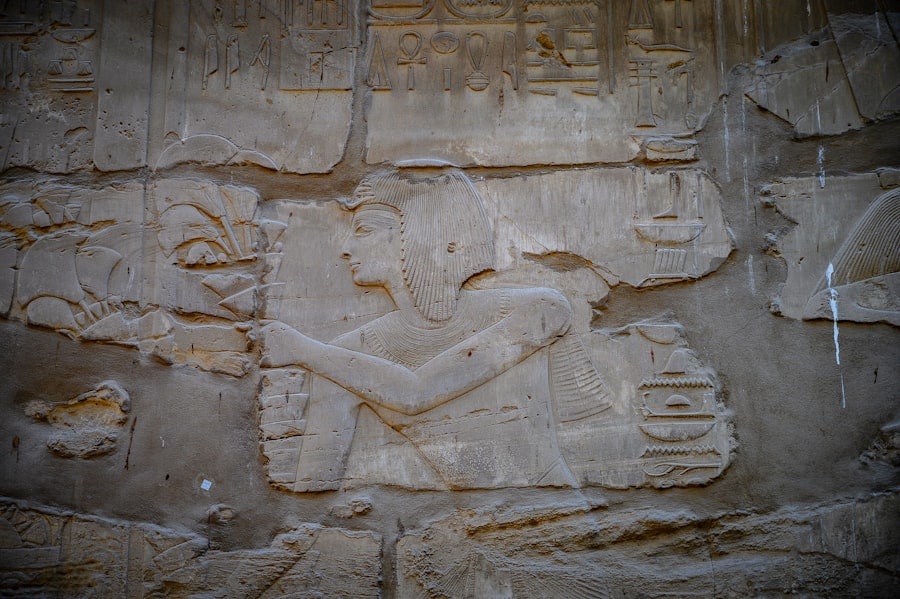
DNA analysis plays a crucial role in unraveling the intricate web of lineages and family relationships within ancient Egyptian society. By examining genetic markers shared among mummies, researchers can establish familial connections that were previously unknown. As you explore this aspect of research, you will find that it not only enhances our understanding of individual identities but also provides insights into social structures and inheritance practices.
For instance, studies have revealed instances of consanguinity—marriage between close relatives—among certain royal families. This practice was often employed to maintain bloodlines and consolidate power within dynasties. As you consider these findings, it becomes evident that DNA analysis serves as a powerful tool for reconstructing family trees and understanding the dynamics of power and lineage in ancient Egypt.
DNA Evidence of Ancient Egyptian Migration and Trade
Migration and trade were vital components of ancient Egyptian society, shaping its economy and cultural exchanges. Through DNA analysis, researchers have begun to uncover evidence supporting theories about migration patterns and trade routes that connected Egypt with neighboring regions. As you delve into this topic, you will encounter genetic markers indicating connections to populations from areas such as sub-Saharan Africa and the Mediterranean.
The implications are significant; they challenge traditional narratives about ancient Egypt as a homogenous society and highlight its role as a hub for trade and migration in antiquity.
Uncovering Mysteries of Ancient Egyptian Culture and Society through DNA
The application of DNA analysis extends beyond individual health or lineage; it also offers profound insights into the cultural practices and societal structures of ancient Egypt. By examining genetic data alongside archaeological findings, researchers can piece together aspects of daily life, religious beliefs, and social hierarchies. For instance, certain genetic traits may correlate with specific burial practices or social roles within society.
As you explore these connections, you will find that DNA serves as a bridge between biological data and cultural context. This interdisciplinary approach allows for a more holistic understanding of how genetics influenced various aspects of life in ancient Egypt—from diet to religious rituals—thereby enriching your comprehension of this remarkable civilization.
Comparing Ancient Egyptian DNA to Modern Populations
One fascinating avenue for exploration is the comparison between ancient Egyptian DNA and that of modern populations. As you engage with this research, you will discover how geneticists are mapping out the genetic legacy left by ancient Egyptians in contemporary populations across North Africa and beyond. This comparative analysis can reveal patterns of continuity or change over millennia, providing insights into how migrations and historical events have shaped modern genetic landscapes.
Such comparisons can also illuminate questions about identity and heritage among modern Egyptians. As you consider these findings, it becomes clear that understanding one’s genetic ancestry can foster a deeper connection to history and culture. The interplay between ancient and modern genetics serves as a reminder that our identities are often woven from threads spanning centuries.
Ethical Considerations in DNA Analysis of Ancient Human Remains
While the potential benefits of DNA analysis in studying ancient human remains are vast, ethical considerations must also be taken into account. As you navigate this complex landscape, you will encounter debates surrounding consent, cultural heritage, and the treatment of human remains. The extraction and analysis of DNA from mummies raise questions about who has the right to access this information and how it should be used.
Respecting the cultural significance of these remains is paramount; they are not merely scientific specimens but hold deep meaning for descendants and communities connected to them. As you reflect on these ethical dilemmas, it becomes evident that responsible research practices must prioritize collaboration with local communities and stakeholders to ensure that scientific inquiry honors cultural heritage.
Future Implications and Discoveries in Ancient Egyptian Mummy DNA Research
As you look toward the future of DNA research on ancient Egyptian mummies, the possibilities for new discoveries are exciting. Advances in technology will likely continue to enhance our ability to extract and analyze genetic material from increasingly degraded samples. This progress could lead to breakthroughs in understanding not only individual mummies but also broader population dynamics across time.
Moreover, interdisciplinary collaborations between geneticists, archaeologists, historians, and anthropologists will pave the way for more comprehensive studies that integrate various forms of evidence. As you consider these future implications, it becomes clear that ongoing research will continue to unravel the mysteries surrounding ancient Egypt while enriching our understanding of human history as a whole. The journey into the past through DNA is just beginning, promising new revelations about one of history’s most captivating civilizations.
Recent studies on ancient Egyptian mummies have revealed intriguing anomalies in their DNA, shedding light on the genetic diversity of this ancient civilization. For a deeper understanding of these findings and their implications, you can read more in the article available at