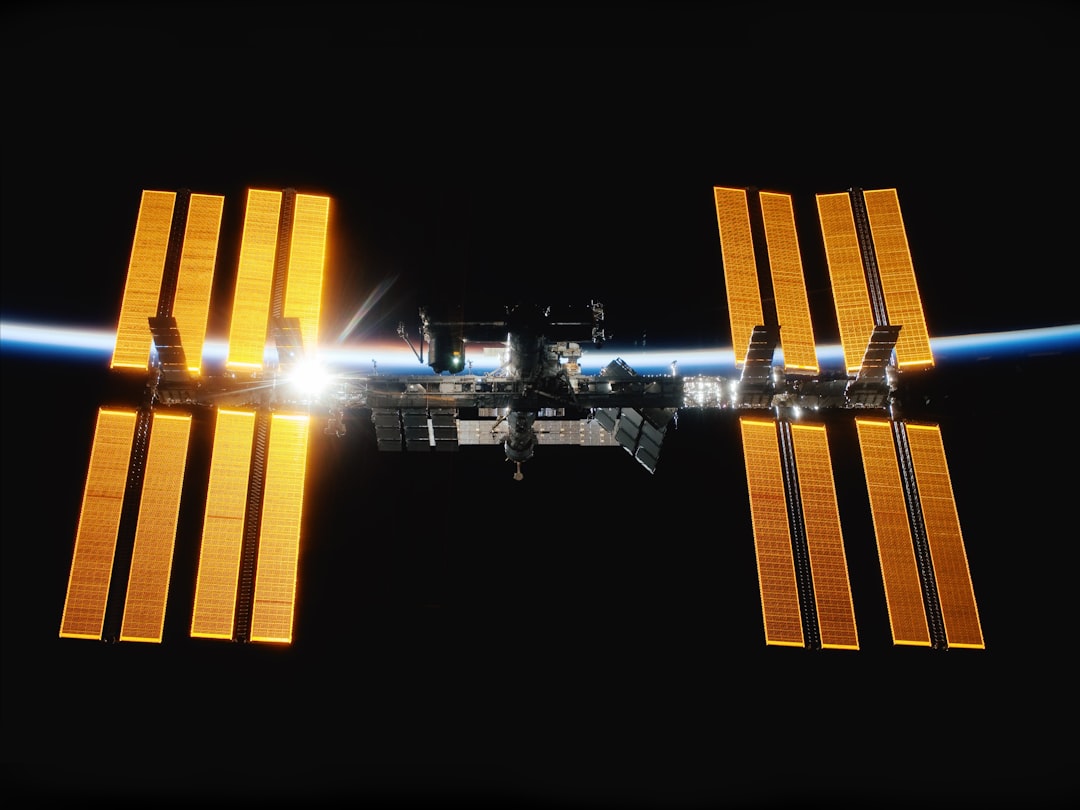
The cosmos, a vast and enigmatic expanse, continues to yield its secrets, pushing the boundaries of human understanding ever further. Recent breakthroughs in observational capabilities and theoretical frameworks are painting a more vivid and nuanced picture of the universe than ever before. From the faint whispers of the early cosmos to the intricate dance of galactic evolution and the tantalizing possibility of life beyond Earth, astronomers are actively unveiling new frontiers, transforming our perception of deep space. This ongoing exploration is not merely about cataloging celestial bodies; it’s a profound quest to decipher the fundamental laws that govern reality, our place within it, and the very origins of existence.
The earliest moments of the universe, a period shrouded in mystery and accessible only through indirect observation, are now becoming remarkably clear thanks to revolutionary new instruments. The universe, in its infancy, was a chaotic plasma, gradually cooling and allowing for the formation of the first atoms and, subsequently, the first stars and galaxies. Understanding this epoch is crucial for comprehending the subsequent evolution of all cosmic structures.
Illuminating the Cosmic Dark Ages
For eons, the universe was a dark place, devoid of the light-emitting stars and galaxies that populate the night sky today. This period, known as the Cosmic Dark Ages, lasted for several hundred million years after the Big Bang. During this time, the universe was filled with neutral hydrogen and helium gas, which absorbed most light. However, the advent of highly sensitive telescopes, particularly those operating in the radio spectrum, has begun to pierce this veil.
Radio Astronomy’s Resurgence
The Square Kilometre Array (SKA) and similar radio telescope projects are instrumental in probing the Cosmic Dark Ages. By detecting the faint, redshifted 21-centimeter hydrogen line radiation, these instruments can map the distribution of neutral hydrogen and identify the locations where the first luminous objects began to reionize the surrounding gas. This reionization marks the end of the Dark Ages and the birth of the universe as we know it. The intricate patterns of this early reionization provide crucial clues about the nature and distribution of the first stellar populations.
The Formation of the First Stars and Galaxies
The gravitational collapse of dense clouds of gas and dark matter eventually led to the formation of the very first stars, often referred to as Population III stars. These stars were massive, short-lived, and composed solely of hydrogen and helium. Their intense ultraviolet radiation played a pivotal role in reionizing the intergalactic medium.
Stellar Nurseries of the Early Universe
Observations from the James Webb Space Telescope (JWST) have provided unprecedented glimpses into the formation and early evolution of galaxies. JWST’s infrared capabilities allow it to penetrate the dust clouds that obscure visible light, revealing the nascent stages of galaxy formation in the distant universe. Astronomers are now able to study the composition, size, and star formation rates of these early galaxies, providing direct evidence for theoretical models of hierarchical structure formation. This allows for a more robust understanding of how small structures merged and grew into the massive galaxies observed today.
Recent advancements in deep space exploration have unveiled astonishing discoveries that challenge our understanding of the universe. A fascinating article discussing these breakthroughs can be found at this link, where researchers delve into the implications of newly detected exoplanets and the potential for extraterrestrial life. These findings not only expand our knowledge of distant worlds but also inspire a new generation of astronomers and scientists to explore the cosmos further.
Unraveling the Mysteries of Dark Matter and Dark Energy
Two of the most profound enigmas in modern cosmology are dark matter and dark energy. These invisible components constitute roughly 95% of the universe’s total mass-energy content, yet their fundamental nature remains elusive. Astronomers are employing increasingly sophisticated observational techniques and theoretical approaches to shed light on these pervasive forces.
The Invisible Scaffold: Dark Matter’s Influence
Dark matter, detectable only through its gravitational effects, plays a crucial role in the formation and structure of galaxies and galaxy clusters. Without its gravitational pull, the visible matter in the universe would not have coalesced into the large-scale structures we observe.
Direct Detection Experiments
Numerous underground laboratories are hosting experiments designed to directly detect dark matter particles. These experiments employ highly sensitive detectors that are shielded from cosmic rays and other background radiation. Scientists are looking for rare interactions between hypothetical dark matter particles and the detector material. While no definitive detection has been made yet, ongoing improvements in sensitivity are pushing the boundaries of what is detectable.
Gravitational Lensing as a Dark Matter Probe
The phenomenon of gravitational lensing, where the gravity of massive objects bends the path of light from more distant objects, provides a powerful indirect method for mapping the distribution of dark matter. By observing the distortion of background galaxies, astronomers can infer the presence and distribution of unseen mass, including dark matter, in foreground galaxies and galaxy clusters. The sheer scale of gravitational lensing observations, especially with advanced telescopes like the Euclid space telescope, is revolutionizing our understanding of the cosmic web.
The Accelerating Universe: Dark Energy’s Role
Dark energy, a mysterious force driving the accelerated expansion of the universe, presents an even greater puzzle. Its existence was inferred from observations of distant supernovae, which appeared dimmer than expected, indicating that the universe’s expansion rate has been increasing over time.
The Cosmological Constant vs. Beyond
The leading candidate for dark energy is the cosmological constant, a term proposed by Albert Einstein in his theory of general relativity. However, theoretical predictions for its value are vastly larger than what is observed, suggesting that our understanding of this phenomenon is incomplete. Alternative theories, such as quintessence, propose dynamic fields that change over time, offering new avenues of research.
Future Observational Missions
Upcoming missions like the Vera C. Rubin Observatory and the Nancy Grace Roman Space Telescope are designed to precisely measure the expansion history of the universe and the growth of cosmic structures. By gathering vast amounts of data on supernovae, baryon acoustic oscillations, and galaxy clustering, these observatories aim to constrain the properties of dark energy with unprecedented accuracy, potentially revealing whether it is indeed a constant or something more dynamic.
Exoplanet Exploration: The Search for Life Beyond Our Solar System
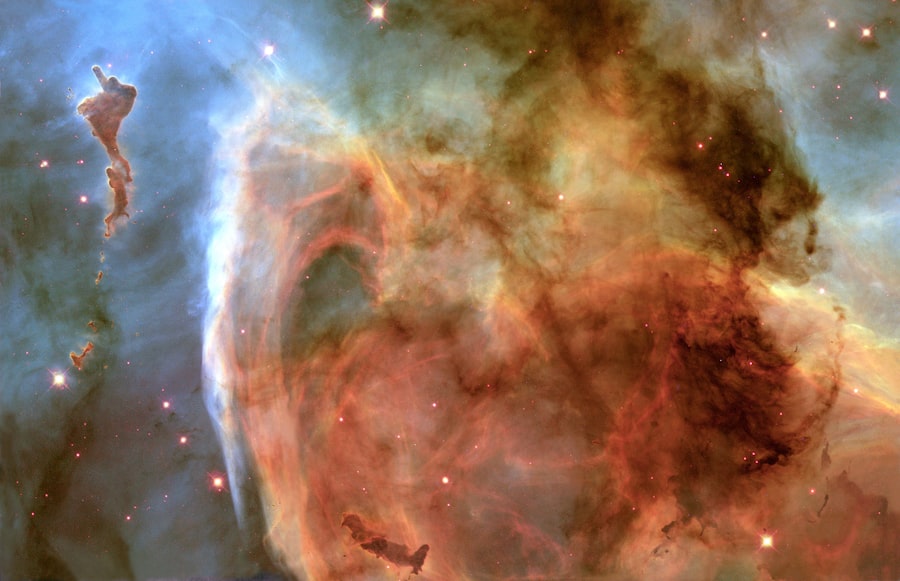
The discovery of planets orbiting stars other than our Sun, known as exoplanets, has revolutionized astronomy and ignited the public imagination. The sheer abundance of these alien worlds suggests that our solar system may not be unique, and the quest for life beyond Earth has entered a new, exciting phase.
Characterizing Alien Worlds
With thousands of exoplanets now confirmed, the focus has shifted from mere detection to detailed characterization. Astronomers are employing various techniques to determine the physical properties of these planets, including their mass, radius, atmospheric composition, and temperature.
Transit Photometry and Radial Velocity
The transit method, where a planet passes in front of its star, causing a slight dip in the star’s brightness, and the radial velocity method, which detects the wobble of a star caused by the gravitational pull of an orbiting planet, remain the primary tools for exoplanet detection. However, these techniques are now being refined to detect smaller, Earth-like planets.
Atmospheric Spectroscopy with JWST
The James Webb Space Telescope is proving to be a game-changer in exoplanet atmospheric characterization. By analyzing the light that passes through an exoplanet’s atmosphere during a transit, JWST can identify the presence of various molecules, including water, methane, and carbon dioxide. The detection of specific biosignatures, such as oxygen in conjunction with methane, could be a compelling indicator of biological activity.
The Habitable Zone and the Quest for Biosignatures
The habitable zone, often referred to as the “Goldilocks zone,” is the region around a star where conditions might be right for liquid water to exist on a planet’s surface. Astronomers are actively searching for exoplanets within the habitable zones of their stars, particularly those orbiting red dwarf stars, which are the most common type of star in the galaxy.
The Potential for Water Worlds and Ocean Planets
Many exoplanets discovered so far appear to be water-rich. The possibility of “water worlds” or “ocean planets” opens up exciting avenues for astrobiology, as liquid water is considered a fundamental requirement for life as we know it. Understanding the conditions on these watery exoplanets, including their atmospheric pressure and temperature, is crucial for assessing their potential habitability.
Searching for Technosignatures
Beyond biological indicators, some scientists are also considering the possibility of detecting “technosignatures” – evidence of advanced extraterrestrial civilizations, such as artificial radio signals or unusual atmospheric compositions that could be indicative of industrial processes. While highly speculative, this area of research reflects the expanding scope of the search for life.
Galactic Archaeology: Piecing Together the Universe’s History
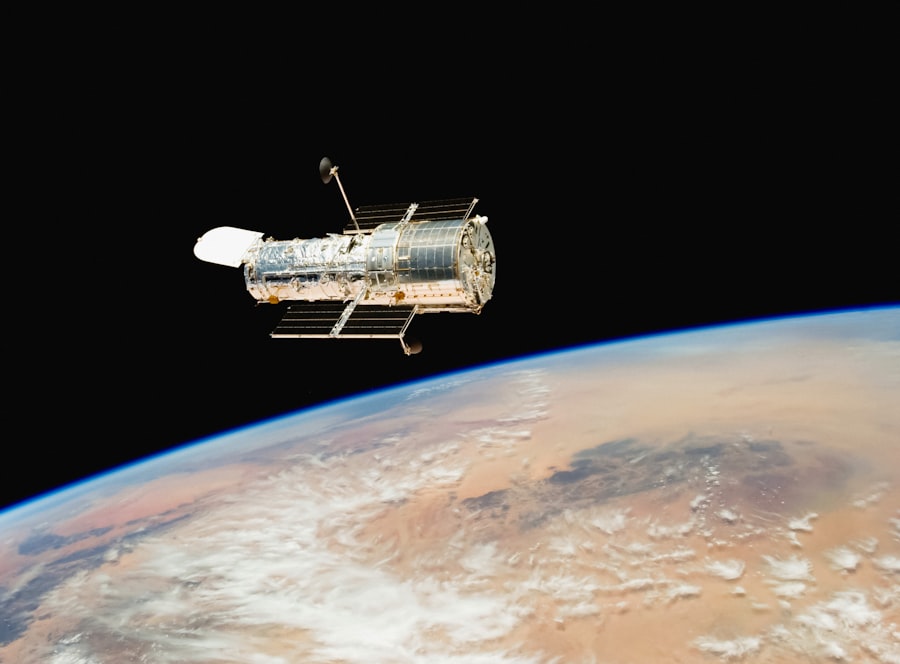
Galaxies are not static entities; they are dynamic systems that have evolved over billions of years, undergoing mergers, interactions, and periods of intense star formation. Astronomers are increasingly employing the field of “galactic archaeology” to reconstruct the complex history of our own Milky Way and other galaxies.
The Milky Way as a Cosmic Laboratory
Our own galaxy, the Milky Way, serves as a valuable laboratory for studying galactic evolution. By analyzing the positions, motions, and chemical compositions of stars, astronomers can unravel the Milky Way’s formation history, identifying remnants of ancient stellar populations and accreted dwarf galaxies.
Stellar Streams and Galactic Mergers
Observations of stellar streams – elongated populations of stars that are remnants of dwarf galaxies or star clusters disrupted by the Milky Way’s gravity – provide direct evidence of past mergers. These streams act like cosmic fossils, allowing astronomers to trace the history of galactic cannibalism that has shaped our galaxy.
Chemical Signatures of Galactic Evolution
The chemical composition of stars acts as a fingerprint of the galactic environment in which they formed. By analyzing the abundance of heavy elements (metals) in stars, astronomers can infer the generations of stars that preceded them, as these elements are produced in stellar interiors and released into the interstellar medium through supernovae.
Studying Distant Galaxies to Understand Our Own
While the Milky Way offers a detailed local view, studying distant galaxies at various stages of their evolution provides a broader perspective on the processes that shape all galaxies. This comparative approach allows astronomers to identify common evolutionary pathways and unique phenomena.
Galaxy Morphology and Classification
The shapes and structures of galaxies – from the elegant spirals of Andromeda to the irregular blobs of colliding systems – offer clues about their formation and evolutionary history. Understanding these morphologies helps astronomers categorize galaxies and study how they change over cosmic timescales.
Starburst Galaxies and Active Galactic Nuclei
Studying galaxies undergoing bursts of rapid star formation (starburst galaxies) and those with supermassive black holes at their centers actively accreting matter (active galactic nuclei, or AGNs) provides insights into powerful feedback mechanisms that can regulate galaxy growth and influence their surroundings. These energetic phenomena play a significant role in shaping the interstellar medium and the overall evolution of galaxies.
Recent advancements in deep space discoveries have opened up new avenues for understanding the universe, revealing fascinating insights about distant galaxies and celestial phenomena. A particularly intriguing article discusses the latest findings from the James Webb Space Telescope, which has been instrumental in uncovering the mysteries of the cosmos. For more information on these groundbreaking discoveries, you can read the full article here. As scientists continue to analyze the data, we can expect even more revelations that could reshape our understanding of space and time.
The Next Generation of Observatories: Pushing the Boundaries Further
“`html
| Year | Number of Discoveries |
|---|---|
| 2015 | 12 |
| 2016 | 18 |
| 2017 | 25 |
| 2018 | 30 |
| 2019 | 28 |
“`
The relentless pursuit of cosmic knowledge is fueled by the continuous development of increasingly sophisticated astronomical instruments. Each new generation of telescopes and detectors opens up unprecedented observational windows, allowing us to probe deeper into the universe and with greater precision.
Advancements in Telescope Technology
From ground-based giants to space-based observatories, advancements in mirror technology, detector sensitivity, and adaptive optics are revolutionizing observational astronomy. These innovations enable us to capture fainter signals, resolve finer details, and observe a wider range of the electromagnetic spectrum.
The Extremely Large Telescope (ELT)
The European Southern Observatory’s Extremely Large Telescope (ELT), currently under construction in Chile, will be the world’s largest optical telescope. With its massive 39-meter primary mirror, the ELT will offer unparalleled resolution and light-gathering capabilities, allowing it to study the atmospheres of exoplanets with unprecedented detail, observe the first stars and galaxies, and probe the nature of dark matter and dark energy with greater accuracy.
The Nancy Grace Roman Space Telescope
NASA’s Nancy Grace Roman Space Telescope, set to launch in the coming years, will be a wide-field infrared observatory. Its mission includes mapping the distribution of dark matter, studying the evolution of dark energy, and discovering thousands of exoplanets using a technique called microlensing, which can detect planets that are difficult to find with other methods.
Synergy Between Different Observational Techniques
The most profound discoveries often arise from the synergistic combination of data from different types of telescopes. For example, combining infrared observations from JWST with radio observations from ALMA can provide a comprehensive view of star formation processes, revealing details about dust, gas, and emerging stars that would be impossible to discern with either instrument alone.
Multi-Messenger Astronomy
The emerging field of multi-messenger astronomy, which combines observations from electromagnetic radiation, gravitational waves, and neutrinos, is ushering in a new era of cosmic exploration. The detection of gravitational waves from colliding black holes and neutron stars, for instance, has provided entirely new ways to study extreme astrophysical events and test fundamental physics. The ongoing development of neutrino observatories and improved gravitational wave detectors promises to unlock even more secrets of the universe.
The continuous unveiling of deep space discoveries is a testament to humanity’s insatiable curiosity and our drive to comprehend the cosmos. Each new frontier explored, each mystery unraveled, not only expands our scientific knowledge but also profoundly shapes our philosophical understanding of our place in the grand tapestry of existence. The journey into the unknown is far from over, and the future of astronomy promises even more breathtaking revelations.

The New Interstellar Object That’s Dividing Scientists
FAQs
What are some recent deep space discoveries?
Some recent deep space discoveries include the detection of gravitational waves, the discovery of exoplanets in the habitable zone, and the observation of mysterious fast radio bursts.
How do scientists make deep space discoveries?
Scientists make deep space discoveries using telescopes, space probes, and other advanced technologies. They analyze data collected from these instruments to make new observations and discoveries about the universe.
What are the implications of deep space discoveries?
Deep space discoveries have significant implications for our understanding of the universe and our place within it. They can lead to new insights into the origins of the universe, the potential for extraterrestrial life, and the fundamental laws of physics.
What are some challenges in making deep space discoveries?
Some challenges in making deep space discoveries include the vast distances involved, the limitations of current technology, and the need to interpret complex data from distant objects. Additionally, funding and resources for deep space exploration can also be a challenge.
How do deep space discoveries impact our daily lives?
Deep space discoveries can impact our daily lives by inspiring new technologies and innovations, providing new perspectives on our place in the universe, and contributing to our understanding of fundamental scientific principles. Additionally, they can also lead to new opportunities for space exploration and potential future discoveries.