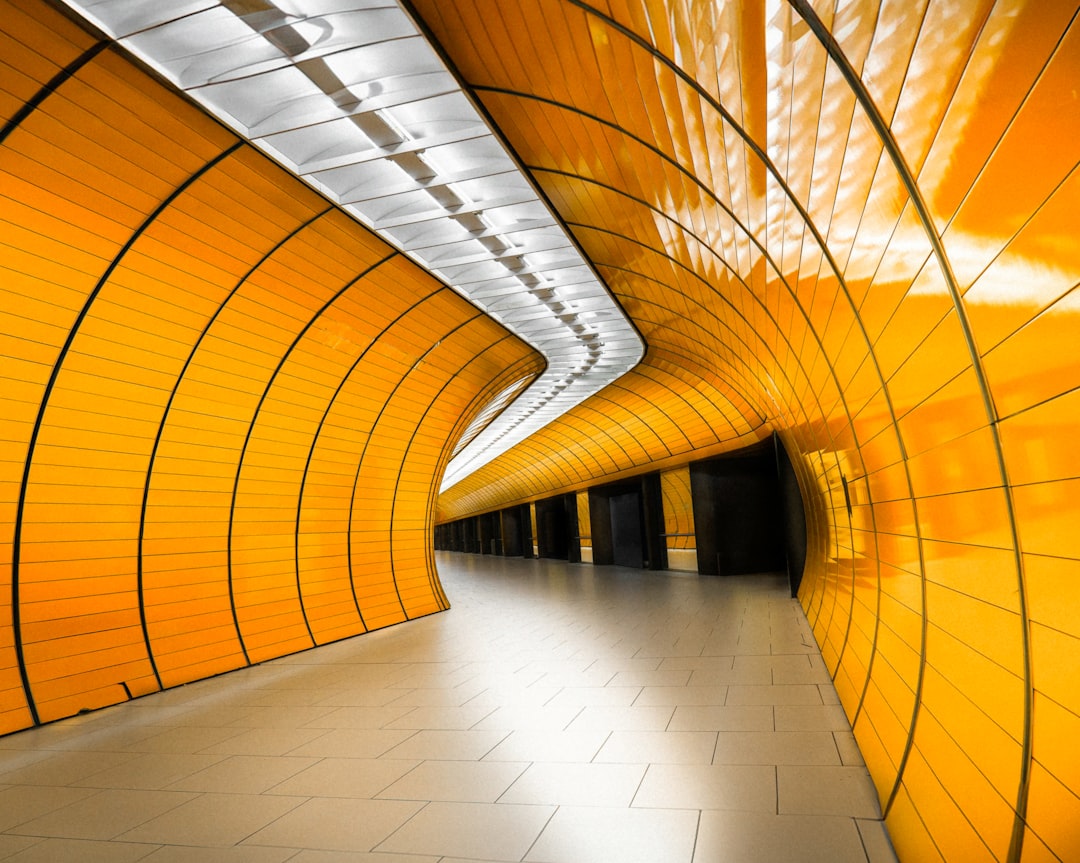
The geological tapestry of Earth has long concealed mysteries, and among the most perplexing are the enigmatic vitrified underground tunnels, purportedly stretching from Utah to Argentina. These subterranean conduits, if their existence can be definitively proven, represent a monumental feat of engineering or a startling natural phenomenon, challenging conventional understanding of ancient technology or geological processes. Speculation surrounding their origin and purpose has fueled debates among geologists, archaeologists, and independent researchers for decades.
The concept of vitrified tunnels beneath the Earth’s surface connecting distant continents is not a recent fabrication. It originates from a confluence of ancient myths, curious geological formations, and persistent anecdotal evidence. To fully grasp the scope of this extraordinary claim, one must first examine the disparate threads that have been woven together to form the current hypothesis.
Ancient Lore and Subterranean Narratives
Many cultures worldwide possess rich oral traditions and written accounts describing extensive underground networks, often inhabited by mysterious beings or serving as pathways to other realms. From the Agartha network in Tibetan Buddhism to the Patalok in Hindu scriptures, the idea of a significant sub-surface world is deeply ingrained in human consciousness. While these narratives are largely mythological, proponents of the vitrified tunnel theory often cite them as echoes of a forgotten reality, an ancient awareness of a sophisticated subterranean infrastructure. They argue that the persistent recurrence of these themes across geographically disparate cultures suggests a common origin or a universal experience, however embellished by folklore over millennia.
Geological Anomalies and Unexplained Phenomena
Beyond the realm of myth, certain geological occurrences have lent credence to the tunnel hypothesis. Reports of unusual rock formations, particularly those exhibiting characteristics consistent with vitrification—a process of turning material into a glassy substance, typically by intense heat—have emerged from various locations. These reports often describe unusually smooth, fused, or slag-like rock surfaces deep within caves or mining shafts, distinct from the natural crystalline structures typically found in such environments. While most geologists attribute these formations to natural geothermal activity, lightning strikes, or meteorite impacts, a minority posits a more deliberate, artificial origin.
Independent Research and Eyewitness Accounts
The 20th and 21st centuries have seen a notable increase in independent researchers investigating these claims, often compiling anecdotal evidence and personal testimonies. These accounts frequently detail encounters with unusually regular, smooth-walled tunnels extending far beyond what conventional mining or natural cave formation would suggest. Some witnesses describe encountering vitrified surfaces, often with an unnerving smoothness and uniformity, suggesting an artificial rather than a natural genesis. It is crucial, however, to approach such accounts with a critical eye, acknowledging the potential for misinterpretation, exaggeration, or even deliberate fabrication. The absence of verifiable, peer-reviewed scientific studies supporting these claims remains a significant hurdle.
In exploring the fascinating topic of vitrified underground tunnels, both in Utah and Argentina, one can gain further insights by reading a related article on the subject. This article delves into the mysterious origins and geological implications of these tunnels, shedding light on their potential historical significance. For more information, you can visit the article at XFile Findings.
Characterizing Vitrification: The Science Behind the Glassy Stone
Vitrification, at its core, is a process of transforming a substance into a glass-like amorphous solid. When applied to rock or soil, it typically requires extreme temperatures, often exceeding 1,000 degrees Celsius, followed by rapid cooling. Understanding the scientific principles of vitrification is essential to evaluating the claims of vitrified tunnels.
Natural Vitrification Processes
Nature, in its sheer power and unpredictability, can indeed vitrify rock. Lightning strikes, especially those of high intensity, can fuse sand into fulgurites, tube-like glassy structures. Volcanic activity, particularly lava flows interacting with certain rock types, can also result in vitrified surfaces, although these are typically localized and less uniform. Meteorite impacts, with their immense kinetic energy, can create substantial areas of shock-vitrified rock, often seen at impact sites. Each of these natural processes leaves distinct geological signatures, such as specific mineral compositions, structural indicators, and geological context. For a vitrified tunnel to exist, it would need to present a consistent vitrified structure over immense distances, a phenomenon not readily explained by these localized natural occurrences.
Artificial Vitrification Techniques
Historically, vitrification has been employed by various cultures for construction and defense. Ancient fortresses in Scotland, Ireland, and continental Europe exhibit vitrified stonework, presumably as a strengthening mechanism or as a byproduct of destructive sieges where extreme heat was applied to stone walls. The exact methods used by these ancient peoples remain a topic of archaeological debate, but the principle involved is clear: intentional application of heat to transform rock. If the vitrified tunnels are indeed artificial, they would represent a technological leap far beyond these known historical examples, requiring not just localized vitrification but a method capable of processing kilometers of rock synchronously and efficiently. The energy requirements alone would be staggering, implying a highly advanced civilization with sophisticated engineering capabilities.
Distinguishing Natural from Artificial Vitrification
The critical challenge in assessing the vitrified tunnel hypothesis lies in definitively distinguishing naturally occurring vitrification from artificially induced vitrification on a colossal scale. Scientists would look for specific indicators: uniformity of texture and composition over vast distances, clear evidence of deliberate shaping or excavation, and the absence of geological features commonly associated with natural vitrification (e.g., volcanic vents, impact craters, or evidence of intense lightning strikes directly corresponding to the tunnel’s trajectory). Without such empirical evidence, it remains speculative to attribute any vitrified rock to artificial construction, especially when conventional geological explanations exist.
The Utah Nexus: Points of Interest and Local Folklore

Utah, with its diverse and dramatic geology, often finds itself at the epicenter of extraordinary claims, and the vitrified tunnels are no exception. Several locations within the state have been cited as potential entry points or significant sections of this alleged subterranean network.
The “Cave of the Standing Walls” and Other Formations
Reports from various sources, including early Mormon settlers and contemporary independent researchers, describe unusual cave systems within Utah featuring smooth, glassy walls, sometimes appearing “melted” or “welded.” These formations, sometimes referred to poetically as “Cave of the Standing Walls,” diverge from typical limestone or sandstone cave structures, which are usually characterized by rough, eroded surfaces or crystalline formations. While geologists generally explain these anomalies through hydrothermal alteration, mineralization, or seismic activity creating fault-line polishing, proponents of the vitrified tunnel theory point to their exceptional smoothness and perceived uniformity as evidence of artificial intervention.
Connecting to the Larger Network: Hypothetical Trajectories
If these Utah formations are indeed part of a larger vitrified tunnel system, mapping their hypothetical trajectory becomes a critical undertaking. Researchers have proposed various paths, often following geological fault lines, subterranean water sources, or existing cave systems. The proposed route from Utah would then theoretically extend southward, passing under the southwestern United States, Mexico, Central America, and eventually traversing the length of South America to Argentina. This trajectory implies an extraordinary depth and resilience, allowing the tunnels to withstand immense geological pressures and seismic activity over millennia. The logistical challenges of surveying and excavating such a vast and deep system are immense, effectively rendering direct verification exceedingly difficult with current technology.
Local Anecdotes and Their Interpretations
Utah’s rich history breeds numerous local legends and anecdotal accounts that add flavor, if not scientific weight, to the vitrified tunnel narrative. Tales of settlers encountering strange subterranean passages, or indigenous peoples speaking of underground “river roads,” contribute to the mystique. While these stories are culturally significant, it is important to differentiate between folklore and empirical evidence. Anthropologists can provide valuable context for interpreting these narratives within their cultural frameworks, but they seldom offer direct scientific validation of geological phenomena.
The Argentine Connection: Southern Terminus of a Subterranean Highway
Argentina, a land of vast plains, imposing mountains, and ancient geological formations, is posited as the southern terminus of this purported vitrified tunnel system. The claims in Argentina are as intriguing and contested as those in Utah.
The Sierras Pampeanas and Other Geological Hotspots
Within Argentina, specific regions such as the Sierras Pampeanas range or areas near the Andes Mountains have been mentioned in connection with unusual subterranean discoveries. Reports, again largely anecdotal or from independent researchers, describe deep cave systems with unusual structural integrity or vitrified surfaces that defy conventional geological explanations. Some accounts refer to extraordinarily deep mining shafts or natural fissures that reveal polished, glassy rock formations. These findings, often interpreted as evidence of ancient, advanced engineering, are usually attributed by mainstream geology to specific tectonic forces, mineral deposition, or hydrothermal alteration that can create smooth, almost glassy rock surfaces under immense pressure and heat.
Indigenous Knowledge and Subterranean Narratives in South America
Similar to North America, South American indigenous cultures possess extensive oral traditions concerning subterranean worlds. The Quechua, Aymara, and Mapuche peoples, among others, tell stories of underground passages, hidden cities, and deep earth connections. These narratives are often interwoven with creation myths and spiritual beliefs, depicting a complex relationship between humanity and the earth’s interior. Proponents of the vitrified tunnel theory often interpret these stories as ancestral memories of a time when such tunnels were accessible or known. However, it is crucial to recognize that myths often serve metaphorical or spiritual purposes, rather than being literal descriptions of physical infrastructure.
Challenges in Verification and the Absence of Scientific Consensus
The scientific community maintains a cautious, if not skeptical, stance regarding the vitrified tunnels from Utah to Argentina. The primary challenge lies in the absence of verifiable, direct empirical evidence. No peer-reviewed radiometric dating, core samples, or comprehensive geological surveys have definitively identified or mapped such a system. The sheer logistical and financial undertaking of proving or disproving such a claim is immense, requiring extensive drilling, seismic imaging, and direct exploration at depths potentially beyond current technological capabilities. Until such evidence emerges, the vitrified tunnels remain firmly within the realm of speculative hypothesis.
Recent discoveries regarding vitrified underground tunnels in Utah and Argentina have sparked significant interest among researchers and enthusiasts alike. These tunnels, believed to be remnants of ancient civilizations, showcase unique geological features that have led to various theories about their origins and purposes. For those looking to delve deeper into similar mysterious findings, an intriguing article can be found at this link, which explores other enigmatic structures around the world.
Explaining the Unexplained: Alternative Theories and Scientific Perspectives
| Metric | Value | Unit | Notes |
|---|---|---|---|
| Location | Utah, USA & Argentina | Geographical | Sites where vitrified underground tunnels have been reported |
| Tunnel Length | 50 – 200 | meters | Estimated lengths of vitrified tunnels |
| Vitrification Temperature | 1000 – 1200 | °C | Approximate temperature range required to vitrify rock walls |
| Depth Below Surface | 10 – 30 | meters | Depth at which tunnels are located underground |
| Rock Type | Granite, Basalt | Geological | Common rock types vitrified in tunnels |
| Estimated Age | 2000 – 5000 | Years | Approximate age range of tunnels based on archaeological studies |
| Vitrification Thickness | 1 – 5 | cm | Thickness of vitrified layer on tunnel walls |
| Possible Origin | Natural / Ancient Technology | Hypothesis | Theories about how vitrification occurred |
When confronted with extraordinary claims, a rigorous scientific approach demands the exploration of all plausible explanations before accepting a radical new paradigm. The vitrified tunnels hypothesis presents several significant challenges to conventional scientific understanding.
Geological Interpretations: Natural Phenomena in Disguise
Mainstream geology offers several explanations for formations that might be mistaken for vitrified tunnels. Hydrothermal vents, for instance, can create smooth, mineral-rich tunnels over extended periods. Fault lines, where immense geological forces cause rock to slide against rock, can polish surfaces to an extraordinary smoothness, sometimes even generating enough friction to cause localized melting and vitrification. Intense pressure and temperature gradients within the Earth’s crust can also alter rock structures, creating unusual textures and appearances. Furthermore, the optical phenomena within deep, unlit caves can sometimes distort perception, making naturally occurring formations appear more regular or artificial than they truly are. It is imperative to always prioritize the simplest explanation that accounts for the observed phenomena, often referred to as Occam’s Razor.
Anthropological and Psychological Perspectives: The Power of Narrative
From an anthropological standpoint, the widespread belief in subterranean networks can be attributed to several factors. The human psyche is often drawn to mystery and the unknown, and the idea of a hidden world beneath our feet is inherently captivating. Furthermore, ancient cultures often used myths to explain natural phenomena or to convey moral and spiritual lessons. The desire to find concrete evidence for these myths can sometimes lead to misinterpretations of natural formations. The human tendency to find patterns, even in randomness, can also contribute to the construction of grand narratives from disparate observations. Psychologically, the allure of a hidden, advanced ancient civilization can also be a powerful motivator for belief, offering a sense of wonder and escape from the ordinary.
The Role of Pseudo-science and Unsubstantiated Claims
It is crucial to acknowledge the distinction between genuine scientific inquiry and pseudo-scientific claims. While independent research plays a vital role in challenging established paradigms, it must adhere to principles of empirical evidence, peer review, and falsifiability. Many claims surrounding the vitrified tunnels lack these fundamental scientific safeguards. Without transparent methodology, reproducible results, and independent verification, such claims remain unsubstantiated. As readers, you must exercise critical thinking, scrutinizing the sources of information and demanding rigorous proof for claims that defy conventional scientific understanding. The Earth’s geology is complex and full of wonders, but extraordinary claims require extraordinary evidence.
In conclusion, the vitrified underground tunnels stretching from Utah to Argentina remain a captivating but unproven hypothesis. While ancient myths and intriguing geological formations provide fertile ground for speculation, a definitive scientific consensus supporting their existence is absent. The challenges of verification are immense, and conventional geological explanations can often account for the observed phenomena. Until robust, empirical evidence emerges, these alleged subterranean conduits will continue to occupy a fascinating niche in the realm of geological mysteries and speculative archaeology, a testament to humanity’s enduring fascination with the hidden depths of our planet.

SHOCKING: CIA Remote Viewer Finds “The Governor” Controlling Earth
FAQs
What are vitrified underground tunnels?
Vitrified underground tunnels are passageways constructed or naturally formed in which the walls or surfaces have undergone vitrification—a process where materials are exposed to intense heat, causing them to melt and fuse into a glass-like, solid state.
Where are the vitrified underground tunnels located in Utah and Argentina?
Vitrified underground tunnels have been reported in certain archaeological and geological sites in both Utah, USA, and Argentina. These tunnels are often associated with ancient or prehistoric structures, though their exact locations are typically studied by researchers and not widely publicized.
How were the vitrified tunnels in Utah and Argentina formed?
The vitrification of tunnels can occur either through natural geological processes involving volcanic activity and intense heat or through ancient human techniques that used high temperatures to strengthen or modify stone structures. The specific origins of the tunnels in Utah and Argentina are subjects of ongoing research.
What is the significance of vitrified tunnels in archaeological studies?
Vitrified tunnels provide valuable insights into ancient construction methods, technological capabilities, and environmental conditions. Studying these tunnels helps archaeologists understand the cultural and historical context of the regions where they are found.
Are the vitrified underground tunnels accessible to the public?
Access to vitrified underground tunnels varies depending on their location, preservation status, and local regulations. Some sites may be open for guided tours or research purposes, while others are restricted to protect their integrity and ensure safety.