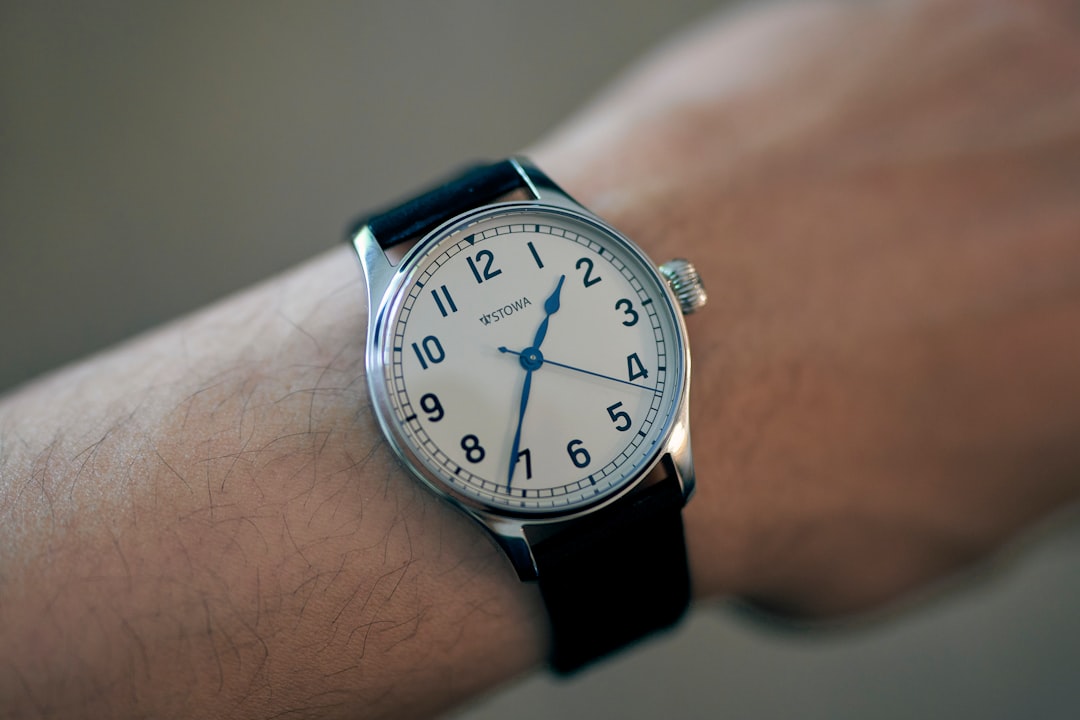
The phenomenon of ‘Whiteout Watch: Stopped Time’ refers to a specific and extreme manifestation of whiteout conditions, differentiated by its profound impact on an individual’s perception of temporal progression. While conventional whiteouts primarily obliterate visual cues, rendering the environment a homogenous, undifferentiated expanse, ‘Stopped Time’ introduces a disorienting psychological component wherein the objective passage of time appears to cease, or at least becomes unquantifiable and subjectively altered. This condition is not a biological cessation of time, but rather a severe cognitive disruption induced by sensory deprivation and extreme environmental stress.
The roots of ‘Whiteout Watch: Stopped Time’ lie firmly in the realm of sensory deprivation, an area of study that has long fascinated psychologists and neurologists. When an individual is exposed to a whiteout, particularly in environments like polar ice caps, vast snowy plains, or high-altitude glacial terrains, the visual field is entirely normalized. There are no horizons, no distinct objects, no shadows, and often, no discernible sky-ground distinction. This absence of visual input, coupled with other sensory distortions, initiates a cascade of psychological effects. Explore the mysteries of the Antarctic gate in this fascinating video.
Visual Homogeneity and Perceptual Void
The primary trigger for this phenomenon is the overwhelming visual homogeneity. Unlike darkness, which presents a void of light, a whiteout presents a void of information. The eyes are open, yet there is nothing to focus on, nothing to process. This creates a conflict between the expectation of sensory input and the reality of its absence.
Auditory Obscurity and Acoustic Dampening
Beyond the visual, whiteout conditions often involve a significant reduction in auditory stimuli. Falling snow, particularly dense snow, can act as an acoustic dampener, muffling ambient sounds. Wind, while present, can become a monotonous roar, devoid of directional cues. This combination further strips the individual of external reference points.
Proprioceptive and Vestibular Challenges
The absence of visual references directly impacts an individual’s proprioception and vestibular system – the senses responsible for body position and balance. Without a stable visual horizon, the brain struggles to orient itself, leading to feelings of disequilibrium and spatial disorientation. This is compounded by the often-featureless, undulating terrain beneath the snow.
Temperature Extremes and Stress Response
The environments prone to ‘Whiteout Watch: Stopped Time’ are almost invariably characterized by extreme cold. Hypothermia, even in its early stages, can induce cognitive impairment, slowing thought processes and impairing judgment. The sheer stress of surviving in such an environment also triggers a “fight or flight” response, which, when prolonged and unresolvable, can lead to mental fatigue and a detachment from reality.
In exploring the concept of time and its manipulation, the article “The Enigma of Temporal Perception” delves into how our understanding of time can be altered by various psychological and environmental factors. This fascinating read complements the discussion on the phenomenon of whiteout, where visibility is drastically reduced, creating a sense of suspended time. For more insights, you can check out the article here: The Enigma of Temporal Perception.
Subjective Experiences and Cognitive Mechanisms
Individuals who have reported experiencing ‘Whiteout Watch: Stopped Time’ consistently describe a profound alteration in their perception of time. It is not merely that time seems to pass slowly, but rather that the very concept of its linear progression becomes meaningless.
The Illusion of Stasis
A common report is the feeling of being in a state of absolute stasis. Movement, when attempted, feels arduous and without discernible progress. The traveler might take numerous steps, yet perceive themselves as remaining in the same spot, caught in a perpetual present. This is akin to a record player needle stuck in a groove, repeating the same segment endlessly.
Disruption of Circadian Rhythms
In prolonged whiteouts, especially in high latitudes during winter, the absence of sunlight or clear day/night cycles can severely disrupt circadian rhythms. The body’s internal clock, deprived of its primary synchronizers, begins to falter. This disarray contributes to a general sense of timelessness and can lead to fatigue, confusion, and feelings of detachment.
The Brain’s Search for Patterns
The human brain is fundamentally a pattern-matching machine. In the absence of external patterns, it attempts to generate its own. In ‘Stopped Time’, the brain, deprived of meaningful sensory input, struggles to construct a coherent narrative of reality. This can manifest as repetitive thoughts, mild hallucinations, or a profound internal focus that further detaches the individual from the external world.
Psychological Factors and Coping Mechanisms
An individual’s psychological resilience plays a significant role in how they experience and cope with ‘Whiteout Watch: Stopped Time’. Those with prior experience in extreme environments, or those with strong mental discipline, may be better equipped to manage the disorientation. However, even seasoned adventurers can be overwhelmed.
Neurological Correlates and Research Interpretations

While direct neurological studies of individuals experiencing ‘Whiteout Watch: Stopped Time’ are understandably challenging to conduct in situ, our understanding of sensory deprivation and its impact on brain function provides valuable insights.
Amygdala and Prefrontal Cortex Activity
The amygdala, responsible for processing emotions, particularly fear, would likely exhibit heightened activity in an individual experiencing ‘Stopped Time’. The prefrontal cortex, involved in executive functions, decision-making, and temporal processing, would conversely show signs of impaired function, as it struggles to integrate and interpret the limited and distorted sensory information.
Dopaminergic and Serotonergic Dysregulation
Prolonged stress and sensory deprivation can lead to dysregulation of neurotransmitters such as dopamine and serotonin. Dopamine is crucial for motivation and reward, while serotonin plays a role in mood and anxiety. Imbalances in these systems can contribute to feelings of apathy, disorientation, and an altered sense of reality.
The Role of the Hippocampus
The hippocampus, vital for memory formation and spatial navigation, would also be significantly challenged. Without stable external cues, the hippocampus struggles to build a cognitive map of the environment. This difficulty in forming new memories, or integrating current experiences into a coherent temporal sequence, further contributes to the feeling of timelessness.
Analogies to Other Deprivation Syndromes
Researchers often draw parallels between ‘Whiteout Watch: Stopped Time’ and other sensory deprivation syndromes, such as those experienced by individuals in solitary confinement or those undergoing “floater-tank” experiments. In these controlled environments, subjects often report altered perceptions of time, hallucinations, and a general blurring of cognitive boundaries.
Practical Implications and Survival Strategies
For those who find themselves in such an extreme situation, understanding the mechanisms of ‘Whiteout Watch: Stopped Time’ is not merely an academic exercise but a critical component of survival.
Maintaining Self-Awareness
The first and most crucial step is to recognize that the altered perception of time is a subjective experience, not an objective reality. Reminding oneself of this can help prevent complete psychological collapse. It is akin to understanding that a mirage is an optical illusion, despite its compelling visual presence.
Establishing Internal Rhythms
If external cues are absent, individuals must strive to create internal rhythms. This can involve setting regular intervals for brief rests, consuming food and water at predetermined times, or engaging in simple, repetitive tasks. Even counting steps or reciting familiar poems can provide a mental framework.
Utilizing Available Technology
Modern navigation tools, such as GPS devices, become paramount. While visual input is gone, an accurate GPS reading still indicates physical movement and direction. Trusting these instruments, even when they contradict subjective feelings of stasis, is essential. Satellite phones or personal locator beacons should be activated if safety protocols dictate.
Psychological Resilience and Training
Prior mental training for extreme environments, focusing on stress management, cognitive reappraisal, and maintaining focus under duress, significantly improves an individual’s chances. Expedition leaders often emphasize these aspects, recognizing that the mind can be both a powerful tool and a critical vulnerability.
Team Dynamics and Communication
In group settings, communication is vital. Individuals should openly discuss their experiences of disorientation. A team member experiencing ‘Stopped Time’ might feel they are not moving, while another might be acutely aware of their progress. Calibrating these perceptions through open dialogue helps to maintain a shared reality.
In exploring the concept of time manipulation, the intriguing phenomenon of whiteout watch stopped time presents a unique perspective on our perception of reality. This idea resonates with the themes discussed in a related article that delves into various aspects of time and its implications on our daily lives. For more insights, you can read the article here, which expands on how our understanding of time can be altered by different experiences and environments.
The Enduring Mystery and Future Research
| Metric | Description | Value | Unit |
|---|---|---|---|
| Whiteout Watch Stopped Time | Total duration the whiteout watch was stopped | 2.5 | hours |
| Number of Stops | Count of times the whiteout watch stopped | 3 | times |
| Average Stop Duration | Average time per stop event | 50 | minutes |
| Max Stop Duration | Longest single stop duration | 1.2 | hours |
| Stop Time Percentage | Percentage of total watch time stopped | 10 | % |
Despite our growing understanding of sensory deprivation and cognitive psychology, ‘Whiteout Watch: Stopped Time’ remains a phenomenon shrouded in a degree of mystery. The subjective nature of temporal perception, combined with the inherent difficulty of studying such extreme events in real-time, presents significant challenges for researchers.
The Role of Individual Variance
Why do some individuals experience ‘Stopped Time’ more acutely than others? Future research could explore genetic predispositions, personality traits, and prior psychological experiences that might influence an individual’s susceptibility to this phenomenon.
Advanced Simulation Environments
The development of advanced virtual reality and sensory deprivation chambers could offer controlled environments to simulate aspects of ‘Whiteout Watch: Stopped Time’. This would allow for controlled neurological studies, tracking brain activity and physiological responses in real-time. Such simulations could also be invaluable for training individuals venturing into high-risk, whiteout-prone environments.
Long-Term Psychological Impacts
What are the long-term psychological impacts of experiencing ‘Stopped Time’? Do individuals report lasting changes in their perception of time, or increased susceptibility to disorientation in other contexts? Longitudinal studies would be necessary to answer these questions.
In conclusion, ‘Whiteout Watch: Stopped Time’ is a compelling testament to the brain’s profound reliance on sensory input to construct our reality, especially our perception of time. It is a stark reminder that when the external world ceases to provide meaningful data, the internal world can become a bewildering and deceptive landscape, where the very fabric of sequential existence seems to unravel. Understanding this condition is not just about survival in extreme environments; it is about comprehending the fundamental interplay between our senses, our consciousness, and the elusive nature of time itself.
FAQs
What is a Whiteout watch?
A Whiteout watch is a type of timepiece known for its minimalist design, often featuring a white or light-colored face with minimal markings, creating a “whiteout” effect.
What does it mean when a Whiteout watch has stopped?
When a Whiteout watch has stopped, it means the watch is no longer keeping time. This can be due to a dead battery, mechanical failure, or other issues affecting the watch’s movement.
How can I fix a stopped Whiteout watch?
To fix a stopped Whiteout watch, you can try replacing the battery if it is a quartz watch. If the watch is mechanical, it may need to be wound or serviced by a professional watchmaker.
Why does a Whiteout watch stop working?
A Whiteout watch may stop working due to battery depletion, mechanical wear, damage to internal components, or exposure to water or extreme conditions.
Is it possible to reset the time on a Whiteout watch after it has stopped?
Yes, once the watch is running again, you can reset the time by using the crown or buttons, depending on the watch model.
How often should a Whiteout watch be serviced?
Mechanical Whiteout watches typically require servicing every 3 to 5 years to maintain accuracy and functionality. Quartz models may need less frequent servicing but require battery changes as needed.
Can a stopped Whiteout watch be repaired?
In most cases, a stopped Whiteout watch can be repaired, especially if the issue is related to the battery or minor mechanical problems. More extensive damage may require professional repair or replacement.
Where can I get my Whiteout watch repaired?
You can have your Whiteout watch repaired at authorized service centers, professional watch repair shops, or through the manufacturer’s customer service if available.